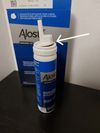
Minoxidil foam absorption concerns, with suggestions to use gloves or apply directly to the scalp to ensure proper absorption. Some users recommend using a scalp massager or switching to liquid minoxidil for better application.
Crushing finasteride pills into stemoxydine may not be effective without removing the coating first. It's unclear if the pills dissolve completely or settle as sediment.
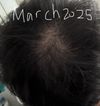
The user shared progress pictures showing significant hair regrowth after three months using 5% foam minoxidil, 0.3% dutasteride, microneedling, pumpkin seed oil, and rosemary oil. The user reported no side effects and chose topical treatments to avoid them.
A user is seeing good results with RU58841 for hair loss, noting reduced shedding and thicker hair. They plan to use pumpkin seed oil as a solvent to avoid water content, which they believe reduces the effectiveness of anti-androgens.
The conversation discusses two hair loss treatments: Minoxidil 5% with Azelaic Acid 1.5% and Dutasteride 0.05% topical foam, and Finasteride 0.1% with Minoxidil 5% topical foam. Users express uncertainty about the effectiveness of topical Dutasteride, while topical Finasteride is generally considered effective.
PP405 shows promise for hair regrowth by manipulating stem cell characteristics and lactate dehydrogenase, with Phase 2a trials pending. Google Ventures' $15M investment suggests confidence, but results and market availability remain uncertain.
PP405 shows promise in hair loss treatment, but stem cell therapy using adipose-derived stem cells and ATP also successfully reversed androgenetic alopecia in mice. Stem cell therapy is costly, and some doubt the effectiveness of PP405 based on press releases.
The user seeks alternatives to Propylene Glycol (PG) for delivering topical finasteride due to scalp irritation. They consider using Propanediol 1,3 and ask for other suggestions.
A fake hair loss product called "PP405" is being humorously discussed, with users joking about its effectiveness and availability on resale websites. The consensus is that it's a scam, with some users sarcastically claiming miraculous results.
A user shared their 4-month progress using 1mg finasteride and minoxidil foam once a day for hair loss. Another user complimented the results and asked about their age.
The user "Segggs" shared their progress with hair loss treatments including 6 months of foam minoxidil, 3 months of finasteride, keto shampoo, and inconsistent microneedling. The replies were positive, with some users commenting on the regrowth in the temple area.
A user shared progress photos showing hair regrowth using 5% minoxidil foam, microneedling, and 2% ketoconazole. They also started taking multivitamins and are considering adding finasteride.
Liquid and foam minoxidil are equally effective for treating hair loss. Liquid minoxidil may be slightly better absorbed due to propylene-glycol, but both forms work well.
The user has been using 5% Minoxidil foam twice daily, microneedling every two weeks, and Nizoral 2% shampoo weekly for hair loss treatment. They've seen improvements in their hairline and eyelashes, and are considering adding finasteride to their regimen.
This user has had success with Minoxidil foam, achieving significant hair growth in three months without using finasteride or derma rolling. They are considering incorporating a DHT reducing strategy such as finasteride in the future.
PP405's effectiveness in increasing hair density is questioned due to a small sample size, despite investment from Google Ventures. Users express skepticism and suggest waiting for more conclusive results.
PP405 is a promising molecule that may reactivate dormant hair follicles, potentially offering a new treatment for hair loss. It is in phase 2 trials, with possible availability between 2027 and 2030.
User sshamu's progress pictures of 4 months using minoxidil foam and 1MM dermarolling for hair loss, which resulted in impressive results. There is also discussion about how often to use the treatments, as well as potential side effects of finasteride.
The conversation discusses using shou wu chih or fo-ti/he shou wu for hair loss, with OP noticing stiffer beard and body hair. A user warns about potential liver damage from fo-ti and questions the effectiveness of alternative medicine.
OP asked if a product from Amazon is sufficient to dilute finasteride. A user advised against using propylene glycol alone, suggesting a pre-made solution instead.
Be cautious when sourcing PP405 or its analogs from third-party suppliers due to potential safety risks and lack of regulatory approval. The conversation highlights concerns about counterfeit products and the absence of reliable testing, making it risky to use such treatments.
A user is seeking feedback on a homemade topical finasteride formula for hair loss, consisting of 7.5 mg of finasteride, propylene glycol, ethanol, and distilled water. They aim to achieve a 0.0125% solution by applying 2 ml daily.
Minoxidil caused side effects like chest pain and tinnitus for the user, leading them to stop using it and consider switching to finasteride with microneedling. Other users shared similar experiences with minoxidil, while some reported no issues, highlighting varied individual reactions.
The conversation discusses the best ethanol and propylene glycol ratio for homemade topical finasteride, with a focus on absorption and drying issues. The user shares their experience using a 50% propylene glycol, 30% ethanol, and 20% water solution, and considers adjusting the ethanol content for better results.
A peptide-based hair loss treatment, PP405, reportedly increased hair density by 62% in 90 days, but these claims are unverified and met with skepticism. Users compared PP405 to Minoxidil and Finasteride, expressing doubts about its effectiveness without more evidence.
He Shou Wu (Fo Ti) extract was found to prolong the hair growth phase, inhibit 5-alpha-reductase (like finasteride), reduce androgen receptors, and increase growth factors, potentially outperforming minoxidil in recovering hair follicle size after DHT exposure. Two compounds, emodin and TSG, are identified as responsible for these effects and warrant further investigation.