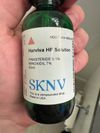
The user asks about the order and compatibility of using topical minoxidil, stemoxydine, The Ordinary natural moisturizing factors + HA for scalp, RU58841, and Nioxin system 2 leave-in treatment. They seek advice on layering these hair loss treatments.
The conversation discusses hair loss treatments including finasteride, minoxidil, derma rolling, and tretinoin, with the user showing progress after five months. Tretinoin is mentioned to enhance the effectiveness of minoxidil.
A person is seeking advice on saving their thinning crown and hairline before their wedding, currently using a topical solution with 0.1% finasteride and 7% minoxidil. They are open to trying oral treatments and are considering using Hims for convenience, with no cost concerns.
The conversation is about using DIY deoxyribose topical and botox injections for hair loss. The user is experimenting with these treatments and believes the science is strong.
The conversation is about improving castor oil absorption for hair loss treatment. The user tried ethanol and sweet almond oil mixtures and plans to try DMSO next.
People with diffuse thinning and retrograde hair loss are discussing treatments like finasteride, minoxidil, and dutasteride, with some reporting improvements and others experiencing issues like scalp inflammation and increased sebum. Suggestions include addressing scalp inflammation, considering gut health, and possibly using topical antiandrogens or micro-needling.
The user is experiencing scalp itching from a PG ethanol base in their hair loss treatment, which includes 0.025% finasteride and 2.5% minoxidil, and is seeking alternatives without PG or ethanol. Suggestions include Zeuss non-PG foam and Ulo, which do not use PG or hydrocortisone.
The conversation discusses using S5 plus cream (Spironolactone, Alfatradiol, and Tempol) as an alternative to finasteride for hair loss, with concerns about its effectiveness and potential systemic absorption. The original poster already uses 5% minoxidil and is seeking alternatives due to fears of finasteride's side effects.
User is experiencing issues with Minoxidil and is considering switching to Redensyl, specifically asking for brand recommendations. The Ordinary - Multi Peptide is mentioned, but the user seeks other brand experiences.
Shiseido's S-DSC hair regenerative treatment in Japan focuses on improving existing hair by thickening miniaturized follicles, not creating new ones. There is limited patient feedback and long-term data available.
Obscure hair loss topicals like Alfatradiol, Fluridil, and Stemoxydine are discussed. They may be considered for those not responding well to common treatments like Minoxidil and Finasteride.
A user applied the 8T3 product for hair loss, targeting LPP and AGA, and plans to update on its effectiveness. The product uses a saline buffered phosphate vehicle, suitable for those intolerant to ethanolic vehicles.
The user is using a hair loss treatment regimen that includes applying various topical solutions and taking oral medication. They are mixing their topical treatments to save time but are concerned about the effectiveness of the treatments when combined and stored.
The conversation discusses the potential of Verteporfin for hair regeneration and improving hair transplant surgery to leave no scars. Specific treatments mentioned include Minoxidil, Finasteride, and RU58841.
The conversation discusses the potential of Sanguisorba Officinalis Root Extract as a treatment for hair loss by inhibiting FGF-5. The user also mentions the product évolis, which is based on this extract but is only available in the US and Australia.
Using a blunt tip syringe for applying hair loss treatments like Minoxidil provides better scalp coverage than droppers. Users discuss the benefits of liquid over foam and share tips for effective application.
A potential alternative to Minoxidil for hair loss is discussed, specifically a sugar hydrogel. Users express skepticism about new treatments becoming reality.
The post and conversation discuss different methods of applying hair loss treatments directly to the scalp. The original poster suggests using a 1ml TB Syringe & Ophthalmic Cannula for precise application, while others share their own methods, including sprays, droppers, and simple syringes.
Exosomes, cetirizine, melatonin, latanoprost, and caffeine are discussed as potential hair loss treatments. There is skepticism about the effectiveness of exosomes, especially in topical form, but some users report positive results.
The conversation discusses the potential of Verteporfin, an FDA-approved drug, for hair loss treatment, particularly in combination with microneedling or PRP. Users express hope and curiosity about its application, while some remain cautious due to the need for more extensive testing.
The conversation discusses hair loss treatments, including finasteride, minoxidil, estradiol, and spironolactone, with a focus on their effects on hair regrowth and gender transition. The original poster shares their personal experience with these treatments, emphasizing that estradiol and spironolactone should not be used by those who want to maintain a masculine appearance.
A user shared their positive experience using a cheap dermastamp from Aliexpress for microneedling, finding it effective and mostly painless. Other users discussed their experiences with similar products, cleaning methods, and needle lengths, with some noting differences in product quality between sellers.
The user is currently using oral finasteride for hair loss and considering adding Eucapil, dutasteride mesotherapy, and microneedling to their treatment regimen. They are seeking alternatives to minoxidil, such as Stemoxydine, due to concerns about minoxidil's side effects.
The conversation is about making a solution of RU58841 using propanediol instead of propylene glycol due to skin irritation. The user seeks advice on whether this substitution is acceptable.