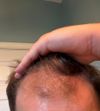
Eating 1g of broccoli seeds five days a week may help with hair regrowth due to their high sulforaphane content. However, caution is advised due to potential health risks from erucic acid in the seeds.
Using a low dose of topical Tamoxifen effectively reduces gynecomastia caused by finasteride, with minimal side effects. The solution involves mixing Tamoxifen with ethanol and propylene glycol, applied daily to the chest.
Serevelle is being considered for hair loss due to menopause, but its effectiveness is unclear. Minoxidil and hormone management are suggested alternatives.
The user stopped using finasteride and tried turmeric, ginger, and perilla extract to reduce hair shedding, noticing a significant decrease in hair loss. They experienced side effects like rashes and easy bleeding from perilla extract and softer feet, possibly from turmeric.
The conversation discusses natural methods for addressing male pattern baldness, with the original poster using a plant-based diet, herbs, scalp massages, pumpkin seed oil, and dermapen treatments, while avoiding pharmaceuticals like minoxidil and finasteride due to concerns about side effects. Other users suggest that pharmaceuticals like finasteride may be necessary for significant hair loss, but the original poster remains committed to natural approaches.
The conversation discusses using supplements like zinc, L-Arginine, and ginseng to counteract finasteride side effects like lower libido and lack of morning erections. Users share their experiences with finasteride, noting varied side effects and the use of additional supplements like ginkgo and fish oil.
The user experienced high liver enzyme levels, possibly due to topical finasteride or supplements, and decided to stop using finasteride while continuing minoxidil. After stopping finasteride and supplements, liver levels returned to normal, suggesting finasteride or supplements might have been the cause.
Hair loss treatments discussed include Fluridil, Minoxidil, Stem, Niz, Viviscal, Broccoli Sprouts, and Derma. One user claims most treatments are ineffective, while another supports Eucapil.
A user reported significant hair improvement using ginseng oil along with Minoxidil, finasteride, RU58841, and microneedling, leading them to cancel a hair transplant. Other users requested more details and proof.
RU58841 powder is mixed with a 70% ethanol and 30% propylene glycol solution, with some users seeking PG-free alternatives. Minoxidil is also mentioned as a treatment option.
The conversation is about finding a legitimate source for Procyanidin B2 or Apple Extract with a clear percentage of Procyanidin B2 for making a topical solution. The user reports thicker and darker body hair after taking Oral Apple Polyphenols extract.
User discusses using finasteride, ketoconazole, fish oil, nettle root, saw palmetto, emu oil, and plans to start minoxidil for hair loss. They report maintaining hair with minor side effects like slightly lower libido and watery semen.
The conversation discusses the completion of a Phase II trial recruitment for Breezula (CB-03-01), a potential treatment for androgenic alopecia. Specific treatments mentioned include Minoxidil, Finasteride, and RU58841.
The user started using Pyrilutamide 5% for hair loss and has not experienced side effects after two days. They previously had side effects from Fluridil and topical Minoxidil 5%, and their hair continued thinning with topical Spironolactone.
A user is considering using a 0.025% topical finasteride solution with DMSO to enhance absorption but is unsure about its effectiveness and safety. Other users express concerns about DMSO's properties and potential effects on the scalp.
Hair loss treatment involves gland treatment with iodine, liver extract, wild American ginseng, and black cohosh, along with crude oil scalp massage. The approach aims to stimulate hormones and improve blood circulation to promote hair growth.
The user has been using finasteride and minoxidil since October 2023 and is concerned if a supplement containing L-arginine, L-citrulline, Tongkat Ali, Tribulus terrestris, Avena Sativa, Gingko Biloba, Ginseng, Pyridoxine, Zinc Gluconate, and Saw Palmetto can cause hair loss. They report thicker and denser hair despite ongoing shedding.
Considering treatments for hair loss, including Minoxidil, Finasteride, RU58841, Fluridil and Pyrilutamide. The user is weighing the risks of taking unapproved medication before it has been mass produced.
The conversation discusses using shou wu chih or fo-ti/he shou wu for hair loss, with OP noticing stiffer beard and body hair. A user warns about potential liver damage from fo-ti and questions the effectiveness of alternative medicine.
The conversation is a satirical discussion about using grapefruit for hair regrowth, with suggestions ranging from injecting it to applying it topically or anally. Some users claim unusual benefits like emitting a green aura or jumping high.
Minoxidil and finasteride are effective for hair loss, but natural oils like pumpkin seed oil and saw palmetto are not proven to be effective. Topical finasteride may be an option for those who cannot tolerate oral finasteride.
Isoflavones from soybeans may help limit estrogen's effects on the body, potentially preventing gyno. However, surgery is the only way to remove gland enlargement.
A female user is seeking a DHT blocker without Selenium or Zinc due to hair breakage and is currently using Saw Palmetto, Nature's Bounty Hair, Skin and Nails, Pumpkin seed oil, Dermastamp, and Pura D'or products. She has tried Minoxidil without success and is considering Finasteride but prefers natural options first.
The user successfully reduced hair loss using pumpkin seed oil, Nizoral shampoo, and astaxanthin without using minoxidil or finasteride. They observed significant improvement over 12 months and believe the combination of treatments is effective.
A 25-year-old is considering using saw palmetto for hair loss due to fear of finasteride side effects but is concerned about its effectiveness and cost compared to finasteride. They are seeking advice on whether saw palmetto has similar side effects to finasteride and if it's truly effective or just a placebo.
The user has been taking oral minoxidil and finasteride for 10 months with no hair growth but no further hair loss. They are considering adding rosemary oil and possibly returning to a topical solution.
Increasing the sult1a1 enzyme on the scalp may improve response to topical minoxidil. The user suggests using a baking soda solution, DMSO, and tretinoin to enhance enzyme activity and minoxidil effectiveness.
The user experiences side effects from minoxidil and is considering alternatives like stemoxydine and adenosine for hair regrowth and density, but finds options like caffeine and various oils unreliable. They are also using a 5AR inhibitor (finasteride).