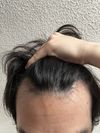
Hair loss discussion involved Finasteride, Minoxidil, and RU58841. User experienced sudden shedding after 1.5 years of Finasteride and Minoxidil use, seeking advice.
A user shared their 10.5-month progress using oral finasteride, topical minoxidil, a derma roller, biotin, and Omega 3, despite losing over 150 hairs daily. They also mentioned starting "bald showers" after leg workouts for the last two months.
Hair loss is distressing, with treatments like finasteride, minoxidil, and spironolactone commonly used despite potential side effects. Emphasis is placed on maintaining mental health and self-worth beyond hair appearance.
A user shared their positive experience with finasteride and a 1000 FUE hair transplant for the frontal region, noting significant improvement in the crown area with medication alone. They emphasized patience with finasteride, as results vary from person to person.
The user has been using finasteride and minoxidil for almost 2 years with maintenance but no significant regrowth. After adding tretinoin 2 weeks ago, they experienced increased shedding and are seeking advice on whether this is a positive sign.
Increasing finasteride dosage can cause significant hairshedding initially. Users suggest adding minoxidil or switching to dutasteride for better results.
The user has been using 1mg finasteride and twice-daily topical minoxidil with tretinoin for a year and has now started taking 2.5 mg oral minoxidil in the mornings while continuing topical minoxidil with tretinoin at night. They are seeking feedback on whether others have experienced hairshedding with this regimen.
The user noticed new dark hairs growing in previously bald areas after using oral finasteride and minoxidil for a month. They are pleased with the progress and find it interesting, even though they are content with a shaved head.
A user shared their experience with hair transplant scab removal, noting that most scabs came off easily without bleeding by using oil and shampoo. They sought advice on whether any hair was lost during the process, and others reassured them that no hair was lost and to trust the healing process.
User reports 2 months progress using daily oral fin 1mg, twice daily topical min 5%, and intermittent dermapen. Others share their experiences, suggesting patience and additional treatments like alternating shampoos, using conditioner, tretinoin, and vitamins.
The user is overjoyed with hair regrowth progress using 1 mg finasteride, 2 ml liquid minoxidil, and ketoconazole shampoo. They applied minoxidil to the affected area without consulting a dermatologist and experienced some shedding for a few days.
A teenager experiencing hair loss is using minoxidil, a derma roller, and plans to add ketoconazole shampoo to their routine. They are advised to continue this regimen consistently for at least six months to see results, with the shedding being a normal part of the process.
Finasteride helped maintain hair density and prevent further hair loss over 4.5 years, with no major side effects except mild gynecomastia. Consistency and regular health checks are recommended, and the user experienced stable hair density with occasional shedding.
The user underwent a biopsy two years ago and was diagnosed with keratosis pilaris, leading to hair issues. They tried treatments including Minoxidil, betamethasone, lymecycline, topical Accutane, and dutasteride, as well as diet changes, without improvement in hair thickness or skin dryness.
The user has been treating their hair loss with oral Minoxidil, Dutasteride twice a week, daily head massages, a mix of essential oils, and one round of Scalp Micropigmentation (SMP). They stopped micro-needling due to hair loss, and are seeking advice on their progress, with responses suggesting continued treatment, potential hair transplant, and resuming micro-needling.
A user experienced worsening hair recession after adding 0.5 mg daily dutasteride to their regimen of topical minoxidil and finasteride, despite no initial shedding. They plan to continue monitoring the situation, as others suggest it may be too early to see results and recommend blood tests to check DHT levels.
The user experienced a sudden decrease in hair density after starting alfatradiol while already using finasteride. Another user mentioned that initial shedding can occur with hair loss treatments, but it may not last long.
The user reported solid results after 5 months of using 1.25mg finasteride daily, with minimal sexual side effects and some hair regrowth at the hairline. They discontinued minoxidil due to its greasy effect on their hair.
A user applied a homemade topical finasteride solution daily for 35 days, reducing hairshedding significantly with minimal side effects. They plan to continue for 90 days and will provide further updates.
User reports using 1.25 mg oral finasteride each morning and 0.75 ml minoxidil topical spray twice a day, along with vitamin D pills. Another user comments on the positive results and asks when finasteride stabilized shedding.
User has been using topical finasteride and minoxidil since May, previously used a spray version since January. They are seeing vellus hairs and have added weekly microneedling to their routine.
The user experienced significant hair regrowth and healthier hair after two months of using oral finasteride, minoxidil, and biotin, despite an initial shedding phase. They reported no negative effects on their beard or facial bloating and were surprised by the quick results.
User started hair loss treatment in November 2020 using Finasteride, Minoxidil, Dermaroller, castor oil, Nizoral, and supplements. They experienced improvements but had a second shed in February and seek feedback on their routine.
A 17-year-old is concerned about hair loss and shares photos for opinions. A user responds that the hair looks normal but is hard to assess from the images.
Switching from finasteride to dutasteride for hair loss can cause increased shedding, which may indicate the treatment is working by replacing old hairs with new ones. The original poster is experiencing aggressive hair thinning despite long-term treatment.
The user experienced hair loss due to a crash diet and later developed scarring hair loss. They are now on finasteride, oral minoxidil, LDN, Zyrtec, and Oztela to reduce scalp inflammation and promote hair regrowth.
Dutasteride and Minoxidil can cause initial hairshedding, which is normal and part of the process. Consistency and patience are crucial, as visible improvements may take over three years.
A 43-year-old experienced hair loss and used Finasteride successfully for 18 years before switching to Dutasteride due to renewed thinning. After 6 months on Dutasteride, they experienced itching and increased hair loss, leading to concerns about prolonged shedding and considering switching back to Finasteride.
A 20-year-old is concerned about hair progress after two months on finasteride and minoxidil. They are advised that initial shedding is normal and real progress may take 6-12 months, with stress possibly affecting results.