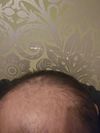
Hair loss treatments like Minoxidil, finasteride, and potential mRNA therapies are discussed. There is skepticism about targeting specific genes due to the complex genetic nature of hair loss.
GT20029 is a new hair loss treatment in Phase 3 trials in China, using PROTAC technology to target androgen receptors, potentially with fewer side effects than finasteride and minoxidil. VDPHL01, a second-generation minoxidil, is also mentioned as potentially more effective.
The conversation discusses the potential of long-chain unsaturated fatty acids, like oleic and linoleic acid, as an additional treatment for hair loss, which may inhibit the enzyme responsible for converting testosterone to DHT and promote hair growth. Users humorously suggest using oils topically and discuss other hair loss treatments, but the main focus is on the science behind fatty acids and their role in hair health.
Rosemary extract showed high inhibitory activity against DHT, similar to finasteride and dutasteride, but the conversation includes skepticism about its effectiveness in humans since the study was done on mice and rosemary oil is often considered ineffective based on personal experiences. Some suggest trying rosemary oil alongside other treatments, while others emphasize the difference between the extract used in the study and the oil.
A user is organizing a group buy for various compounds aimed at reversing hair loss and gray hair, and improving brain health and fat loss. The user has developed a treatment plan based on extensive research and is inviting others to participate, with the option to choose only the compounds they need.
The treatment for androgenetic alopecia involves using finasteride and minoxidil with intense exercise and cold exposure to boost metabolism and reduce androgenic effects, potentially leading to hair regrowth. This approach may activate biological pathways for improved hair and overall health.
The conversation is about using vitamin C and Magnesium L-Threonate for hair growth by reducing DHT binding to dermal papilla cells. The original post about vitamin C's pH levels and sebum control was possibly removed by a moderator.
Hair loss theory involves 3alpha-hydroxysteroid reductase (3AHD) converting DHT to androstenol. Discussion explores potential treatments and encourages more research.
PP405 is a promising new treatment for hair loss that activates dormant stem cells in hair follicles, potentially bypassing the effects of DHT. It is currently in phase 2 trials and could be available between 2027 and 2030, but it is not considered a definitive cure.
PP405 is a promising molecule that may reactivate dormant hair follicles, potentially offering a new treatment for hair loss. It is in phase 2 trials, with possible availability between 2027 and 2030.
Hair loss discussion with a focus on a single resilient hair, jokingly called "chad hair," that remains despite hairline receding. Some users suggest microneedling and hair follicle cloning as potential treatments.
New potential hair loss treatment uses molecules from hairy moles to stimulate follicle growth. Topical solution requires less frequent application, like Botox injections a few times per year.
Topical roflumilast is effective for reducing inflammation in various scalp conditions like seborrheic dermatitis, psoriasis, and eczema, but not proven to stop scarring alopecia. Alternatives like apremilast and Vtama are also discussed for their anti-inflammatory benefits.
PP-405, a potential hair loss treatment, shows promise in stimulating dormant hair follicles and may help with various hair loss types. Current treatments like Minoxidil are still recommended as PP-405 is in early trials and may take years to become available.
Pelage plans to release phase 2 results and start phase 3 trials for PP405 in 2050, but skepticism remains due to past delays and unfulfilled promises. Users express frustration over the lack of progress in hair loss treatments, mentioning Minoxidil, finasteride, RU58841, CB-03-01, and Fluridil.
The conversation discusses hair loss treatments, specifically progesterone therapy with hydrocortisone butyrate, and the use of dutasteride and finasteride. Opinions vary on the effectiveness and side effects of these treatments, with some users advocating for acceptance of balding if treatments are not suitable.
The conversation discusses hair loss treatments, specifically topical dutasteride, minoxidil, and finasteride. Users share experiences and opinions on the effectiveness and side effects of these treatments.
Be cautious when sourcing PP405 or its analogs from third-party suppliers due to potential safety risks and lack of regulatory approval. The conversation highlights concerns about counterfeit products and the absence of reliable testing, making it risky to use such treatments.
Nanoxidil may be more effective than Minoxidil for hair loss due to better follicle penetration, but it lacks widespread recognition and research because it's owned by a small company and classified as a cosmetic. The pharmaceutical system favors Minoxidil due to its established market presence and profitability, leaving Nanoxidil largely unstudied and unknown.
Topical dutasteride is considered for hair loss, but concerns about systemic absorption and side effects like reduced libido are common. Users have mixed results, with some preferring oral finasteride or dutasteride despite side effects, while others find topical treatments beneficial but challenging.
The conversation discusses past and current hair loss treatments, with the user reflecting on expensive peptide treatments like topical Dutasteride, Latanoprost, and others, which were ultimately deemed less effective than oral Dutasteride and Minoxidil. The user now prefers the latter due to their cost-effectiveness and efficacy.
Epristeride is a selective 5 alpha reductase type 2 inhibitor that may reduce scalp DHT similarly to finasteride, with potentially fewer side effects. It is suggested that combining epristeride with finasteride or dutasteride could enhance hair loss treatment effectiveness.
A user shared their 14-month progress using Pyrilutamide and Minoxidil for hair loss, noting improvement and no side effects with these treatments, unlike their negative experiences with Finasteride and RU58841. They emphasized the importance of consistent application for seeing results.
The potential effectiveness of topical dutasteride, as well as other hair loss treatments such as finasteride, RU58841, minoxidil, and various vitamins. Experiences from users who have used these treatments were shared.
A breakthrough in hair follicle cultivation using induced pluripotent stem cells (iPSCs) has been achieved, producing large hair follicles suitable for transplantation. Clinical trials for this hair multiplication technology are planned in partnership with Yinguan Biotechnology.
AMP-303 and AMP-601 are new hair loss treatments targeting dermal papilla cells, with AMP-303 showing early efficacy in transitioning vellus hairs to terminal hairs after one injection. Further clinical trials are planned, and these treatments are seen as promising due to their biologic approach and less frequent application compared to daily treatments.
A 41-year-old South Asian individual feels hopeless about hair loss and cannot use oral finasteride or dutasteride due to existing gynecomastia. They are seeking advice on alternative treatments.
Prolactin and cortisol are identified as key factors in hair loss, with stress hormones impacting hair shedding. Finasteride and minoxidil are effective treatments, while DHT's role and individual sensitivity are significant factors.
Finasteride and minoxidil use resulted in a more youthful appearance and improved skin. There is debate about their effects on collagen and skin aging, with no solid evidence supporting significant changes due to finasteride.
The user shared minimal results from using JXL-069 for hair loss, noting a slight lengthening of vellus hairs and plans to switch to a prodrug variant due to limited effectiveness. They also mentioned using finasteride and minoxidil, which have plateaued in results.