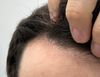
After 5 months using 1mg oral finasteride, 2ml topical minoxidil, 3mg oral minoxidil, biotin, and shampoo with nioxin and nizoral, the individual saw decent hair improvement but is not fully satisfied yet.
A user is upset about hair loss due to seborrheic dermatitis and DUPA, which prevents a hair transplant. They mention using jojoba oil and discuss treatments like Minoxidil, finasteride, and RU58841.
A 33-year-old male experienced sudden, rapid hair loss, possibly due to a reaction to mentholated shampoo and undiluted tea tree oil, with a history of seborrheic dermatitis. He is currently taking finasteride, vitamin D3, a multivitamin, and biotin, and is seeking further medical evaluation.
The user shared progress pictures after four months of using finasteride, minoxidil, a dermaroller, and biotin for hair loss. They discussed their treatment regimen and results.
The user is taking 0.5mg finasteride and 0.5mg Loniten orally daily, using Eucapil twice weekly, and Minoxidil foam once daily for hair loss. They believe Eucapil effectively stops hair loss despite side effects like breast growth.
The conversation discusses using topical finasteride with propylene glycol, which causes scalp dryness or dandruff. The user also uses Nizoral, Nioxin, and DHT oil, and considers using a scalp conditioner to alleviate dryness.
The reduction in scalp oiliness is likely due to finasteride reducing DHT levels and the use of ketoconazole shampoo. The combination of these treatments may have decreased sebum production.
The user shared a two-year update on hair loss treatment using oral minoxidil, finasteride, and microneedling, noting significant progress after starting oral treatments and microneedling. They began treatment in early 2023 after noticing hair loss in late 2021.
The user tried Minoxidil without success, and Finasteride worked but caused sexual side effects even at a very low dose. They are seeking alternative treatments for hair loss as they cannot tolerate anti-androgens and are also in therapy for mental health.
A 23-year-old male experiencing worsening hair loss has tried topical Minoxidil, Finasteride, Progesterone, Hydrocortisone butyrate, and Ketoconazole. He is considering switching to oral Finasteride due to concerns about side effects and lack of improvement.
The user reports that after 4 months of microneedling, 10 months of Minoxidil, 2 years of finasteride, and using ketoconazole 3 times a week, their hair has become less dense in the treated areas. Despite initial shedding and continued treatment, they have not seen improvement and feel their body is resistant to the medications.
The user started using topical latanoprost and dutasteride, experiencing significant hair shedding and scalp itchiness, possibly due to an allergic reaction. They are considering stopping the treatment if the shedding is linked to an allergy.
Finasteride users cannot donate blood due to potential risks to pregnant women, requiring a one-month cessation before donating. Dutasteride requires a six-month deferral, and topical applications are not restricted.
Tadalafil combined with finasteride seems to improve hair condition for the original poster, who has experienced gradual improvement in hair thinning. Other users discuss the effects of tadalafil on blood flow and its potential benefits for hair growth.
Microneedling once a week at 1mm caused bumps, possibly scars, in the treated area. The user is considering cleaning the skin before microneedling to prevent this issue.
The conversation discusses hair loss treatments, specifically Breezula, Minoxidil, finasteride, and RU58841. Participants express curiosity about Breezula's safety and its steroidal nature.
A user is concerned that using rosemary oil after microneedling might cause gynaecomastia due to increased absorption and potential DHT blocking. Other users believe rosemary oil is unlikely to affect hormones or cause gynaecomastia.
User shared 4.5-month hair loss treatment results using Fin, Minoxidil, and microneedling. Others discussed postponing hair transplant and adjusting microneedling depth.
The user reported positive feedback on hair appearance after switching from topical to oral minoxidil and finasteride, with no side effects. The treatment includes 1.1mg finasteride, 3mg minoxidil, biotin, and vitamins B5, B6, and C daily.
The conversation discusses the use of Dutasteride scalp injections (mesotherapy) for hair loss. Users are sharing their experiences and seeking information on its effectiveness.
The user experienced significant hair regrowth after 7 months using oral finasteride, minoxidil, and microneedling. They are considering dutasteride but plan to continue with finasteride for a year before making changes.
The conversation is about someone experiencing hair regrowth using Minoxidil and Dutasteride, along with other treatments. They report their hairline is improving and their forehead appears smaller.
The conversation is about someone experiencing hair thinning at the temples and seeking alternative treatments to Minoxidil due to side effects. They are inquiring about the effectiveness of peppermint oil and dermarolling for hair growth.
The user experienced significant hair regrowth using minoxidil, microneedling, and estrogen, leading to a need to tie their hair back. They attribute the success to estrogen suppressing testosterone, alongside their routine of minoxidil, microneedling, and supplements.