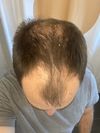
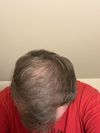
The conversation discusses skepticism about group buys for hair loss treatments, highlighting issues with unverified chemicals and the risks involved. It suggests stabilizing with dutasteride and minoxidil, and considering a hair transplant instead of experimenting with untested products.
The user is experiencing severe hair loss despite using treatments like DUT, oral minoxidil, ketoconazole, RU58841, and vitamins. They plan to buzz their hair due to the ongoing hair fall and its impact on their mental health and self-esteem.
Hopeful treatments for hair loss, including Verteporfin, Androgen Receptor Degradation, and SCUBE3. These treatments offer potential solutions to slow or stop the effects of androgens on the scalp.
Balding can make dating more challenging, especially with superficial attitudes, but confidence and fitness can help. Some embrace shaving their heads, while others focus on self-improvement and acceptance.
A Swiss product called Redensyl, which is supposed to target hair follicle stem cells and has recently been marketed in Europe. The post inquires if anyone has had any experience with the product.
The conversation discusses post-hair transplant care, specifically about removing scabs gently after a week, using Vitamin E oil. The user wonders if using harsher methods like steel wool would affect results, but others reassure that if there was no pain or bleeding, it's likely fine.
A person experienced hair regrowth after reducing testosterone levels and using saw palmetto tincture and Alpecin shampoo. Other users suggested treatments like Nizoral shampoo, Aldactone, and supplements for hair loss.
Some men look better with shaved heads due to facial features and low body fat, while others believe a perfect hairline enhances attractiveness. Treatments like finasteride might be used to maintain a perfect hairline.
A 26-year-old male is documenting his hair regrowth journey using 0.5mg dutasteride and 5mg oral minoxidil, transitioning from 5% topical minoxidil. He reports no significant side effects after one week, except for slight water retention and increased libido.
A user is interested in seeing scalp tattoos as a response to hair loss, specifically looking for creative designs rather than scalp micropigmentation. They are considering this approach for their own Norwood 5 hair loss situation.
The user is experiencing hair loss and is using treatments like finasteride, minoxidil, and hormone replacement therapy (estradiol enanthate injections) to address it. They are advised to be patient with the treatments and consider using a dermapen for microneedling.
The user experienced sensitivity and side effects from finasteride and Saw Palmetto, leading to swollen and sensitive breasts, and decided to stop finasteride after two weeks. They are now trying Saw Palmetto, Biotin, and Ashwagandha, while others in the conversation discuss their own experiences with hair loss treatments like minoxidil and finasteride.
Sodium Laureth Sulfate (SLS) in shampoos and its potential impact on thinning hair. The user follows a regimen of shampoo, keto shampoo, and conditioner, seeking suggestions for better products.
A 49-year-old is using finasteride, minoxidil, tretinoin, and ketoconazole shampoo to combat advanced hair loss and hopes for enough regrowth to consider a hair transplant. Progress is slow, but some improvement is noted by others.
A user's transformation from an accountant to a spartan with a full beard, discussing the potential of DUPA and alopecia areata, as well as treatments like vitamins, topicals, and natural treatments for potential regrowth.
A 27-year-old experienced significant hair regrowth after a hair transplant with 4349 grafts, supported by minoxidil and finasteride, improving his confidence. He plans to update on further progress at 9–12 months.
The user recovered from Post-Finasteride Syndrome (PFS) using a specific hormone protocol after trying finasteride and dutasteride. They now help others with PFS by reviewing blood work and offering personalized advice.
A 39-year-old is starting a hair loss treatment with 1.25mg finasteride and 2.5mg oral minoxidil twice daily, sharing baseline pictures and hoping for significant results. Progress updates will follow.
A 7-month progress report of using finasteride and minoxidil, as well as keto dieting and derma stamping; the discussion also touched on RU58841 and its potential side effects.
After 2 months of using Minoxidil and finasteride, OP noticed fuller hair, confirmed by their wife's observation. OP is pleased with the progress, though the change isn't drastic.
The conversation is about a user's hair transformation using a routine that included dermastamping, minoxidil, finasteride, ketoconazole, and rosemary oil. The user later stopped using minoxidil and rosemary oil due to greasiness, continuing with finasteride, dermastamping, and ketoconazole.
The conversation discusses hair loss treatments, including finasteride, minoxidil, estradiol, and spironolactone, with a focus on their effects on hair regrowth and gender transition. The original poster shares their personal experience with these treatments, emphasizing that estradiol and spironolactone should not be used by those who want to maintain a masculine appearance.
A user humorously questions if they should shave their head due to hair loss, mentioning Ronald Reagan's impressive hair genetics. Replies include jokes and comments about jealousy and distrust towards older individuals with full heads of hair.
The conversation discusses a user's unconventional hair loss treatment involving scalp massage, dermastamping, and pouring hot water to induce a burning sensation, with a warning not to try it without further evidence. Other users suggest more traditional treatments like Minoxidil and finasteride, while expressing skepticism and concern about the hot water method.
The conversation discusses a user's impressive hair regrowth progress over 17 months using a topical minoxidil and finasteride spray from HIMS, with suggestions to add microneedling for better results. Some users express skepticism about the authenticity of the results, while others inquire about side effects and application methods.
![M26 Regrowth Journal [0.5mg dut + 5mg oral minoxidil]](/images/assets/08be6f74-78ff-4abd-86db-488d3602c9f7/small/18396.jpg)