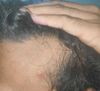
A 33-year-old man experienced diffuse thinning and hair shedding due to sleep deprivation and low testosterone. After starting hCG treatment, he noticed hair regrowth on his temples.
The conversation discusses why DHT (dihydrotestosterone) negatively affects scalp hair but promotes growth elsewhere on the body. Various opinions include genetic predispositions, differences in hair follicle reactions to DHT, and the potential role of Omega-3 in reducing inflammation and promoting hair health.
The conversation discusses hair loss treatments, including finasteride, minoxidil, estradiol, and spironolactone, with a focus on their effects on hair regrowth and gender transition. The original poster shares their personal experience with these treatments, emphasizing that estradiol and spironolactone should not be used by those who want to maintain a masculine appearance.
The conversation discusses hair loss, scalp buildup, and treatments like Nizoral shampoo, Minoxidil, and dietary changes to address seborrheic dermatitis and iron deficiency. The user plans to improve their hair condition with a good routine, Nizoral, and diet adjustments.
The user experienced severe scalp itching and hair loss while on dutasteride, which they linked to caffeine and masturbation. They plan to cut out both to see if their hair density improves.
The user changed their hair loss treatment in October/November, experienced increased shedding, and now sees no new hair growth, with a worsening condition and a possible bald spot. They also have severe seborrheic dermatitis, which may be affecting their scalp and hair loss.
High estradiol levels may contribute to erectile dysfunction (ED) and can be addressed with lifestyle changes or medication. It's important to consult a medical professional for treatment options.
Pelage executives' hairlines were discussed, with speculation about them using PP405 for hair regrowth. Concerns were raised about using untested drugs, with some suggesting executives might not risk using them without safety data.
Bicalutamide and spironolactone are being compared for their effectiveness and safety in treating female pattern hair loss. The conversation seeks advice on which is better to use.
The Derma Harmony Sulfur/Salicylic acid soap bar shampoo caused significant hair shedding, oily scalp, and cystic acne. The user experienced better results with rosemary shampoo.
Fatty liver and related issues may influence hair loss conditions like Dupa/Aga. Treatments discussed include Minoxidil, finasteride, RU58841, myo-inositol, and L-glutamine.
Hair loss treatments, specifically 5AR inhibitors, can impact neurosteroids and sexual health. The effects of topical fin/dut on tissue-specific DHT levels are unclear.
A woman with androgenic alopecia has been using birth control, spironolactone, finasteride, and oral minoxidil for hair loss. She sought to change her medications to dutasteride and bicalutamide, but her new dermatologist refused to prescribe them for off-label use.
User experienced scarring from microneedling at fast speed and paused treatment for 3-4 weeks to recover. Advice given includes waiting a full month for recovery to avoid scars.
Transplanting mice skin to humans is not feasible due to immune rejection, but some suggest genetic modification or immune suppression could make it possible. Xenograft hair transplants are discouraged.
A user in their early 20s is concerned about minor hair thinning and is considering a hair loss regimen involving PRP sessions, mesotherapy with dutasteride injections, and low-dose finasteride. They dislike minoxidil due to its greasiness and prefer a routine that is easy to maintain.
Pyrilutamide did not show effectiveness in regrowing hair compared to a placebo, but it may still help maintain existing hair by preventing DHT from causing follicle miniaturization. Some users believe it could be beneficial when used with other treatments like minoxidil, finasteride, and dutasteride.
A user humorously discusses hair loss, using treatments like Dutasteride, Finasteride, Minoxidil, and RU58841, and jokingly considers satanic rituals as a solution. The conversation includes satirical responses about trading one's soul for hair.
Adipose-derived stem cell secretome showed significant improvement in hair density and growth, especially when combined with minoxidil, suggesting a synergistic effect. The study had limitations, including a small sample size and potential bias.
AH-001 is a new topical treatment designed to degrade androgen receptors, targeting the root cause of androgenetic alopecia without the side effects of oral treatments like finasteride. It has shown a strong safety profile and good local tolerability in early trials.
A user improved their hair health by taking 50,000 IU of vitamin D3 weekly due to a deficiency. Others discussed the potential link between vitamin D and hair growth, with some sharing similar experiences and emphasizing the importance of monitoring vitamin D levels and consulting with doctors.
A 28-year-old male noticed hair thinning and is considering treatments like minoxidil and finasteride but is concerned about finasteride's potential effects on epilepsy. He has tried microneedling, tretinoin, and minoxidil with slight improvement.
RU58841's side effects may be exaggerated due to anxiety, with some users experiencing no issues and others reporting symptoms like chest pain. RU58841, minoxidil, and finasteride are used for hair loss treatment, with varying individual reactions.
Stemson Therapeutics announced a breakthrough in hair growth technology using stem cells. Users discussed the potential high cost and skepticism about the treatment's accessibility.
The conversation is about the difficulty in obtaining GT20029, a hair loss treatment, due to patent issues and the need to resort to group buys or Chinese labs for acquisition. Specific treatments mentioned include Minoxidil, finasteride, and RU58841.
A 22-year-old male has been using finasteride for 4 months without major side effects but is concerned about hormone test results showing low SHBG and high estrogen. He plans to consult a doctor and is considering alternatives like minoxidil or topical finasteride to avoid health issues.
The user plans to test for DHT, total testosterone, free testosterone, E2, SHBG, and prolactin while supplementing with vitamin D and monitoring ferritin levels. They are experiencing hairline thinning and are seeking advice on whether their approach is excessive or lacking.