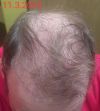
A user stopped finasteride after 15 years due to severe side effects, which improved after quitting. They maintained most of their hair and are considering alternatives like topical treatments or RU58841.
Users discussed their experiences with hair loss treatments, primarily finasteride (Fin) and dutasteride (Dut), often combined with minoxidil (Min) and derma rolling. Many reported mixed results, with some seeing slowed hair loss and others experiencing side effects or minimal improvement.
Tretinoin can cause non-telogen hair loss in some men by inducing catagen-like changes in hair follicles and through retinoid toxicity, especially when used with minoxidil. Some users report hair loss even when using retinoids on the face, while others experience benefits when combined with treatments like finasteride and minoxidil.
Oral minoxidil can increase body hair growth, but effects differ among individuals. Some recommend topical minoxidil to prevent unwanted body hair while preserving scalp hair.
A 22-year-old is experiencing aggressive hair loss despite using minoxidil and finasteride and is considering a hair transplant but lacks funds. The discussion includes advice on treatments like dutasteride, microneedling, and lifestyle changes, with mixed opinions on the timing and effectiveness of a transplant at a young age.
Baldness is not an evolutionary disadvantage because it occurs after reproductive age. Treatments like Minoxidil and Finasteride are used for androgenetic alopecia but don't address the root cause.
The user replaced finasteride with saw palmetto due to availability issues and experienced side effects, leading to adjustments in their regimen. They use saw palmetto, minoxidil, Nizoral, and a dermaroller, reporting reduced side effects and some benefits, with hair fall ranging from 5 to 20 hairs daily.
Finasteride is seen as risky for men due to side effects like erectile dysfunction, while hormonal birth control for women is normalized despite its side effects. The discussion points out a double standard influenced by societal and gender norms.
A user is worried about hair loss despite using finasteride, oral minoxidil, and keto shampoo for two years and is considering switching to dutasteride. Responses suggest patience, lifestyle changes, or trying additional treatments like microneedling.
Finasteride can cause sexual side effects like reduced libido and weaker erections, but experiences vary. Some users switch to dutasteride or topical treatments, while others stop finasteride to restore normal sexual function.
Significant hair regrowth was achieved using finasteride and 2.5mg oral minoxidil over a year, despite initial shedding. The treatment is recommended, though it may cause increased heart rate and body hair growth.
A college student is embarrassed after their roommate found and mocked their hair loss medications, including Minoxidil and finasteride. The student is advised to report the privacy violation and consider finding a new roommate.
Hair loss treatments like finasteride, minoxidil, and hair transplants are more accessible and effective now. Concerns about side effects and skepticism about new treatments like hair cloning and GT20029 remain.
The user is experiencing positive hair regrowth after two months of using oral finasteride (0.5 mg) and minoxidil (2.5 mg) and is considering a hair transplant. They are seeking advice on surgeons closer to the U.S. and discussing potential side effects and alternative treatments.
The user has been using finasteride for 10 months with no significant regrowth but no further hair loss and is considering adding oral minoxidil despite concerns about side effects. Other users suggest combining finasteride with minoxidil for better results, as finasteride prevents further hair loss while minoxidil aids regrowth.
Hair loss is a common issue, with treatments like finasteride and minoxidil used but not as permanent cures. Frustration exists over societal perceptions and the lack of a definitive solution.
Stopping finasteride often restores sexual function, with many experiencing improved libido and erections. Some users switch to minoxidil or topical finasteride to manage side effects while maintaining hair health.
Minoxidil gains are not permanent without continued use, even with DHT suppression. Combining treatments like Dutasteride, Finasteride, and RU58841 may help maintain hair, but stopping Minoxidil typically results in hair loss.
Topical finasteride is less popular due to inconvenience, cost, and availability, while oral finasteride is favored for ease and safety. Some users experience side effects with topical use, but find it effective with minoxidil, though opinions on its efficacy vary.
Creatine may increase DHT levels, potentially causing symptoms like acne, oily hair, and hair shedding. Users report mixed experiences, with some avoiding creatine due to hair loss concerns and others seeing no impact.
The user experienced significant hair recovery after 14 months using oral Propecia (finasteride) 1 mg daily and oral minoxidil, and recently added topical minoxidil and topical Propecia to their regimen. The doctor recommended this combination to maximize results, and the user reported no side effects, noticing improvements by the third month.
A person in their 20s is struggling with hair loss, using treatments like minoxidil and finasteride. Suggestions include self-improvement, therapy, hair transplants, and focusing on acceptance and confidence.
People regret neglecting their hair until it started thinning, and they are now using treatments like finasteride, minoxidil, and microneedling. Some are considering stronger options like dutasteride due to mixed results.
Key treatments for hair preservation include minoxidil, finasteride/dutasteride, and microneedling, with additional options like specific shampoos, oils, biotin, zinc, tretinoin, clascoterone, and low-level laser therapy. Maintaining a healthy lifestyle, reducing stress, and addressing nutrient deficiencies can also support hair health.
A user shared their 3-year progress using 1mg finasteride and 5% topical minoxidil twice daily, reporting significant hair regrowth and some side effects like bloating, seborrheic dermatitis, and water retention. The user is happy with the results, noting improvements in both the crown and hairline.
The conversation is about hair loss treatments, with users recommending finasteride and minoxidil as effective solutions. Some users report side effects, but overall, the consensus is to use these treatments rather than waiting for a cure.
An 18-year-old using Minoxidil 2% for hair loss is considering adding dermarolling to their routine. Replies suggest adding finasteride, using a dermastamp, and microneedling, with positive experiences shared.
A user shared their positive experience of embracing baldness after years of trying treatments like Minoxidil and finasteride. They found happiness and confidence by shaving their head, despite some social challenges, and encouraged others to focus on their attitude and seek therapy if needed.
A user in Turkey was advised by a dermatologist to avoid finasteride due to its hormonal effects and was prescribed minoxidil, shampoo, and vitamins instead. The user is considering seeking another doctor's opinion or buying finasteride directly from a pharmacy.