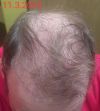
DUPA and retrograde alopecia may not be solely DHT-based, and a biopsy is crucial for accurate diagnosis and treatment. Treatments mentioned include dutasteride, oral minoxidil, pioglitazone, clobetasol, calcipotriol, ketoconazole, and doxycycline, depending on the specific condition.
A 20-year-old experiencing hair shedding after starting oral finasteride is advised to continue treatment and consider adding topical minoxidil. Shedding is normal, and patience is needed for hair regrowth.
Finasteride and minoxidil are discussed as hair loss treatments, with mixed opinions on side effects like sexual dysfunction and mood changes. Some users report positive results, while others express concerns about potential risks and insufficient information.
Exercise has minimal impact on hair loss, with weight lifting slightly increasing DHT and cardio potentially decreasing it. Finasteride and dutasteride are effective treatments for managing hair loss, even for those who exercise regularly.
Some men have strong balding genetics that treatments like Dutasteride, Minoxidil, or Finasteride may not fully address. Early intervention is believed to help, but many accept hair loss without treatment.
Finasteride improved hair appearance over seven years with no major side effects. Users discussed finasteride, minoxidil, and supplements like beta carotene and astaxanthin for hair loss treatment.
Hair loss treatments like finasteride, minoxidil, and RU58841 are becoming more known, but many remain unaware of their effectiveness. There is hope for future advancements despite skepticism and misconceptions about current treatments.
Switching from finasteride to dutasteride for hair loss yields mixed results, with some users experiencing improvements and others facing worsening conditions or side effects like shedding. Patience is advised as dutasteride may take longer to show results, and combining treatments is suggested by some users.
PP405 shows promise for reactivating hair follicles, with potential maintenance using 5AR inhibitors. Current treatments like Minoxidil and finasteride are effective but have limitations, and there is hope for more effective solutions in the future.
GT20029 and KX826 are promising hair loss treatments, with GT20029 increasing hair count and KX826 showing significant results. KX826 may be a good alternative for those who can't use finasteride or dutasteride, though results vary.
PP405 is a new topical treatment for hair loss, showing promise in trials but still requires finasteride for maintenance. There is skepticism about its effectiveness and safety, with concerns about needing finasteride to maintain results.
Athletes often use finasteride to maintain hair transplants, but some avoid it due to potential hormonal effects. Notable examples include Mo Salah and Conor McGregor, while LeBron James has had multiple procedures with varying success.
Hair loss treatments like finasteride, minoxidil, and dutasteride work but have side effects. A permanent cure is still not available due to the complexity of hair loss and limited investment.
Many are unaware of effective male pattern baldness treatments like finasteride and minoxidil, often opting for ineffective remedies. Educating others on proven treatments and potential side effects is crucial.
Checking vitamin and hormone levels is important for addressing hair loss, as deficiencies in vitamin D, zinc, and iron can affect hair growth. Treatments like finasteride, minoxidil, and vitamin supplements are used, but addressing deficiencies is crucial for effectiveness.
A method for treating androgenic alopecia using minoxidil, antiandrogens, exercise, and cold exposure to promote hair growth. Environmental factors and lifestyle changes, like diet and exercise, can improve treatment effectiveness.
Dutasteride at 2.5mg is considered a potential hair loss cure due to its DHT-blocking ability, but there are concerns about side effects and individual responses. Minoxidil, finasteride, and RU58841 are also discussed, with mixed opinions on their effectiveness and safety.
A Dutasteride Simulator predicts serum dutasteride, serum DHT, and scalp DHT levels using models from research papers. It simulates various dosing schedules to determine steady-state effects and visualizes outcomes, including hair growth-related scalp DHT suppression.
Low-dose oral minoxidil is used for hair loss and does not significantly affect blood pressure but may increase heart rate and cause hypotensive symptoms. Some users experience side effects like palpitations and shortness of breath, while others find it effective; topical minoxidil with tretinoin is also considered.
A user plans to stop Dutasteride to conceive a child, seeking advice on hair maintenance. Suggestions include switching to Finasteride, but many emphasize prioritizing child safety.
After years of using dutasteride and oral minoxidil without success, the individual decided to shave their head and stop treatment. They considered scalp micropigmentation and hair systems but ultimately accepted their hair loss.
Topical finasteride is less popular due to inconvenience, cost, and availability, while oral finasteride is favored for ease and safety. Some users experience side effects with topical use, but find it effective with minoxidil, though opinions on its efficacy vary.
A user tried various hair growth treatments, including drinking topical minoxidil, using oral minoxidil and finasteride, and applying GHK-Cu, growth hormone peptides, and liposomal sulforaphane. They experienced thicker hair, while others discussed the risks and benefits of these methods.
The user shaved their head and is using finasteride and minoxidil for hair loss, expressing confidence in the process despite challenges. They are considering additional treatments like microneedling and are open to trying different looks, including facial hair growth.
A person in their 20s is struggling with hair loss, using treatments like minoxidil and finasteride. Suggestions include self-improvement, therapy, hair transplants, and focusing on acceptance and confidence.
Androgenetic alopecia is caused by DHT affecting hair growth. Finasteride and minoxidil are used to manage hair loss by blocking DHT and promoting hair growth.
Finasteride can aid hair regrowth but may cause side effects like depression and sexual dysfunction. Users discuss experiences with finasteride, minoxidil, and RU58841, highlighting varied responses and the importance of informed treatment choices.
The user saw no hair regrowth after six months using minoxidil, daily dermarolling, and vitamin D3. Many suggest adding finasteride or dutasteride for better results.
CRISPR shows promise for treating hair loss by targeting specific genes. Current treatments include Minoxidil and finasteride, but CRISPR could offer a more precise solution, though it is still expensive and in early stages.