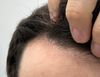
The user experienced severe hair loss, itchy scalp, and skinissues after trying no-shampoo, and wonders if it's male pattern baldness or an immune issue. They have a history of eczema, dermatitis, and jock itch, and have tried various treatments like coconut oil, peppermint, pumpkin seed, and onion.
Lowering DHT can improve skin quality and reduce scalp issues. Finasteride is effective for hair regrowth and improving skin texture, while dutasteride may increase oiliness and shedding for some users.
Switching finasteride brands from Teva to Proscar led to hair and skinissues, suggesting possible differences in effectiveness or quality. Users recommend returning to the original brand that worked well.
The user underwent a biopsy two years ago and was diagnosed with keratosis pilaris, leading to hair issues. They tried treatments including Minoxidil, betamethasone, lymecycline, topical Accutane, and dutasteride, as well as diet changes, without improvement in hair thickness or skin dryness.
The user is using a topical routine of finasteride and minoxidil, noticing increased hair growth, and is considering adding tretinoin for skinissues. Tretinoin may enhance minoxidil's effectiveness, but care should be taken to allow proper absorption to avoid unintended facial hair growth.
Use retin-a cream and maintain a good skincare routine to counteract skinissues caused by topical minoxidil. Taking sublingual minoxidil can also be beneficial.
A user experienced skin irritation and acne while using Minoxidil foam, but after stopping both the foam and a sea salt spray, their skin improved. They plan to try oral Minoxidil, suspecting the sea salt spray, not Minoxidil, was the main cause of their skinissues.
Adding creatine while using finasteride and minoxidil caused skin irritation and hair thinning. Creatine may affect DHT levels, leading to these issues.
The user experienced persistent acne and skinissues with dutasteride, leading them to stop its use. They switched to finasteride, which caused mild acne and potential liver concerns, prompting consideration of alternative treatments like topical finasteride and GHK-Cu.
Minoxidil can cause dark circles and skinissues, and users suggest reducing dosage or switching to foam. Supplements like vitamin C, glycine, and MSM may help with collagen production to reduce these side effects.
Topical minoxidil may cause skin aging effects like wrinkles and dark circles, possibly due to its alcohol content, while oral finasteride is reported to make users look younger. Switching to oral minoxidil or using moisturizers might help reduce these skinissues.
The conversation discusses using isotretinoin (Accutane) to reduce scalp oiliness and manage scalp issues like seborrheic dermatitis, inflammation, and chronic itch. A user shares that taking 20mg of Accutane every other day effectively reduces oily hair and skin.
Switching from topical to oral minoxidil resolved issues like watery eyes and ear itchiness. Users report oral minoxidil is better for sensitive skin, though some are concerned about side effects like hair growth everywhere.
The user experienced positive hair growth with finasteride but developed gut issues, dry skin, thinning eyebrows, fatigue, low libido, and erection difficulties after stopping it. They are seeking advice on whether to resume finasteride or stay off it to recover.
The user is seeking an alternative solvent for pyrilutamide due to skin irritation from ethanol and propylene glycol. They experienced similar issues with topical minoxidil.
Tretinoin can irritate seborrheic dermatitis, but using it with a moisturizer on calm skin may help. Parallel Health's skin microbiome testing and phage therapy are suggested for persistent issues.
The conversation discusses using 5% foam minoxidil for hair loss and the timing of moisturizing afterward. Users share experiences, with some suggesting moisturizing before application and others recommending alternatives like Nizoral shampoo for dry skinissues.
Steve Carell's hair transformation from Season 1 to Season 7 of "The Office" is attributed to a possible hair transplant and changes in styling. Discussions also mention the use of treatments like Propecia and Accutane for skin and hair issues.
Topical dutasteride 0.05% is reported to outperform oral finasteride with minimal side effects, but concerns about study bias exist due to company funding. Some users report mixed results with topical dutasteride, noting issues with skin penetration and systemic absorption.
The conversation discusses changes in scalp texture and appearance in areas of hair loss, with concerns about the suitability of these areas for hair transplants. Users mention issues like fibrosis, inflammation, and thinner skin, advising caution and consultation with clinics before proceeding with transplants.
Dutasteride improved the user's hair thickness and health, slowed body and facial hair growth, and enhanced skin condition. The user also reported feeling energetic with a slight decrease in libido but no issues with sexual function.
User made progress with hair loss using Fin, Min, and microneedling. Experienced side effects like improved skin, brain fog, and memory issues, but adjusting Fin dosage helped.
Oral minoxidil may improve hair growth, reduce arterial stiffness, and prevent other health issues. Some users believe it is an effective treatment despite concerns about its effects on skin and blood.
Microneedling once a week at 1mm caused bumps, possibly scars, in the treated area. The user is considering cleaning the skin before microneedling to prevent this issue.
The user has been using finasteride successfully to stop hair shedding and is considering using topical minoxidil for regrowth but is concerned about being a non-responder and potential negative effects. They are cautious about using oral minoxidil due to past heart issues and are exploring other methods like tretinoin cream and dermarolling, though they worry about possible skin damage.
The user experienced significant hair loss on the scalp, eyebrows, eyelashes, and pubic area, along with itchy, flaky skin and red patches. They have a history of eczema and dermatitis and suspect that stopping shampoo use and taking Ritalin may have contributed to the issue.
A 29-year-old male on 1 mg Finasteride for 3 months has experienced a significant increase in testosterone and estradiol levels, with no major side effects except slightly oilier skin and increased emotional sensitivity. The user is concerned about these hormonal changes and seeks advice, as their general practitioner is not knowledgeable about the issue.
Some users experienced side effects like low libido and erectile dysfunction with finasteride but found relief and hair regrowth with dutasteride. Others reported no issues with either drug, while some preferred dutasteride for long-term hair maintenance.
User experienced severe allergic reactions and liver issues after a hair transplant, likely due to antibiotics and medications. Despite trying Minoxidil, the user faced further complications and is now seeking medical advice for potential future transplants.