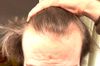
Mixing ground finasteride pills with Minoxidil for topical use, with concerns about effectiveness and sideeffects. Users suggest using professionally formulated topical finasteride instead.
The user used minoxidil 5% and finasteride 0.1% for six months, along with a dermaroller and Nizoral shampoo, experiencing only dry scalp as a sideeffect. They are pleased with the results.
Someone's brother tried Platelet-rich plasma (PRP) for hair loss; it had minimal effect on hair but improved skin appearance. Microneedling at home was suggested as a more sustainable alternative.
Microneedling does not prevent future hair transplants, but some surgeons report the skin becomes "harder" in treated areas. There is no clear evidence to confirm this effect.
Switching from finasteride and minoxidil to a higher dose of dutasteride for hair loss is debated due to potential sideeffects. Many suggest starting with lower doses or sticking to finasteride if effective.
The user achieved significant hair regrowth using oral finasteride for 2 years, then switched to topical minoxidil with rosemary oil and biotin oil. They reported no sideeffects and found topical minoxidil more effective than oral minoxidil.
A user shared their 1.5-year progress after a FUE crown transplant, using dutasteride and oral minoxidil, which improved their hairline and stabilized hair loss. They experienced dizziness from topical minoxidil but had no sideeffects from finasteride, dutasteride, or oral minoxidil.
Rejuv-3X, a topical blend with GHK-Cu, AHK-Cu, and JXL-089, is used for hair loss, offering a targeted option without finasteride's sideeffects. The user plans to combine it with microneedling for enhanced results.
Finasteride and minoxidil are commonly recommended by hair transplant clinics, including those in Turkey, despite some negative perceptions and concerns about sideeffects. The conversation highlights differing opinions on the effectiveness and safety of these treatments, with some users expressing skepticism about sideeffects and others emphasizing the importance of these medications for successful hair transplants.
The user experienced significant hair regrowth using 0.5mg dutasteride and 5mg oral minoxidil, with fewer sideeffects compared to finasteride. They noticed improvements in hair thickness and hairline, despite intermittent use of performance-enhancing substances.
The user is using topical Minoxidil 5% and Finasteride 0.1% for hair loss and is concerned about potential sideeffects of oral treatments due to a history of depression and testosterone replacement therapy. Other users suggest that oral Finasteride may be more effective, but results typically take several months to a year to become noticeable.
GT20029 is a new hair loss treatment in Phase 3 trials in China, using PROTAC technology to target androgen receptors, potentially with fewer sideeffects than finasteride and minoxidil. VDPHL01, a second-generation minoxidil, is also mentioned as potentially more effective.
The user is considering starting oral Minoxidil at 2.5 mg to regrow hair, despite already using Finasteride, and is concerned about the cost, sideeffects, and prescription difficulties. They question if the potential hair gains would be noticeable given their current hairstyle.
KX-826 is undergoing trials for hair loss treatment, showing similar effectiveness between 0.5% and 1.0% dosages, with mild sideeffects compared to finasteride. Users discuss combining KX-826 with other treatments like minoxidil and clascoterone for better results.
Oral minoxidil and creatine can be used together, but it's advised to start one at a time to monitor sideeffects. Creatine may increase DHT levels, potentially causing more hair shedding, while minoxidil can lower blood pressure, so hydration and monitoring for dizziness are important.
Successful hair regrowth after six months using finasteride and topical minoxidil, with minimal sideeffects like anxiety. Finasteride was the main treatment, and minoxidil supported regrowth.
The conversation is about hair regrowth using topical minoxidil, microneedling, and vitamin supplements. The user is hesitant to use DHT blockers like finasteride due to concerns about hormonal sideeffects.
Using estrogen for hair regrowth is considered ineffective and risky, with potential sideeffects like breast growth and hormonal changes. Alternatives like finasteride, dutasteride, and minoxidil are suggested, but estrogen is not recommended unless transitioning.
A 27-year-old male started using finasteride in February 2023 for hair loss, experiencing significant progress with no sideeffects. He is considering adding oral minoxidil or getting a hair transplant, but is concerned about the cost in the Netherlands.
The user discusses their hair regrowth success with minoxidil, red light therapy, massage, and derma stamping but expresses concerns about using finasteride due to potential sideeffects. They are interested in using clascoterone as a topical treatment for hair loss and are exploring the possibility of creating a topical formula from raw clascoterone powder.
Long-term finasteride use typically slows hair loss, with some users experiencing sideeffects like sexual dysfunction and depression. Many users also use minoxidil and dutasteride for improved results, though individual responses vary.
DHT blockers like finasteride are not recommended for teenagers due to potential impacts on sexual development, though some users report no sideeffects. It's generally advised to wait until at least 18 and consult a doctor.
A 17-year-old is using Finasteride and Minoxidil for hair loss, experiencing hair shedding and cystic acne. They are considering Dutasteride for acne but are concerned about potential sideeffects on genital development.
A user experienced positive hair regrowth after 9 months using Dutasteride (0.5mg daily) and oral Minoxidil (2.5mg daily) without sideeffects and plans a hair transplant. They noted the cost-effectiveness of oral Minoxidil and discussed hair loss treatments, including Finasteride.
The user has been using oral minoxidil (5mg) and oral finasteride (1.25mg) for 9 months and is considering switching to dutasteride due to concerns about hair shedding. They report no sideeffects from the current treatment.
The user experienced hair regrowth using topical minoxidil and finasteride, and later added oral finasteride for maintenance. They reported no sideeffects and found a specific shampoo helpful for scalp issues.
Finasteride and minoxidil use resulted in a more youthful appearance and improved skin. There is debate about their effects on collagen and skin aging, with no solid evidence supporting significant changes due to finasteride.
The user is using oral minoxidil, ghk-cu, and HGH for hair regrowth, noticing small vellus hairs on the crown. They avoid traditional DHT blockers like finasteride due to sideeffects, despite skepticism from others about the effectiveness of ghk-cu.
The conversation discusses a user experimenting with RU58841 for hair regrowth by ingesting it, which others find concerning. There are mentions of potential sideeffects and comparisons to other treatments like minoxidil, finasteride, and flutamide.
Finasteride and dutasteride can prevent hair loss if used early, but they may cause sideeffects. Many men shave their heads because they are unaware of these treatments or avoid them due to sideeffects or cost.