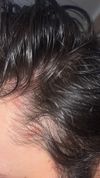
Microneedling does not prevent future hair transplants, but some surgeons report the skin becomes "harder" in treated areas. There is no clear evidence to confirm this effect.
User shared successful hair regrowth results using Minoxidil and Microneedling with a Dr. Pen M8 model. Discussed routine, needle depth, and frequency for optimal results.
Microneedling with minoxidil and finasteride greatly improves hair regrowth. Using 0.5mm depth every other day boosts minoxidil absorption without side effects.
Microneedling combined with 5% Minoxidil and finasteride significantly improves hair growth compared to using Minoxidil or Minoxidil with finasteride alone. The combination treatment is safe and effective, but further research is needed due to small sample size and short study duration.
User has seen no improvement after 4 years of using minoxidil and finasteride, and recently started dutasteride. Suggestions include adding oral minoxidil, microneedling, and considering a hair transplant.
Scalp tension from the occipitalis muscle is theorized to contribute to hair loss, but most believe DHT and genetics are the main causes. Treatments like finasteride and minoxidil are considered more effective than addressing scalp tension.
People regret neglecting their hair until it started thinning, and they are now using treatments like finasteride, minoxidil, and microneedling. Some are considering stronger options like dutasteride due to mixed results.
The user believes neck tension and poor posture contribute to hair loss, noticing improvements with yoga and muscle relaxation. Replies suggest androgenic alopecia as the cause and recommend exercises.
Hair loss and potential treatments, primarily focusing on Finasteride and Minoxidil. Other solutions discussed include PRP, dermarolling, LLP, and scalp tension relief.
A user's experience with hair loss treatments, including Finasteride, Minoxidil, Nizoral Shampoo, Rosemary Oil, Vitamin D, Biotin, Vitamin C, Zinc and Dermarolling, that have not been successful over the past 14 months. Other users gave advice on how to cope with the issue, such as exercising, changing mindset, and shaving their head.
Using a combination of topical minoxidil and finasteride, plus microneedling, to treat hair loss; the progress made by the original poster over 6 months; the potential for further results with longer use; and the possibility of seeking alternatives such as a hair transplant or system.
A user shared their experience with hair regrowth using supplements like NAC and DIM, and briefly using minoxidil with microneedling. They reported some improvement in hair density, but the community questioned the effectiveness compared to traditional treatments like finasteride.
Researching the effects of scalp trauma on hair growth, with some users suggesting experimenting with a soldering iron or derma pen, and others bringing up studies that suggest this may be an effective treatment.
The conversation discusses the use of low-dose oral minoxidil for hair loss and its potential effects on skin aging. Users shared experiences, with some noting side effects like puffy eyelids and dark circles, but no conclusive evidence of significant collagen depletion or increased wrinkles.
The user is experiencing scalp irritation and hair thinning, possibly due to stress, with red patches on the face and dry skin. They are considering seeing a dermatologist and have used tea tree and rosemary oil.
A 19-year-old is experiencing early hair loss, possibly due to oily skin, stress, poor diet, and lack of sleep. They have tried ketoconazole shampoo without success and plan to visit a dermatologist for further advice.
A user shared a hair growth stack using minoxidil sulfate, valproic acid, bimatoprost, blue copper peptide, and other ingredients, emphasizing a gel-based formula for better skin tolerance. Another user suggested adding a 5-alpha-reductase inhibitor like finasteride or dutasteride for more effective long-term results.
The conversation discusses the timing of applying Minoxidil and finasteride after microneedling. Opinions vary, with some suggesting immediate application and others recommending waiting to avoid skin irritation.
Switching from liquid to foam Minoxidil to avoid scalp irritation, with a method to melt the foam for easier application. Users discuss alternatives and personal experiences with Minoxidil, including issues with propylene glycol and different application methods.
The user experiences scalp itchiness despite using ketoconazole shampoo and is also taking oral finasteride and minoxidil. Suggestions include trying different shampoos like Head & Shoulders, using salicylic acid products, considering allergies, and consulting a dermatologist for alternatives like Ciclopirox.
The user stopped using finasteride and tried turmeric, ginger, and perilla extract to reduce hair shedding, noticing a significant decrease in hair loss. They experienced side effects like rashes and easy bleeding from perilla extract and softer feet, possibly from turmeric.
A user shared their successful hair regrowth journey using 1mg finasteride daily, 1ml minoxidil nightly, and weekly 1.5mm microneedling. They reported some side effects like reduced semen thickness but are satisfied with the results and recommend topical minoxidil over oral.
Minoxidil is typically applied once daily, with some users opting for foam to minimize irritation. Users often combine it with finasteride or use oral minoxidil for improved results, while managing scalp irritation with ketoconazole or salicylic acid shampoos.
The conversation is about the effectiveness of ketoconazole shampoo for hair loss. The conclusion is that ketoconazole shampoo can help with dandruff and seborrheic dermatitis, but it is not a strong enough treatment to stop or regrow hair. It is recommended to use it as an adjunct treatment along with finasteride or dutasteride.
The post and conversation discuss whether Minoxidil causes facial aging, with some users reporting no side effects and attributing negative effects to possible allergic reactions. The original poster suggests more research is needed to confirm any connection between Minoxidil and facial aging.
The conversation discusses hair loss treatments, including scalp massage, and the importance of blocking DHT for hair loss management. The user shares blood test results, which appear normal, and seeks advice on effective tests and treatments, expressing a preference for natural methods over medication.
A user discusses their experience with at-home microneedling at 1mm for hair growth, feeling like they're hitting their skull. Other users suggest lowering the needle depth or stopping due to discomfort.
Microneedling is discussed as a method to improve hair growth, with users sharing their experiences and results using different needle depths and frequencies. Treatments mentioned include minoxidil, finasteride, rosemary oil, and saw palmetto supplements.