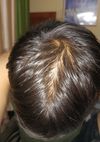
User shared progress using topical Finasteride 0.3% and Minoxidil 6% daily since January, noting some improvement and no side effects. Considering adding derma rolling for better results.
The user experienced hair loss after switching to daily microneedling and stopping tretinoin, while continuing oral finasteride, minoxidil, and other treatments. The consensus suggests daily microneedling is excessive and harmful, recommending less frequent sessions to allow healing.
A 33-year-old male is documenting his hair regrowth progress using minoxidil, red light therapy, copper peptides, and micro-needling, with noticeable improvement in hair thickness and coverage. He plans to add a topical finasteride/minoxidil spray and aims for a shadow on his scalp rather than a full head of hair.
Improvements seen after 5 months of using finasteride, minoxidil and dermaroller for hair loss. The original post was praised by another user for its progress.
A 36-year-old has been using oral finasteride (1 mg daily) and topical minoxidil twice a day since September 2023, and added LLLT (helmet) to their routine 2 months ago, seeing positive changes. They also use Ketoconazole shampoo, rotate other medical shampoos, train regularly, eat clean, and manage stress.
The conversation is about hair regrowth using micro-needling, RU58841, oral and topical minoxidil, ketoconazole shampoo, and dutasteride. Users suggest that noticeable results take longer than two weeks, though one user mentions seeing baby hairs.
PreparationAbject378 has been following a comprehensive regime of medications and lifestyle changes for the past two months to help with hair loss, including Dut, Minoxidil, Finasteride, RU58841, Keto shampoo, Derma pen, a running routine, diet modifications and supplements.
The conversation is about a user's nearly 4-month hair loss treatment regimen, which includes dutasteride every other day, 0.25ml minoxidil on the hairline once a day, and using a 1.5 mm derma stamp every two weeks. Some responses question the need to start multiple treatments simultaneously, while others comment on the visible improvement and the necessity to continue treatment for sustained results.
The conversation provides advice on hair loss treatments, emphasizing the importance of following instructions for Minoxidil and Finasteride use, considering micro-needling to enhance treatment effectiveness, and incorporating hair oils, vitamins, and appropriate shampoos. The user shares their personal regimen, which includes oral Finasteride, topical Minoxidil, rosemary oil, micro-needling, supplements, and specialized hair care products, and stresses the necessity of consistency for successful results.
OP has been using a premixed topical solution of 5% minoxidil and 0.025% tretinoin for 6 months with good results and is unsure if shaking the bottle is necessary. OP is also using Dutasteride and is curious about the impact of shaking on treatment effectiveness.
The user has been using 1mg finasteride, 5% minoxidil, Nizoral, and a derma stamp weekly for two months to treat hair loss. They are experiencing good results, with some skin flaking from microneedling.
A user experienced a dry, scaly scalp two weeks after microneedling with a dermapen at 1mm and applying Rogaine foam. They tried moisturizers and coconut oil without success and are seeking advice.
The user has been using finasteride for hair loss for 2-3 years, and added 5% topical minoxidil and daily 1.5mm dermarolling to their routine 50 days ago, which resulted in significant hair growth. The user recommends dermarolling along with minoxidil and finasteride for better results.
The conversation is about a hair regrowth regimen that includes using minoxidil, peppermint oil, a red light hat, and microneedling. The user is seeking advice on the effectiveness and frequency of these treatments.
An 18-year-old shares two months of progress using a topical spray solution containing finasteride, ketoconazole, minoxidil, and biotin for hair loss, reporting minimal side effects and satisfaction with results. The user applies the solution daily to different parts of the scalp.
The user is using a treatment of topical minoxidil 7% and finasteride 0.1% twice daily, along with a low-level laser therapy cap, biotin, and collagen supplements, and is seeing good progress on the hairline and temples but not the midscalp. They experienced initial shedding, saw results by month three, and are happy with the progress, though some users express concern about using finasteride at a young age.
The user is treating hair loss with dermarolling, a laser helmet, scalp massages, and Nizoral. They stopped using minoxidil and finasteride and are considering pumpkin seed oil and sulforaphane.
The conversation is about a person using oral minoxidil, biotin multivitamins, dutasteride lotion, a hair growth serum with redensyl, capixyl, and procapil, ketoconazole with zinc shampoo, and monthly PRP treatments with a derma roller for hair growth. Someone encouraged them to continue with their regimen.
The user experienced significant hair regrowth using dermarolling, peppermint essential oil, rosemary carrier oil, finasteride, dutasteride, biotin, vitamin E, spirulina, fish oil, and a protein-rich diet. The oral versions of finasteride and dutasteride were noted as more effective.
A 20-year-old diffuse thinner has been using finasteride for 8 months and is considering adding minoxidil to their routine. A user suggests incorporating minoxidil for quicker regrowth, despite the hassle of daily application, while continuing finasteride.
The user experienced significant hair shedding after pausing their hair care regimen, which included finasteride, micro-needling, Nizoral shampoo, vitamin D, essential oils, melatonin, caffeine, exercise, and protein intake. They are concerned if the shedding is due to the break in their routine or a normal phase of finasteride use.
The user discovered that a buildup of sebum and residue was preventing Minoxidil and finasteride from working effectively. After thorough scalp cleaning, hair shedding reduced significantly, and microneedling became more effective.
A 23-year-old has been using minoxidil for 1.6 years, finasteride for 1 year, and ketoconazole shampoo, along with biotin, to treat hair loss. They noticed baby hairs and a fuller hairline but seek further improvement, especially in the temple areas, and are considering adding rosemary oil and a dermastamp.
The post and conversation are about a user's 3-month progress using Minoxidil, Finasteride, Nizoral shampoo, and derma-rolling for hair loss. The user reports noticeable improvement in their hairline.
The user has been using a combination of 0.3% topical finasteride, minoxidil, ketoconazole, and microneedling once a week for two months with positive results and no side effects. They apply the treatment daily using a spray and have short hair, which makes application easier.
A user shared progress pictures after 5 months using Hims 2-in-1 finasteride and minoxidil with a 1.5mm derma roller. Other users commented positively and shared their own experiences with the treatment.
The user "EscapeNo3518" shares their positive results after using topical minoxidil and dermarolling for almost 5 months. They also made changes to their hair washing routine. Another user asks about when the results started to show.
A 2-week journey with Pyri, which is producing positive effects on hair texture and reduced shedding; Minoxidil and derma needling are being used as treatments.