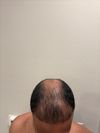
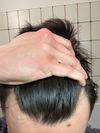
A 27-year-old seeking affordable hair transplant clinics, particularly in Mexico, after using finasteride for years. Recommendations for Dr. Nader and Dr. Cortez were mentioned.
A 28-year-old underwent three hair transplants totaling 11,102 grafts at Eugenix, using finasteride and minoxidil to manage advanced hair loss. Despite limited density, the results are satisfactory, allowing the individual to feel presentable without a hat.
The user experienced hair regrowth using topical finasteride 0.1%, minoxidil 10%, and microneedling over a year, recovering about 5 years of hairline and 3 years of density. The treatment was applied to the temples and frontal area, with some recovery in the coronal area attributed to microneedling.
A user underwent a hair transplant with 3500 grafts after trying treatments like finasteride and minoxidil, preferring a local clinic in Toronto over traveling to Turkey. The user plans to continue using finasteride to maintain existing hair, as the transplanted hair is DHT resistant.
The user experienced good crown progress in 3 months using finasteride, collagen, vitamins B, C, D, zinc, and dermarolling. They are pleased with the results after a hair transplant on the front and mid scalp.
A 35-year-old man had a hair transplant in 2019 but experienced further hair loss due to not using finasteride or minoxidil. Many suggest shaving his head or considering a hair system, as his donor area is depleted and further transplants may not be viable.
Emerging hair loss treatments like PP405, a topical MPC inhibitor, show promise in activating stem cells for hair growth. The conversation seeks information on the development stages and accessibility of these treatments.
The user is experiencing severe hair loss after surgery and stress, with thinning all over the head, including the sides and neck. They are unsure if it's due to DUPA or alopecia areata incognita, and doctors have not observed miniaturization.
The conversation discusses using a TCA 35% chemical peel on the scalp to potentially improve hair growth by addressing fibrosis and enhancing the effectiveness of topical treatments. The user also mentions trying microneedling and other methods like topical metformin and dutasteride for hair regrowth.
New hair loss treatments like PP-405, AMP-303, and SCUBE3 are being discussed, but none are confirmed to fully restore hairlines. Current treatments like Minoxidil, Finasteride, and RU58841 are still widely used, with some hope for future advancements in hair regrowth.
A user was prescribed betamethasone dipropionate spray for a receding hairline, which caused skin peeling and depigmentation. They stopped using it and are considering alternatives like BPC-157/TB-500 for healing.
The user had a hair transplant in Turkey and started taking finasteride to maintain hair growth. They are satisfied with the results and plan to continue using finasteride while being cautious about hairstyles to prevent traction alopecia.
The conversation discusses hair regrowth treatments, including stem cell exosomes, PRP, and PP405. Users question the effectiveness of the treatments and mention finasteride and minoxidil.
The user experienced hair loss due to defective dutasteride and is now using a regimen including dutasteride, oral and topical minoxidil, RU58841, tretinoin, and microneedling to recover hair density. They are optimistic about regaining their hair despite recent setbacks.
A user's results after 10 months of hair transplant surgery, which they had been taking care of with 0.5mg/day finasteride, 1x daily minoxidil and 1.5 times weekly microneedling treatments. One other user replied positively to the post.
The user shared progress pictures showing improved hair growth at the temples after 2.5 months using oral finasteride/dutasteride, ketoconazole shampoo, minoxidil, tretinoin, and dermarolling. The user reported no side effects from the medications and noted inconsistent microneedling.
A user who had a hair transplant in Turkey and shared their experience, as well as tips for those considering the same procedure. Other users then discussed their experiences with similar clinics, and offered advice on how to find reputable surgeons and avoid scams.
A user shared progress pictures of a hair transplant from Padra Clinic in Toronto, claiming 8000 hairs were transplanted for $4000 CAD. The post faced skepticism, with users questioning the results and clinic's credibility, while the user mentioned using zinc, biotin, and hair laser therapy for aftercare.
A 32-year-old had a hair transplant in Istanbul for 2500€, using 2800-3000 grafts, and is not using finasteride or other medications long-term. The user is satisfied with the results but acknowledges the possibility of needing another transplant in the future.
A user shared their positive experience with a 3200 graft hair transplant surgery, costing 1.20 lakh INR, performed by a doctor with a background at Eugenix. Post-surgery, they were instructed to use minoxidil 5% topically, take finasteride tablets, and undergo PRP treatments.
A 32-year-old man had a successful hair transplant in Atlanta, using 1mg finasteride and 5% topical minoxidil daily, which greatly improved his confidence and appearance. He spent about $13,000 and is very satisfied with the youthful results and increased happiness.
The conversation discusses hair transplants, including the use of techniques like FUE and the importance of a good donor area to avoid visible bald patches. It also touches on alternative treatments like Minoxidil, Finasteride, and Pyrolutimide, and debates the idea of embracing baldness versus seeking treatments.
A user shared their 4-month hair restoration progress using minoxidil with finasteride, oral finasteride, and micro needling. The community responded positively, praising the results and the user's happy demeanor in photos.
Finasteride and Minoxidil effectively regrow hair but cause sexual side effects. The user is considering a Korean FUE hair transplant and is researching clinics and costs.
The user shared their hair restoration journey, using dutasteride, topical minoxidil, and a 2,300 graft hair transplant, resulting in significant improvement. They are happy with the results and do not believe the hair system worsened their hair loss.
A person dealing with hair loss is considering shaving their head, using scalp micropigmentation to cover a FUT scar, or trying a hair system. They are also contemplating treatments like minoxidil, finasteride, and dutasteride.
The user experienced significant hair regrowth using finasteride and minoxidil, leading to doubts about proceeding with a planned hair transplant. Many suggest postponing the transplant to save grafts for future needs, as the current results are impressive.
Getting a hair transplant without using finasteride or dutasteride for at least two years can waste donor hair, as these medications can lead to significant hair regrowth in areas like the crown and mid-scalp. Delaying a transplant allows for better results by maximizing natural regrowth and preserving donor hair for more needed areas.
The user underwent three hair transplants over five years, totaling 6,500 grafts, and uses a topical solution with minoxidil and finasteride. The procedures were performed at Medikliniek in Amsterdam, with some donor hair taken from the beard during the last surgery.
The user had a hair transplant and uses oral minoxidil, a red laser therapy helmet, fish oil, collagen, and sardines for hair thinning but avoids finasteride due to side effect concerns. Many suggest these methods may not be effective long-term without a DHT blocker.