A user experienced severe scalp itching with MPB and found Nizoral ineffective. A doctor diagnosed seborrheic eczema and prescribed Betacap, which relieved the itching.
The conversation discusses experiences with Haircross Hair Growth Serum, which contains Redensyl, Capixyl, Procapil, Anagain, and Baicapil, as an alternative to Minoxidil and Finasteride. Users report mixed results, with some experiencing no regrowth and others noting slight thickening, but concerns about side effects and effectiveness compared to standard treatments remain.
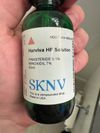
Topical finasteride (P-3074) can inhibit scalp DHT by up to 70%, with some users experiencing systemic absorption similar to oral use. Users discuss varying application frequencies and concentrations, with some noticing side effects when overused.
A 23-year-old is considering using a topical solution of Finjuve (finasteride and minoxidil) at a reduced dosage of 0.2/0.4mg to treat crown thinning while minimizing side effects. Applying 0.1-0.2 mL is suggested to lower systemic absorption and effectively reduce DHT on the scalp.
Stem cell therapy shows promise in treating hair loss by mimicking DHT-resistant cells from the back of the head. Traditional treatments like finasteride are also discussed, but stem cells could potentially offer a more permanent solution.
A 34-year-old male is experiencing hair loss on the sides of his head, with inflammation and itchiness, while the top remains thick. He is using topical dutasteride and keto shampoo to address the issue.
The conversation is about trying unconventional treatments for hair loss, such as green tea, coffee, cocoa, multivitamin pills, red wine, onion, honey, herbs, and hydrogen peroxide. The user is seeking feedback on these methods to avoid ineffective ones.
The conversation humorously suggests that drug use might be more effective for hair retention than traditional treatments like minoxidil or finasteride. It attributes full heads of hair in homeless individuals to lifestyle factors like reduced stress or hormonal changes.
Hopeful treatments for hair loss, including Verteporfin, Androgen Receptor Degradation, and SCUBE3. These treatments offer potential solutions to slow or stop the effects of androgens on the scalp.
The user is experiencing diffuse thinning and inflammation despite using 2.5mg dutasteride daily, ciclopirox, and ketoconazole shampoos. They are considering treatments like hydroxychloroquine and JAK inhibitors due to suspected scarring alopecia and have faced challenges in obtaining a scalp biopsy.
The conversation discusses hair loss and treatments like finasteride, minoxidil, and ketoconazole shampoo. Users suggest scalp massages, warm showers, and other methods to address scalp tension and tight spots, with some mentioning the potential effects of medications like escitalopram and probiotics.
People are discussing a shrine in Kyoto, Japan, dedicated to hair, where rituals are performed to protect against balding. The conversation humorously suggests visiting the shrine if treatments like Minoxidil, finasteride, and RU58841 aren't effective.
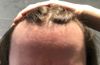
The user is experiencing hair thinning on the sides and back of the head while the top remains thick. A reply suggests it might be retrograde alopecia.
A 23-year-old male had a hair transplant with 3500 grafts and is using finasteride, minoxidil, hair vitamins, and a keto shampoo. He seeks advice on crown regrowth and when to start dermastamping.
The conversation discusses a hair regrowth treatment containing Minoxidil, Procapil, Sandalore, and caffeine. The focus is on evaluating the effectiveness of this product available on eBay.
The conversation humorously discusses the unfairness of hair loss, highlighting various treatments like finasteride, minoxidil, red light therapy, and experimental drugs, while contrasting with people who have great hair despite unhealthy lifestyles. The original poster mentions experiencing side effects from switching to oral finasteride.
The conversation discusses hair loss linked to BDNF-increasing nootropics like Semax and Lions Mane. Suggested topical treatments include capsaicin, beta-glucan, and ginseng to counteract TGF-B activation.
A user who had two hair transplants and is still concerned about their crown area, despite other people reassuring them that it looks normal. The advice given was to use Minoxidil, Finasteride, SMP, and to consider speaking with a therapist.
The user shaved their head and noticed some hair regrowth and thickening due to Minoxidil and finasteride. They are content with their hair loss and have accepted it, while also observing that others don't notice the thinning as much as they do.
AHK and GHK are discussed for hair growth in the crown area, with questions about side effects and safety after microneedling. Users share experiences and concerns about these treatments.
Hair loss discussion focuses on adding an anti-androgen to stack with topical finasteride. Eucapil (fluridil) is suggested for its safety and minimal side effects.
The conversation is about using liquid melatonin, typically for sleep, as a topical treatment for hair growth on the scalp. No specific treatments were mentioned.
The conversation is about someone switching from Minoxidil and Finasteride to Redensyl, Procapil, and Capixyl serums due to anxiety over potential side effects, and they are inquiring about others' regrowth experiences with these serums. Some doctors in India have prescribed these serums, and the person knows others who are satisfied with the results.
A 21-year-old is experiencing significant hair loss and considering treatments like dutasteride, minoxidil, and possibly a hair transplant. Others share their experiences with finasteride, scalp micropigmentation, and hair transplants, discussing the emotional impact and offering support.
The conversation discusses dealing with hair shedding from oral minoxidil, with suggestions like using hair fibers, cutting hair shorter, or wearing a hat to manage appearance. It also touches on mental coping strategies and the potential benefits of combining treatments like finasteride or dutasteride.
Minoxidil and finasteride are being considered for hair loss due to seborrheic dermatitis and male pattern baldness. The user is also using ketoconazole and zinc pyrithione shampoo.
The conversation discusses why CB-03-01, a potential hair loss treatment, isn't widely discussed despite evidence of its effectiveness and safety. Some users mention other treatments like melatonin, procianidin b2, and RU58841, debating their effectiveness and safety.
A 33-year-old male restarted finasteride after stopping it to conceive, noticing hair loss, especially in the crown area. His current routine includes finasteride, minoxidil, ketoconazole, and microneedling, and he plans to continue this treatment for 18 months before making any major changes.