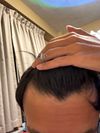
KX-826 stopped hair loss for the user after stopping finasteride due to mild side effects. The user experienced mild headaches initially with KX-826, which resolved after a few days.
User plans to switch from oral to .005% topical finasteride, using a solvent from minoxidilmax and later Essengen-F. They will monitor DHT levels and seek advice on solvents and sleep caps.
RU58841 may cause heart-related side effects like palpitations and chest pain, though evidence is mostly anecdotal. Users report mixed experiences, with some stopping due to side effects and others using it without issues, but concerns about its safety and sourcing remain.
A user shared their 6-month progress using 3 mg oral Minoxidil and 1.25 mg oral Finasteride for hair loss. They experienced new hair growth, some facial hair thickening, and no significant side effects.
After stopping finasteride, the user retained hair without noticeable balding, suggesting an unusual reaction to the medication. The user initially experienced rapid hair loss and itchiness, possibly due to male pattern baldness, but maintained hair stability after tapering off finasteride.
The conversation discusses hair loss treatments, specifically Breezula, Minoxidil, finasteride, and RU58841. Participants express curiosity about Breezula's safety and its steroidal nature.
The conversation discusses using hormones like pregnenolone and tongkat ali to counteract sexual side effects from hair loss medications such as finasteride, dutasteride, ketoconazole, and minoxidil. The user stopped the other medications but continues using minoxidil while seeking advice on maintaining libido.
The DHT itch is linked to hair loss and persists despite finasteride use; switching to dutasteride helped alleviate the itch and promoted regrowth. Some users suggest seborrheic dermatitis as a cause and recommend treatments like medicated shampoos, vitamin D, and minoxidil.
Redensyl, which is a topical alternative to Minoxidil for hair loss. It may have advantages such as not making the hair greasy and lasting longer after discontinuing use than minoxidil. There are some positive reports from users, but also some negative ones, so it's unclear how effective this treatment will be in comparison to Minoxidil and other treatments like Finasteride or RU58841.
A 36-year-old man with androgenetic alopecia suspects copper and zinc deficiencies may be accelerating hair loss and is supplementing copper to address this. He is also monitoring blood sugar levels due to previous prediabetes concerns and plans to test for insulin resistance.
HMI-115, a newly discovered hair loss treatment that could potentially be effective for those with diffuse thinning and telogen effluvium. It is based on prolactin receptor antagonist signaling and has already undergone Phase I trials in women, with potential commercialization by 2027.
A 20-year-old male with diffuse androgenetic alopecia tried homeopathy for hair regrowth but saw limited results due to inconsistency and is considering switching to minoxidil and finasteride. Despite some baby hair growth, hair fall hasn't stopped, and he believes more time and consistency might be needed.
Finasteride users discuss potential side effects, including Post Finasteride Syndrome (PFS), with varying opinions on its legitimacy and impact. Some users report side effects like changes in semen consistency and reduced pre-ejaculate, while others emphasize the rarity and reversibility of side effects.
The post expresses frustration over the unavailability of pure topical finasteride in India despite the developed pharma industry. The user seeks advice on making it at home and its effectiveness.
The conversation discusses a 24-year-old Korean man's progress with hair loss treatments over 8-9 months, with specific treatments not mentioned due to redacted information. Users are commenting on the effectiveness and inquiring if Asians have better results with hair loss treatments.
The conversation is about the approval of Clascoterone (Winlevi) in Canada for hair loss treatment. One user expressed skepticism about its effectiveness due to low concentration.
The user is experiencing severe hair shedding after taking finasteride for three weeks and plans to stop due to gynecomastia symptoms. Stopping finasteride may lead to some hair regrowth, but benefits from the treatment might be lost; topical alternatives are suggested.
A user noticed watery semen and decreased volume after a week of using finasteride and asked if taking Zinc, pygeum, and lecithin supplements would affect finasteride's effectiveness. The conversation is about the side effects of finasteride and potential supplements to counteract them.
A 33-year-old experienced significant hair loss after a depressive episode and taking paroxetine, possibly due to telogen effluvium or androgenic alopecia. Suggestions included reducing alcohol, considering finasteride and minoxidil, and consulting a doctor about antidepressant side effects.
The user is taking finasteride 1mg from Blink pharmacy, sourced from Ascend Laboratories, with no noticeable side effects after 5 months. They also use Kirkland foam minoxidil, micro needling, and various supplements for hair treatment.
Hair loss treatments discussed include Minoxidil, Finasteride, and RU58841. Anageninc stopped selling KX-826 (Pyrilutamide) due to a cease and desist letter from Kintor, but this may indicate promising study results and a potential 2024 release.
The user is experiencing scalp itching despite using finasteride and Ketoconazole shampoo for hair loss and seborrheic dermatitis. They are unsure if the itch is due to their treatments, diet, or mental factors.
Hair loss discussion includes treatments like Minoxidil, Finasteride, and RU58841. Users share experiences and support, mentioning that many people face hair thinning.
A user found relief from minoxidil-induced scalp itch by using a different product, as Nizoral dried out their scalp and worsened the condition. The conversation focuses on managing side effects of hair loss treatments.
Using a combination of topical finasteride, minoxidil, caffeine and dermaroller treatments to help with hair loss, while discussing the potential results and other options.
A female user is seeking feedback on using topical minoxidil on eyebrows due to eyebrow loss, as oral minoxidil hasn't worked and they avoid Latisse due to potential fat loss.
A poem humorously suggests hope for a new hair loss treatment, PP405, while users debate the effectiveness and side effects of current treatments like Finasteride. Concerns are raised about Finasteride's side effects, especially for young users, and skepticism about new treatments is expressed.
A user experienced severe side effects, including heart-related symptoms, after increasing their oral minoxidil dosage to 5 mg, leading them to stop the medication and seek medical advice. Many users advised against high doses of oral minoxidil, suggesting anxiety as a possible cause, and recommended consulting a doctor or switching to topical treatments.
The discussion is about a hair loss drug called pyrilutamide. Users discuss its efficacy, safety, and expected market release around 2025-2026, with some expressing concerns about the authenticity of current market offerings.