The user is experiencing white flakes and a greasy look from using a topical solution containing 0.025% finasteride, 8% minoxidil, 0.01% retinoic acid, and 1% hydrocortisone. Suggestions include reducing application frequency, using a brush to clean the scalp, and considering alcohol-free alternatives.
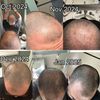
The user started taking 1 mg finasteride daily in September 2024 and began derma stamping twice a week, noticing progress initially but now experiencing increased scalp visibility. They are considering adding oral or topical minoxidil to their routine for further improvement.
Topical Clascoterone showed a 539% improvement in hair count compared to placebo, but its effectiveness and safety are debated. Users compared it to minoxidil and finasteride, with mixed opinions on its potential release in 2026 or 2027.
The user experienced severe hair shedding despite using oral finasteride, minoxidil, dutasteride, and RU58841, and was diagnosed with Non-Alcoholic Fatty Liver Disease (NAFLD). They are considering switching to topical treatments due to the ineffectiveness of their current regimen.
Creatine may cause increased hair shedding in some individuals, especially those with androgenetic alopecia (AGA), despite its physical performance benefits. Many users report stopping creatine to reduce hair loss, while others believe the effects are anecdotal or due to other factors like increased physical activity.
The conversation is about a hair loss serum mix containing 5% capixyl, 3% redensyl, and procapil. The user is asking for recommendations or opinions on the effectiveness of this product.
The conversation discusses various hair loss treatments, with a focus on pyrilutamide, minoxidil, and alternatives to finasteride due to intolerance. Users suggest adding a DHT blocker like finasteride or dutasteride, and some recommend trying topical versions to reduce side effects.
The conversation discusses an extensive hair loss treatment regimen including dutasteride, GT20029, RU58841, pyrilutamide, minoxidil, microneedling, ketoconazole shampoo, and experimental compounds. The user humorously describes their approach as a comprehensive strategy to combat hair loss while maintaining hair growth.
A user shared their success in getting a prescription for 0.1% Alfatradiol, a topical treatment for hair loss similar to finasteride but with fewer side effects. They found a pharmacy to compound it and will update on the results.
The user is seeking alternatives to propylene glycol and glycerin for mixing with RU58841 due to allergies and greasiness. Suggestions include reducing glycerin and considering stemoxydine as a solvent.
The user has been treating hair loss with finasteride, dutasteride, oral minoxidil, and pyrilutamide for several years without success and is experiencing an inflamed scalp, possibly due to seborrheic dermatitis. They are seeking advice on additional treatments after these methods failed to improve their condition.
The user is considering adding Pyrilutamide or Alfatradiol as a topical treatment for hair loss after oral Finasteride and Dutasteride became less effective. Other users suggest Pyrilutamide for its safety profile, while one user shares positive experiences with RU58841 for reducing scalp itch and improving hairline.
Clascoterone 5% solution is discussed as a potential new treatment for hair loss, offering an alternative for those who can't use finasteride or need additional options beyond minoxidil. Concerns about cost, effectiveness, and safety compared to existing treatments like RU58841 and finasteride are highlighted.
RU58841 is a strong non-steroidal antiandrogen for hair loss but may cause cardiovascular issues in some users. Alternatives like Pyrilutamide and Breezula are suggested due to better safety profiles and lower systemic risks.
The conversation is about sourcing RU58841 for hair loss treatment in Australia and discusses the lack of effective alternatives. Alternatives mentioned include Kx826, fluridil, cb, alfatradiol, and topical spiro, but they are considered weak compared to RU58841.
A 23-year-old started using 0.5mg Dutasteride and 2.5mg Minoxidil daily for hair loss and is considering adding RU58841 or GHK-cu. Users suggest waiting a few months before adding anything and mention Koshine's kx-826 as a potentially better alternative to RU58841.
The user experienced no improvement in hair loss with finasteride and minoxidil but had side effects. They plan to add wounding, scalp massage, vitamin K, and taurine supplements to their regimen and seek feedback on these additions.
The user is excited about starting Clascoterone 5% for hair loss, a DHT blocker, and expects better results when combined with Minoxidil. The prescription costs $199 for 30 ml or $353 for 60 ml, and the user plans to cover the cost by driving for Uber.
The conversation discusses the difference between the commercially available Pyrilutamide and the version in clinical trials. It also mentions treatments like Minoxidil, finasteride, and RU58841 for hair loss.
The user has been using Actifolic Pyrilutamide 0.5% once daily for almost three weeks without noticing any side effects or progress. Other users suggest that significant results typically take 3-6 months to appear.
The conversation discusses a hair loss treatment regimen involving minoxidil, finasteride, RU58841, JXL069, and nizoral shampoo. The user reports seeing new black dots in areas where hair hasn't grown in years, suggesting potential regrowth.
A 32-year-old male with diffuse thinning and seborrheic dermatitis has been using finasteride for 8 months without improvement. He is considering COQ10 + PQQ supplements for scalp inflammation and hair loss.
Baricitinib, approved for alopecia areata, might be considered for treating receding hairlines. The discussion is about the possibility of an over-the-counter topical version for androgenic alopecia.
The conversation discusses the safety study of PP405, emphasizing that early trials focus on safety rather than efficacy, and that any efficacy data from such a short study should be viewed skeptically. It also highlights that the information released is primarily for securing funding, and that meaningful efficacy results are expected in later phases.
The post discusses using a topical tincture containing zinc, azelaic acid, and other ingredients to inhibit 5 alpha-reductase activity for treating hair loss. The user plans to try this natural alternative before using finasteride or RU58841.
The conversation is about choosing a topical antiandrogen for hair loss, with options including RU58841, CB0301, Pyrolutamide, Alfatradiol, and Fluridil. Users discuss their preferences and reasons for selecting specific treatments.