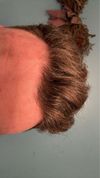
The user regrets stopping finasteride and minoxidil due to increased hair loss. They have resumed these treatments and are considering a hair transplant.
The user, a 27-year-old male, has been treating early hair loss with topical finasteride and minoxidil, then switched to oral finasteride and dutasteride, but has seen no improvement and plans to add oral minoxidil. Despite treatment, hair loss has progressed from Norwood 1-1.5 to Norwood 3, with noticeable thinning, especially on the left side.
Dutasteride can cause prolonged hair shedding before regrowth begins, often taking 6-12 months for noticeable improvement. Users report varying experiences, with some seeing no shedding and others experiencing significant shedding before eventual regrowth.
The conversation discusses increasing the dose of oral minoxidil from 2.5mg to 5mg for better hair density, with concerns about potential side effects like heart rate changes and fluid retention. Users suggest consulting a doctor, considering individual tolerance, and exploring other treatments like dutasteride.
Doctors recommend starting with minoxidil for hair loss due to its lower risk of side effects compared to finasteride. Some believe finasteride should be used early to address the root cause, but a conservative approach is preferred by medical professionals.
The user is experiencing significant hair loss and has tried topical minoxidil and oral finasteride. Despite some regrowth, shedding continues, and they seek advice on whether to continue with these treatments or try something else.
Finasteride and dutasteride are not considered safe during pregnancy, with some users suggesting caution and others sharing personal experiences of no issues. The general consensus is to avoid these medications during pregnancy to prevent any potential risks.
The user has been using oral finasteride and minoxidil for 1.5 years with some crown improvement but still experiences thin hair and a receding hairline. They are considering switching to dutasteride for potentially better results, while others suggest adding topical minoxidil back into the routine.
A 26-year-old male is considering switching from Finasteride to Dutasteride for more effective hair restoration, while others share experiences and advice on transitioning between these treatments. Many suggest gradually integrating Dutasteride with Finasteride to avoid shedding, and some report positive results with Dutasteride, though regrowth is not guaranteed.
A 20-year-old male experiencing hair loss is using topical finasteride and recently added dutasteride but is still losing hair and considering giving up. Suggestions include being patient, giving dutasteride more time, trying oral finasteride, adding minoxidil, and considering other treatments like low-level laser therapy.
Dutasteride may reduce bone mineral density, but there's no increased risk of osteoporosis or fractures compared to finasteride. Users suggest resistance training to counter potential bone effects.
The user switched from topical to oral Minoxidil and is experiencing hair shedding without significant regrowth, despite using Finasteride and Dutasteride. They are considering whether their body isn't responding to oral Minoxidil and are exploring options like dermarolling.
A 30-year-old man is frustrated with hair loss despite using finasteride, topical minoxidil, ketoconazole shampoo, and PRP. Suggestions include trying oral minoxidil, dutasteride, RU58841, or considering a hair transplant.
A 47-year-old has been using finasteride for 25 years for hair loss, but it's less effective now. Suggestions include switching to dutasteride, stopping anastrozole, and trying minoxidil, microneedling, and possibly TRT.
Transitioning from finasteride to dutasteride for hair loss, with suggestions to either slowly transition or frontload dutasteride. The user is also using minoxidil, nizoral, needling, and LLLT.
Significant hair regrowth was achieved over six years using Minoxidil, Finasteride, and daily 0.25mm dermarolling. Finasteride had the most significant impact, with no reported side effects.
The user is experiencing hair thinning despite using finasteride and minoxidil with added tretinoin, and is considering switching to dutasteride. Suggestions include trying dutasteride, oral minoxidil, microneedling, and possibly a hair transplant for better results.
A user shared their 3-year progress using finasteride and minoxidil for hair loss, noting significant improvement after adding minoxidil to their routine. They also use a derma roller weekly and apply minoxidil topically to the entire hairline.
The user shared six months of progress using oral finasteride (1.2mg) and minoxidil (3mg) with positive results. They do not use topical minoxidil and have not experienced side effects like erectile dysfunction.
A 25-year-old man is worried about his girlfriend noticing his balding and is frustrated by society's focus on looks. He uses minoxidil, finasteride, and dutasteride for hair loss and considers being honest with her.
The user reported significant hair regrowth after 4 months using Dutasteride, oral and topical Minoxidil, Nizoral shampoo, and dermastamping. They experienced minor side effects but noted consistent progress and regrowth, especially at the hairline and temples.
The user experienced hair regrowth using finasteride every other day and topical minoxidil but is currently going through a shedding phase. Despite the shedding, progress is evident, and users suggest patience and possibly adding microneedling to improve results.
The conversation is about a user's positive experience with hair regrowth using 2.5mg daily of Dutasteride and 5mg oral Minoxidil, noting significant progress without major side effects. The user experienced an initial hair shed with Dutasteride, which stopped after starting Minoxidil, and recommends consulting a doctor before adjusting dosages.
The user experienced noticeable hair regrowth after starting dutasteride and minoxidil in mid-November. Despite mixed opinions, many users encouraged patience and consistency with the treatment.
Breezula may be released around 2027 but its effectiveness for advanced thinning is uncertain, and it might be expensive. Users discuss alternatives like low-dose topical finasteride and combining it with Breezula for better results.
A 20-year-old has been using topical minoxidil since 2021, oral finasteride since 2023, oral minoxidil for 6 months, and dutasteride for 2 months to combat hair loss but is still experiencing temple thinning. Suggestions include continuing medication, considering a future hair transplant, and taking monthly progress pictures.
Celebrities using hair loss treatments like finasteride, minoxidil, and hair transplants is common and helps normalize these practices for the public. Many believe acknowledging this reduces stigma and provides reassurance that these treatments are effective and widely used.
The user is frustrated with hair loss treatments like finasteride, minoxidil, dutasteride, and oral minoxidil, which have been ineffective and caused scalp itching. They are skeptical about these treatments' effectiveness and consider alternative options like ketoconazole shampoo and RU58841.
A poor diet high in sugar and insulin resistance may reduce the effectiveness of finasteride in treating hair loss. Improving diet could potentially enhance treatment results.
The user experienced significant hair regrowth using a daily oral combination of minoxidil (3mg) and finasteride (1.1mg) without side effects. Others shared their experiences with similar treatments, noting varying results and side effects.