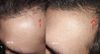
The person is using 1mg of finasteride daily, 2mg of minoxidil, and weekly dermarolling with a 1mm needle. They sometimes use topical minoxidil as well.
The user started using 5 mg oral minoxidil and 1 mg finasteride daily, along with microneedling and applying lavender oil, saw palmetto, and pumpkin seed oil to the scalp. They report significant hair regrowth within a few months.
The conversation discusses using GHK-Cu, C60, and saw palmetto oil as treatments for hair loss. Specific treatments mentioned include Minoxidil (Min), Finasteride (Fin), and RU58841 (RU).
The user experienced side effects from low-dose topical finasteride and is considering using clascoterone (CB-03-01) despite concerns about its risks and cost. They seek advice on its effectiveness and potential side effects compared to other treatments like alfatradiol and fluridil.
A user is seeking a European supplier for a 3-in-1 hair loss medication containing Minoxidil, Finasteride, and Biotin. Suggestions include using forwarding services and a UK-based provider, with discussions on potential import taxes.
A 20-year-old is considering switching from applying a Minoxidil 5%/Finasteride 0.1% solution twice daily to once daily due to cost and convenience. It is suggested that applying once a day before sleep should still be effective if done consistently.
Minoxidil foam absorption concerns, with suggestions to use gloves or apply directly to the scalp to ensure proper absorption. Some users recommend using a scalp massager or switching to liquid minoxidil for better application.
A user suspects Ritalin is causing hair loss due to vasoconstriction and is considering trying Ginkgo Biloba after already taking a multivitamin and hair supplement. Another user mentions experiencing hair shedding with Vyvanse and Dexedrine.
The conversation discusses a hair regrowth treatment containing Minoxidil, Procapil, Sandalore, and caffeine. The focus is on evaluating the effectiveness of this product available on eBay.
The user shared their experience with hair regrowth using a natural approach, including a good diet, multivitamins, pumpkin seed oil, and scalp massages, without using minoxidil or finasteride. They emphasize this method for those with stabilized hair loss around Norwood 1.5 - 2, noting satisfactory progress over a year.
The user has been using finasteride for 8 years and started using minoxidil foam 5% twice daily with micro-needling since May 2025. They experienced significant shedding starting in July and are seeking information on how long the shedding will last and when to expect positive results.
After over a year of treatment with daily oral dutasteride and minoxidil, plus injected dutasteride every 6 months, the user is happy with the increased thickness of their hair and improved self-esteem, although scalp visibility remains. They encourage others to follow similar treatments for long-term hair maintenance.
A user found a solution for Minoxidil-induced dandruff by using a custom NRF 11.121 mixture from a local pharmacy, which includes ingredients like Isopropyl palmitate and Cremophor RH 40. This formulation prevents dryness and allows better penetration when using hair shaders.
The conversation is about the anticipation and uncertainty regarding the release of GT20029 Phase 2 results for hair loss treatment. Users express hope for its effectiveness and minimal side effects compared to other treatments like Pyri and HMI115.
ET-02 (RS 5441) shows promising results for hair growth, performing better in humans than in mice. There is debate over the effectiveness compared to minoxidil, with some users wanting more detailed data.
Minoxidil is on sale at Costco, but it poses a significant risk to pets, especially cats. Users discuss the pros and cons of foam versus liquid minoxidil, with some preferring liquid for better results despite its greasiness and dandruff issues.
The conversation is about frustration over the delay in phase 2 results for a hair loss treatment called GT20029. One user suspects the treatment may have failed.
Oral minoxidil is considered more effective for hair regrowth than topical minoxidil, but it carries higher risks. Combining microneedling with topical minoxidil can enhance absorption, but oral minoxidil with microneedling shows significant results.
Minoxidil, finasteride, and RU58841 are discussed as treatments for hair loss, with excitement around a new drug, PP405, and a reformulated oral minoxidil in trials. Concerns about cost, side effects, and long-term use are also mentioned.
A 26-year-old male started treatment with 1 mg finasteride and 2.5 mg oral minoxidil on September 25. By November, he noticed significant hair regrowth with no major side effects, except increased hair growth in other areas.
The group buy for CB-03-01, a topical anti-androgen for hair loss, was postponed and refunded due to issues with the product's form and solubility. The product, also known as Breezula, is an alternative to finasteride with fewer side effects, but its official release is delayed until 2021.
A 25-year-old man has been using topical minoxidil 5%, oral finasteride 1mg, and microneedling for hair loss treatment for 14, 9, and 8 weeks respectively. He experienced watery semen after starting finasteride, but it normalized after a few days with no other side effects.
The user is experiencing diffuse thinning despite using oral minoxidil (3mg), dutasteride (0.5mg), microneedling, scalp massaging, and vitamins. Suggestions include increasing the minoxidil dose, checking for scalp conditions, and continuing current treatments.
The user is sharing their hair loss treatment regimen, which includes 1 mg of finasteride, minoxidil applied twice a day, and microneedling once a week. They express excitement for potential improvements in the next 2-3 months.
Hair loss user increased oral minoxidil dose, causing more shedding. Uses 1mg finasteride, Lonitab, and Stemoxydine 5%, expects denser hair in a few months.
A potential new hair loss treatment, HMI-115, and the possibility of discontinuing finasteride in favor of it. The conversation also includes discussion about other benefits of using finasteride.
The conversation discusses using microneedling with growth factor serum, PRF injections, dutasteride, oral and topical minoxidil, and topical exosomes to treat hair loss, particularly on the crown. OP plans to microneedle twice a month and seeks feedback on Korean growth factor serums.
AH-001 is a new topical treatment designed to degrade androgen receptors, targeting the root cause of androgenetic alopecia without the side effects of oral treatments like finasteride. It has shown a strong safety profile and good local tolerability in early trials.
A 21-year-old male experienced significant hair regrowth using minoxidil 5% topical, oral finasteride 1mg, derma stamping, and ketoconazole shampoo over several months. He reported no side effects and remains optimistic about further progress.