miR-205, a tiny RNA, can stimulate hair growth by softening aging hair follicle stem cells in mice. Future tests aim to see if this can work in humans.
2-Deoxy-D-Ribose is discussed as a potential hair loss treatment, but skepticism exists due to lack of human testing. The original poster uses a combination of topical Minoxidil, oral Finasteride, topical RU58841, and other treatments, reporting some hair regrowth but not significant results.
A user experiencing hair loss received three different diagnoses: androgenic alopecia, traction alopecia, and scarring alopecia, and tried treatments like minoxidil and finasteride without success. They are considering dutasteride but were advised to seek anti-inflammatory medication instead.
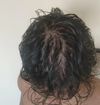
The conversation discusses how different factors can stimulate type 1 and type 2 isoforms of 5-alpha reductase, which are enzymes linked to hair loss. Specific treatments mentioned include oral Dutasteride and topical Finasteride.
The conversation is about the delay in the release of GT20029 phase 2 results by Kintor. It also mentions Minoxidil, finasteride, and RU58841 as treatments for hair loss.
A user's progress after 15 months of using the "Big 3" treatments for hair loss (finasteride, minoxidil and micro needling) as well as Nizerol 2%. The post encourages others to seek out available information on hair loss treatment and reassures them that if it doesn't work, it is only hair.
The user has been using 1mg finasteride and 2.5mg oral minoxidil for three months, noticing new blonde hairs but experiencing ongoing shedding. They also use GHK-Cu, which has improved skin but not hair.
Gamebread2000's progress with using finasteride and minoxidil to treat hair loss, which resulted in improved confidence and appearance. Other participants shared their positive reactions at the results.
The conversation discusses HMI 115, a new hair loss treatment with promising results, showing a significant increase in hair density after two months. Some users are skeptical, while others are hopeful for its release and potential affordability.
A man shared his hairline improvement after two years on 1.25mg finasteride daily and using piroctone olamine shampoo. He has not had a hair transplant and does not plan to use minoxidil.
Discussing results, side effects and potential sources of pyrilutamide for hair loss treatment alongside RU58841 and other treatments such as Minoxidil and finasteride.
A 22-year-old is using dutasteride 0.5mg daily, oral minoxidil 2.5mg, biotin 5mg, and microneedling for hair loss. They also use a shampoo with saw palmetto and green coffee but are unsure of its effectiveness due to its high cost.
A 20-year-old using 1 mg finasteride, 2 ml topical minoxidil, tretinoin, and microneedling for hair loss shows progress after three months, with thicker hair and temple regrowth. No side effects reported, and the user is considering switching to oral minoxidil.
The conversation is about frustration over the delay in phase 2 results for a hair loss treatment called GT20029. One user suspects the treatment may have failed.
KX-826 Phase II results show that a 0.5% concentration performs better than 1% for treating male pattern baldness. Concerns about receptor upregulation from long-term DHT antagonism were mentioned.
DLQ01, a prostaglandin F2α analog, shows promise for hair growth by directly stimulating PGE2/PGF receptors without needing conversion, and can be combined with minoxidil and retinoids like tretinoin for enhanced effectiveness. Minoxidil's efficacy may be reduced by COX-1 inhibitors, but using prostaglandin analogs like Latanoprost or Bimatoprost can help maintain its effectiveness.
A 32-year-old male with hair loss cannot use finasteride due to erectile dysfunction and minoxidil due to scalp psoriasis. He seeks alternative treatments for his condition.
The user has been using minoxidil 5% and finasteride 0.1% topically, along with oral minoxidil and finasteride, for three months without major improvement in hair loss. They are also taking vitamin D3, B12, iron, and zinc supplements.
The user shared progress pictures after using minoxidil and finasteride for three months, reporting hair stabilization and thickening. They used Amazon's brand for minoxidil and Good Rx for finasteride.
ABS-201 shows promise for male hair regrowth by blocking the prolactin receptor, with higher expected efficacy than current treatments. The discussion also covers dosing differences between macaques and humans for hmi115, highlighting a significant dosage disparity.
A 32-year-old male with Norwood 3 and heavy diffuse thinning is starting a hair loss treatment including RU58841, Minoxidil, finasteride, derma rolling, vitamins, and possibly MK677, while cutting out most sugars from his diet. He plans to share progress photos and updates on his test levels.
A 24-year-old experiencing severe hair thinning has been using minoxidil for 2 years but is still shedding hair. A doctor recommended plasma treatment over a DHT blocker for better and healthier results.
The user is experiencing significant hair shedding after 3 months of dutasteride mesotherapy, 2.5 months of Minoxidil, and using ketoconazole shampoo. They are concerned about the shedding but plan to continue the treatment.
The user shared their 3-month progress using 2.5mg oral minoxidil, 0.5mg dutasteride, 5mg biotin, and a saw palmetto, green coffee, and menthol shampoo, reporting no hair shedding and some unwanted hair growth on the beard and back. They recommend starting with finasteride or dutasteride, especially for those under 18, and noted no side effects from their treatment.
A 33-year-old male shared his 3-month progress using 1mg oral finasteride and 2.5mg oral minoxidil, along with supplements and serums, reporting thicker hair and new growth in thinning areas without side effects. Users suggested considering dutasteride or a hair transplant for better results, while others encouraged continuing the current regimen for at least a year.
A user is experiencing continued hair loss despite using 0.5mg dutasteride and 2.5mg minoxidil, and is seeking advice on why the treatments aren't working and how to address potential androgen receptor sensitivity. Replies suggest getting tested and considering scalp micropigmentation (SMP).
User shared 3.5 months of hair regrowth progress using oral minoxidil 2.5 mg and microneedling, noting a younger appearance. Replies included congratulations and comments on the impressive results.
Dr. Muñoz's discovery suggests that targeting potassium channels in fibroblasts could reactivate hair growth, offering new treatment possibilities for alopecia. Potential strategies include using minoxidil, diazoxide, and other potassium channel openers, as well as bioelectric devices and direct growth factor applications.
EDHARRINGTON's journey to regrow his hair using finasteride, topical minoxidil, and micro-needling treatments over 4 years, with others commenting their support and admiration for his results.
A user shared progress pictures showing improvement from NW 6 to NW 2 after four months of treatment. They are considering using exosomes to further reverse hair miniaturization.