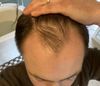
Using tretinoin with minoxidil can enhance hair growth results. Microneedling and ketoconazole shampoo are also used to improve scalp health and treatment efficacy.
Finasteride prices in Canada vary, with Costco offering lower prices compared to smaller pharmacies, and no membership is needed to access their pharmacy. Users discuss the cost-effectiveness of oral versus topical treatments, with some preferring oral minoxidil and finasteride due to fewer side effects.
The user saw no hair regrowth after a year of using finasteride and dutasteride, only maintaining their current hair. Many recommend adding minoxidil for potential regrowth.
Topical minoxidil with finasteride can help focus treatment on the scalp, with shedding being normal initially. Foam minoxidil is easier to apply, PRP's effectiveness varies, and anti-dandruff shampoos like ketoconazole are beneficial for scalp health.
A 22-year-old is concerned about a receding hairline and has been using minoxidil for 5 months without seeing new growth. Suggestions include continuing minoxidil for up to a year, considering finasteride, and possibly a hair transplant.
Clascoterone in Winlevi, a topical AR antagonist, is being re-examined due to concerns about HPA axis suppression in adolescents, but it's unlikely to be banned for adult use in androgenetic alopecia (AGA). The European Medicines Agency recommended refusing Winlevi for acne vulgaris, but this may not affect Breezula's approval for AGA.
The user is concerned about hair loss despite using finasteride and dutasteride, with no regrowth but stabilized loss. After a recent hair transplant, they are experiencing shedding and are unsure if it's due to shock loss or ineffective treatment.
The user experienced noticeable hair regrowth after three months of using topical minoxidil and finasteride, with no reported side effects. Other users discussed their experiences with similar treatments, including concerns about side effects and alternative options like dutasteride.
Ketoconazole shampoo does not significantly reduce systemic or scalp DHT levels and is considered a mild topical antiandrogen. Users discuss its use for scalp health rather than DHT reduction, with some preferring alternatives like dutasteride over finasteride due to perceived side effects.
The user is pleased with their hair improvement after 18 months using 1mg oral Finasteride daily and 5% topical Minoxidil spray twice daily. They are happy with the results despite some greying and are not considering a hair transplant.
Ketoconazole shampoo does not significantly reduce systemic or scalp DHT levels and is mainly used for its anti-fungal and anti-inflammatory effects. It is not a replacement for finasteride, which is recommended by some users despite concerns about side effects.
The user experienced significant hair regrowth using 1.25mg finasteride daily and 5% topical minoxidil nightly, with no major side effects or shedding. The progress is evident, especially around the temple area, and the user is hopeful for continued growth.
The conversation discusses hair regrowth progress using finasteride, with suggestions to add minoxidil and microneedling for better results. The user experienced noticeable improvement and plans to consider a hair transplant.
A 25-year-old male experienced hair regrowth after switching from topical minoxidil to a combination of topical minoxidil and oral finasteride, along with microneedling and multivitamins. He reported no significant side effects from finasteride, except mild discomfort, and emphasized the effectiveness of oral finasteride over topical solutions.
Stopping minoxidil can lead to significant hair loss, but resuming it may help regain hair. Users emphasize the importance of continuing minoxidil and finasteride to maintain hair health.
The user has been using dutasteride for 8 months and added oral minoxidil 1.25mg for 4 months, seeing improved hair density despite minor shedding. They are considering increasing the minoxidil dose to 2.5mg due to concerns about side effects.
The conversation is about an 18-year-old experiencing hair loss after using Minoxidil, with suggestions to add Finasteride to improve results. Users advise that Minoxidil alone doesn't address the root cause of hair loss, and combining it with Finasteride may help maintain hair growth.
A user shared their hair restoration journey after a botched transplant, highlighting successful results with 8000 grafts and 5mg oral minoxidil, while choosing not to use finasteride due to potential side effects. The user reported no side effects from minoxidil, except for extra body hair, and expressed satisfaction with the current results.
The user has been using oral finasteride and minoxidil for hair loss but is considering switching back to topical minoxidil due to persistent scalp issues. Another user suggests an anti-inflammation regimen and oral dutasteride.
A user shared their successful hair regrowth journey using oral minoxidil, dutasteride, and eucapil, with additional benefits from MTF hormone replacement therapy. They advised consulting specialists and considering individual responses to treatments.
The user experienced mental side effects from oral finasteride, such as brain fog and low mood, and switched to topical finasteride combined with minoxidil. They are monitoring mental clarity and hair progress after stopping oral finasteride.
Eucapil, containing fluridil, is used for hair loss but has impractical packaging. Some users find it effective for maintenance, while others suggest alternatives like anageninc with pyrilutamide.
A 40+ year-old male is experiencing tiny new hair growth after 2 months using topical Minoxidil, 0.5 Finasteride, red light therapy, derma rolling, Biotin, Vitamin D, and Fish oil. Another user advises waiting 6 months to a year for noticeable regrowth, noting that medications mainly maintain hair.
The user is experiencing less hair shedding and new hair growth after 57 days on finasteride 1mg and using a derma stamp. They are advised to use ketoconazole shampoo for scalp greasiness and consider adding minoxidil for better results.
The user is seeing slow hair regrowth using Minoxidil, Finasteride, a derma roller, vitamins, and zinc. Some suggest switching to dutasteride or adding other treatments, but others doubt significant cosmetic improvement due to advanced hair loss.
A 24-year-old considering a hair transplant is currently using dutasteride for hair loss. They are unsure about proceeding with the transplant due to concerns about future hair loss and the need to shave their head for the procedure.
The conversation discusses the difficulty of applying tretinoin 0.025% cream on the scalp and considers switching to a gel for easier application. It also mentions that a liquid solution, ideally combined with minoxidil, may be more effective for hair treatment.
The user is considering postponing a scheduled hair transplant to see if finasteride and minoxidil treatments improve hair growth. Another user suggests waiting several months to assess the effectiveness of the medications before deciding on surgery.
New hair loss treatments like PP-405, AMP-303, and SCUBE3 are being discussed, but none are confirmed to fully restore hairlines. Current treatments like Minoxidil, Finasteride, and RU58841 are still widely used, with some hope for future advancements in hair regrowth.
The user has been using 1.25 mg finasteride, 10 mg oral minoxidil, ketoconazole shampoo, and occasional micro-needling for hair loss, noting some regrowth, especially at the temples. Another user expresses relief and encouragement from the post, as they are starting similar treatments.