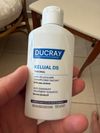
Hair loss discussion includes topical spironolactone treatment, used 1-2 times daily for 2 weeks with no changes yet. Minoxidil and Propecia caused nasty side effects for the user.
The conversation discusses the theory that finasteride-induced erectile dysfunction (ED) is related to blood flow rather than hormonal changes. The user suggests that lowering LDL cholesterol aggressively might improve ED symptoms for those on finasteride.
The user is frustrated with no hair growth despite using Finasteride, Minoxidil, Ketoconazole, derma rolling, head massages, Biotin, collagen supplements, multivitamins, and drinking a gallon of water daily. Another user mentioned that the original poster had previously reported significant progress.
A user is concerned about the best method to apply Minoxidil for hair loss, noting conflicting advice from doctors. Another user mentions that not massaging the liquid can cause it to drip, suggesting slight spreading with fingers.
Treatments used to prevent and treat male pattern baldness, the difficulty in finding a permanent cure for hair loss, and the potential financial motivations of companies not wanting to find a cure.
A 19-year-old experiencing mild hair loss plans to start finasteride and use Nizoral, avoiding minoxidil for now. Others share their experiences with finasteride, noting minimal side effects and advising against worrying about potential negative effects.
Botox injections may be more effective than finasteride for hair growth by reducing scalp tension. The discussion also suggests choosing FUE over FUT due to potential loss of scalp elasticity with FUT.
The potential risks and benefits of using Dutasteride as a hair loss treatment, compared to using Finasteride or other treatments like RU58841 or Accutane. People discussed their personal experiences with these treatments and shared advice on how to proceed.
The conversation discusses adding Nizoral (Ketoconazole shampoo) and castor oil to a hair loss regimen. Users suggest trying Nizoral due to its potential benefits and low cost.
The conversation discusses feelings of despair and low self-worth due to hair loss and other perceived physical shortcomings. The user expresses a lack of motivation and struggles with societal expectations, despite trying various self-improvement methods.
A new stem cell method for culturing hair follicles is being developed as an alternative to Minoxidil, finasteride, and RU58841. There are concerns about its cost and accessibility despite plans for commercialization.
Different treatments for hair loss, such as Finasteride, Minoxidil, Nizoral, Pumpkin Seed Oil, Saw Palmetto and PRP; the risks of using certain treatments; taking a break from this subreddit to cope with anxiety about hairloss; and potential benefits of maintaining confidence despite hairloss.
Male androgenetic alopecia is commonly treated with topical minoxidil and oral finasteride, both requiring continuous use. Other options include hair restoration surgery, dutasteride, light therapy, and camouflaging agents.
The user is experiencing chronic folliculitis with scalp sores and is concerned about a receding hairline. They have tried various treatments including antibiotics, Nizoral 2% shampoo, and lifestyle changes, but are seeking further advice.
The new Kirkland Minoxidil appears different, being more oily and lacking crystallization, leading to confusion about its authenticity. Users suggest ordering directly from Costco to ensure getting the genuine product.
The conversation discusses managing hair loss and scalp issues, with users sharing experiences using treatments like dutasteride, finasteride, ketoconazole, sulfur soap, and topical anti-androgens. Suggestions include trying sulfur soap, scalp massages, spironolactone, and dietary changes to reduce sebum production and dandruff.
The user has been using topical melatonin spray with finasteride and dutasteride to reduce hair shedding but dislikes the lavender scent of their current spray. They are seeking recommendations for a scentless or better-smelling melatonin spray.
The user switched from Hims spray to Happy Head dropper for hair loss treatment and experienced a bad odor and staining from the product. The product was past its expiration date, but a newer bottle had the same issues.
A user has been using Stemoxydine (Kerastase Cure Densifique) along with finasteride, rogaine 5% foam, nizoral, and revian red lllt for hair loss but needs a new Stemoxydine product since Kerastase discontinued theirs. They are seeking recommendations for a similar alternative.
The conversation is about hair care for someone who sweats daily at the gym. Recommendations include using shampoo every day despite common advice against it.
User can't find 2% keto shampoo in their area and asks about ketoconazole BP20. Replies confirm that 20mg/ml means 2% ketoconazole and BP stands for British Pharmacopoeia, ensuring purity and quality standards.
Use retin-a cream and maintain a good skincare routine to counteract skin issues caused by topical minoxidil. Taking sublingual minoxidil can also be beneficial.
The conversation is about the use of peppermint essential oil for hair loss, asking which type to use and how to apply it. One user reported using peppermint oil daily for six months without seeing any results.
The user experienced increased hair loss with topical finasteride and is considering switching to oral finasteride. Others shared mixed experiences, with some suggesting oral finasteride is more effective, while others noted individual results vary.
A 21-year-old is using oral dutasteride and topical minoxidil 5% to treat hair loss, noticing reduced shedding and new hair growth, especially around the hairline. They experience mood changes as a side effect of dutasteride and are hopeful about continued progress with this treatment combination.
PP405 is the most promising future treatment for hair loss, aiming to reactivate dormant hair follicles. Clascoterone 5% is the most promising near-term drug, while current strategies include using finasteride or dutasteride to stabilize hair loss and minoxidil to stimulate growth.
A 33-year-old male shared his 3-month progress using 1mg oral finasteride and 2.5mg oral minoxidil, along with supplements and serums, reporting thicker hair and new growth in thinning areas without side effects. Users suggested considering dutasteride or a hair transplant for better results, while others encouraged continuing the current regimen for at least a year.