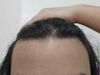
Hair loss treatments including Minoxidil, finasteride, and ketoconazole 2%. The user shared their progress pictures after using these treatments for one year.
The user "EscapeNo3518" shares their positive results after using topical minoxidil and dermarolling for almost 5 months. They also made changes to their hair washing routine. Another user asks about when the results started to show.
The user has been using finasteride for 18 months, minoxidil for 20 months, and recently added tretinoin, nizoral, and dermarolling to their hair loss treatment without success. They are seeking new suggestions for treating persistent hair fall and thinning.
The user has been treating hair loss for 5 years and currently uses 0.5mg dutasteride, 5mg oral minoxidil, and 10,000mcg biotin daily, experiencing the best growth in years without the side effects they had on finasteride. Suggestions from others include starting microneedling, with one comment noting minimal visible hair regrowth.
A group buy for testing a compound targeting Twist1 protein as a potential hair loss treatment. Inhibiting Twist1, which keeps hair follicles in growth phase, may prevent hair loss with minimal side effects.
Users discuss potential game-changing hair loss treatments in the next 10 years. Some mention KX-826, SCUBE3, and stem cells as promising options, while others express doubt due to past disappointments and lack of focused research.
A 26-year-old with extreme male pattern baldness saw hair regrowth after 6 months using Minoxidil, Finasteride, microneedling, Nizoral, a vitamin complex, biotin, and a shampoo with baicapil. Continuation of treatment is necessary to maintain results; stopping may lead to hair loss, making a hair transplant a potential future option.
User experienced significant hair regrowth with multiple treatments, but then had a brutal shedding period, losing progress. Others questioned the number of treatments used and potential side effects.
The conversation is about a user's positive experience with hair loss treatment using 1.25mg finasteride and 3-4ml minoxidil for nine months, and ketoconazole also helped. The user started noticing hair loss around age 23 or 24.
A hair transplant of 3361 grafts, 11.5 months after the procedure, that resulted in a very natural looking NW1 hairline; the person who underwent this procedure has not experienced any hair loss and is expecting to have no future hairloss either.
Finasteride treatment is being considered, and it's advised to track DHT, testosterone, estradiol, and SHBG levels to monitor hormonal changes. These tests will help understand the treatment's impact.
Significant hair regrowth was achieved using 1mg finasteride and 5% topical minoxidil over 14 months, with only initial shedding and mild scalp irritation as side effects. Consistency and early treatment are recommended for optimal results.
The user shared progress on hair loss treatment after one year on finasteride, with some use of microneedling, minoxidil, and ketoconazole. They plan to use microneedling with minoxidil more consistently for better results.
The conversation discusses hair shedding while using finasteride and topical minoxidil, with users sharing their experiences of losing 30-100 hairs daily in the shower. One user considers switching to dutasteride due to consistent shedding.
Switching from finasteride to dutasteride led to hairline regression and scalp issues for some users, prompting a return to finasteride. Users reported better maintenance and regrowth with finasteride compared to dutasteride, despite using oral minoxidil throughout.
The user started using 1mg oral finasteride a year ago and added oral minoxidil 3-4 months ago, experiencing no side effects except initial aching. They found oral minoxidil more effective for regrowth and easier than topical due to its toxicity to dogs.
Using a routine of 5% minoxidil, microneedling, and tretinoin for hair loss. The user seeks advice on the ideal weekly schedule for applying these treatments.
The conversation discusses hair loss treatments using finasteride, minoxidil, RU58841, and MN over 3.5 months. The user is planning a hair transplant for the following year.
A dermatologist refused to prescribe finasteride due to concerns about recent research linking it to male breast cancer, suggesting a topical alternative with minoxidil instead. The user is advised to seek a second opinion, as the evidence for such risks is inconclusive and the dermatologist's reasoning seems questionable.
The user started oral finasteride and minoxidil, along with topical minoxidil, and saw encouraging hair regrowth results after two months without side effects. Some users reported side effects like depression and low sex drive from finasteride, while others shared positive experiences with varying dosages.
The user has been using topical minoxidil, topical and oral finasteride, and oral minoxidil for hair loss but hasn't seen improvement after 7 months. Suggestions include continuing treatment, considering dutasteride, and consulting a dermatologist, as shedding from oral minoxidil is temporary.
The conversation discusses the use of dutasteride for hair regrowth, with the user planning to add topical minoxidil. The user reports improved hair strand quality and beard growth with dutasteride, while noting some side effects compared to finasteride.
The user experienced hair regrowth using minoxidil and finasteride but reported scalp itching, possibly due to the liquid form of minoxidil. They also use ketoconazole shampoo to manage flakes, which they clarify are not dandruff.
A 47-year-old used finasteride and minoxidil for a year without results and is concerned about whether it's too late to regrow hair. Another user suggests continuing the treatments and adding microneedling for potentially better results, emphasizing patience.
A 26-year-old male is considering starting the "Big 3" treatments for hair thinning, which include Minoxidil, finasteride, and RU58841, and is unsure whether to begin these treatments or consult a dermatologist first.
Microneedling for hair loss is discussed, with users mentioning using 0.6mm needles twice a week. Treatments like Minoxidil, finasteride, and RU58841 are implied but not directly mentioned.
The conversation discusses starting low-dose oral finasteride for hair loss, considering hormone levels and potential side effects like gynecomastia. Suggestions include using DIM for estradiol, vitamin B6 for prolactin, and lifestyle changes to optimize hormone profiles before starting treatment.
Dutasteride significantly reduces DHT levels, potentially more effectively than finasteride, and is used to treat hair loss. Some users report side effects like reduced libido and mood changes, while others experience hair regrowth and increased testosterone.