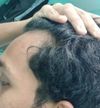
User began losing hair in 2006, used Avodart and got a hair transplant in 2012. They discuss the decline of hair loss forums and the shift to Reddit, which isn't ideal for long-form discussions.
The potential health risks associated with long-term use of finasteride and dutasteride, with some responses pointing out the low quality of the journal that published the review article as well as highlighting other alternatives such as keto or minoxidil, and RU58841.
Hair loss advice: get a shorter haircut and use hair building fibers like Toppik to improve appearance. User on big 4 treatments: Minoxidil, dermapen, Nizoral, and finasteride.
A user is experiencing mild hair loss and is hesitant to try finasteride due to potential side effects. They are considering using Research Verified Hair Growth, which contains various vitamins and minerals, and are seeking opinions and experiences from others.
A 30-year-old man with hairline recession is considering using 1% Clascoterone cream on his hairline while awaiting a 5% Breezula product. He has been using oral Minoxidil for four years but stopped using Finasteride due to side effects.
A user is seeking hair loss treatments without using systemic DHT blockers like finasteride due to side effects. Suggestions include clascoterone (not FDA approved), pyrilutamide, RU58841, and low-dose topical finasteride, with a recommendation to consult a doctor.
A user seeks a topical hair loss treatment without minoxidil, considering options like finasteride, dutasteride, caffeine, tretinoin, or prostaglandin analogues. Recommendations include products like Strut, Maximus, Zeuss, and custom formulas from compounding pharmacies.
A person struggling with hair loss is using treatments like dutasteride, oral minoxidil, and has had a hair transplant but remains deeply unhappy. Others suggest alternative treatments, acceptance, and focusing on other life aspects, emphasizing mental health and therapy.
A user shared their hair loss journey, using finasteride since age 18 and adding dutasteride at 30, which halted hair loss and promoted regrowth. They take finasteride daily and dutasteride three times a week, experiencing reduced libido and drier skin as side effects.
Peptides like GHK-Cu, BPC-157, and TB-500 have significantly reduced hair loss, with GHK-Cu being particularly effective. The discussion also covers the high cost of these peptides and explores more affordable purchasing options.
A 17-year-old is stressed about mild male pattern baldness and is considering treatments like minoxidil and finasteride but is concerned about starting finasteride too young. Users suggest starting with minoxidil and considering finasteride at 18, while emphasizing the importance of consulting a doctor and not obsessing over hair loss.
A 31-year-old man feels depressed due to hair loss, using topical finasteride and previously tried minoxidil. Others suggest treatments like finasteride, minoxidil, hair transplants, or embracing baldness, highlighting the importance of mental health and self-acceptance.
A 23-year-old male is experiencing rapid hair thinning and receding hairline, feeling emotionally drained. He has tried GFC, PRP, ketoconazole shampoo, and supplements without improvement and is considering minoxidil, finasteride, and possibly a hair transplant.
Celebrities often use hairpieces, transplants, or medications like Minoxidil to maintain their hairlines. Hair transplants require ongoing medication, and opinions on their success vary.
Finasteride is more accepted than hair systems because it is less visible and maintains natural hair. Treatments like minoxidil and finasteride are commonly used for hair loss, but opinions on hair systems vary.
A 21-year-old is experiencing severe hair loss despite using finasteride and minoxidil, and plans to try dutasteride. Others share similar struggles and suggest various treatments like RU58841, spironolactone, and hair systems, while emphasizing the emotional impact of hair loss.
Hair systems require frequent maintenance and can be costly, but a DIY approach with bi-weekly changes can help manage these issues. Minoxidil and finasteride were tried but not consistently used due to side effects and personal preferences.
A 25-year-old male using 1mg finasteride daily and 5% topical minoxidil twice daily noticed slight hair density improvement on the crown, less shedding, and no serious side effects except occasional mild discomfort. He uses Nizoral shampoo for itching and takes Vitamin D and Magnesium supplements, while maintaining a positive mental outlook and working on improving his sleep schedule.
A 24-year-old with early hair loss is managing it with finasteride, minoxidil, and dutasteride, and is considering using a hair system for more styling options while maintaining transparency. They emphasize confidence and self-expression over hair, viewing it as an amplifier rather than a foundation.
A drug that regrows body parts, but not hair, sparking debate on hair loss treatments. Discussions include the use of finasteride, dutasteride, and the potential for new methods to restore hair.
Hair loss affects mental health and self-esteem, causing anxiety and depression. Treatments like finasteride, minoxidil, and hair transplants help some, but others continue to struggle.
A 24-year-old started using finasteride for hair loss after hesitating due to potential side effects, and is considering a hair transplant. Other users shared their experiences with finasteride, minoxidil, and rosemary oil, discussing effectiveness and side effects.
Hair loss treatments like finasteride and dutasteride are discussed, with concerns about side effects such as depression and brain fog. Some users argue about the necessity and impact of DHT on libido and other bodily functions.
Hair loss affects mental health, with negative comments from others being common. Treatments like finasteride and minoxidil are used, and some focus on self-improvement and humor to handle societal judgments.
The user is experiencing thicker hair after using oral minoxidil, dutasteride, biotin, collagen shampoo with rosemary, and ketoconazole. They are considering adding a derma roller to their regimen for potential benefits.
Minoxidil is not an anti-androgen; it is a growth stimulator and does not lower DHT like finasteride or dutasteride. Minoxidil can cause side effects like facial swelling and anxiety due to its vasodilator properties.
PP405 is considered a promising hair loss treatment, potentially replacing minoxidil but not finasteride. Users are hopeful for future treatments like GT20029 and VDPHL01, while remaining cautious about effectiveness and side effects.
A user is considering using homemade hair sprays with ingredients like fenugreek seeds, rosemary, and lavender to promote hair growth, alongside topical minoxidil. Other users suggest that while these sprays may improve hair health, they are not as effective as minoxidil and finasteride for regrowing hair, and recommend using proven treatments like finasteride for better results.
A 30-year-old male has been on finasteride/dutasteride for 3 years, with stable but still receding hairline, and blood tests showing high total testosterone but normal DHT and free testosterone levels. Despite challenges in gaining muscle, he maintains a good physique with a consistent lifting routine and recently improved results with creatine.