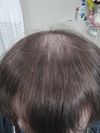
Balding can make dating more challenging, especially with superficial attitudes, but confidence and fitness can help. Some embrace shaving their heads, while others focus on self-improvement and acceptance.
User noticed beard and sideburn hair loss, and thinning eyebrows, diagnosed with alopecia barbae and male pattern baldness, and prescribed Desonide cream. User seeks feedback on Desonide cream.
A user on 1mg finasteride for a year has low estradiol levels but no significant symptoms, and others suggest monitoring without immediate concern. Some users discuss potential effects of low estrogen, like low libido, but the user reports no erectile dysfunction.
A 21-year-old is concerned about androgenic alopecia and has been using minoxidil for a year, noticing some stabilization in the hairline but fears using it on the whole scalp due to seborrheic dermatitis. Another person suggests considering a psychiatrist for stress management, using Nizoral shampoo, and possibly trying a small dose of finasteride.
Stress can trigger hair loss, with treatments like minoxidil, finasteride, and dutasteride being used to manage it. Some users report improvement with medications like Lexapro, while others emphasize the impact of stress and life events on hair health.
Soy consumption may help prevent androgenic alopecia, but it can decrease sexual drive in some men. There is a connection between soy and androgenic alopecia, suggesting a potential protective effect.
Low testosterone and estradiol may contribute to hair loss, and blocking DHT without sufficient hormone levels might hinder regrowth. The discussion highlights the importance of hormone balance, with some considering supplements and lifestyle changes to support hair health.
The user is experiencing sudden hair loss and is considering micro-needling, low-level light therapy, iron supplements, folihair, and Omega 3. They are hesitant to start finasteride, suspecting the hair loss might be due to telogen effluvium from a past COVID-19 infection.
The conversation discusses finasteride for hair loss, especially among those with a history of depression. Users shared mixed experiences, with some reporting no issues and others experiencing worsened depression.
The conversation discusses the struggle with diffuse hair thinning and the effectiveness of treatments like finasteride, minoxidil, and RU58841. Users share experiences of hair thickening and shedding stopping with these treatments, but results vary and some are skeptical.
The struggles of hair loss at a young age and available treatments, such as medication (Finasteride, Minoxidil, Dutasteride, Derma Rolling) and potential options for hair systems or cloning in Japan. People discussed their own experiences with trying to cope with the emotional aspects of this condition.
Finasteride and Dutasteride do not cause depression or mood disorders; hair loss itself may be a more significant factor. Some users experience side effects from Finasteride, but it is generally well-tolerated.
A user expressed distress over shaving their head due to hair loss before a job interview, feeling unattractive and depressed. Replies offered support, admiration for their bravery, and advice to embrace their new look with confidence.
The user is experiencing severe hair loss after starting Minoxidil 5% and is seeking advice, as their hair loss worsened following a second COVID infection. Despite normal hormone and vitamin levels, the user is considering additional treatments like Ketoconazole shampoo, massages, and low-level laser therapy.
User discusses using low dose topical finasteride without minoxidil for hair loss. Another user shares their experience with homemade 0.025% finasteride topical, shedding, and microneedling.
Corticosterone inhibits GAS6, affecting hair follicle stem-cell activity, with potential implications for stress-related hair loss. Ashwagandha and Vitamin K are suggested for reducing cortisol, but their effectiveness is debated.
A 20-year-old male experienced mental fog after resuming topical minoxidil for hair loss, questioning if it's due to interactions with antidepressants. Suggestions included trying a lower concentration of minoxidil or alternatives like copper peptides.
The user has tried various hair loss treatments including topical minoxidil, oral finasteride, oral dutasteride, oral minoxidil, and exosome therapy, but none have been effective. They suspect trichodynia might be preventing these treatments from working.
A 28-year-old in Turkey is experiencing hair loss, affecting his confidence and mood. He uses various supplements and shampoos, and is considering topical finasteride/dutasteride and minoxidil for treatment.
The conversation discusses DIY cosmetic procedures like PRP, mesotherapy, and micro-needling, with some users experimenting with Minoxidil, finasteride, and RU58841 for hair loss. It highlights a community of mostly older women performing these treatments themselves.
Hair loss can cause significant stress and anxiety, leading individuals to try various treatments like microneedling, hair transplants, and lifestyle changes. Some people find peace by accepting hair loss and focusing on other aspects of life, while others experience ongoing distress.
The user lost gym motivation after taking finasteride for four months, possibly due to its effect on DHT levels. Suggestions include adjusting dosage, trying topical treatments, using caffeine, checking testosterone levels, and considering supplements like SSRIs or pregnenolone.
User is depressed about hair loss despite using topical minoxidil for 5 months and topical finasteride for 2 months, with no improvement. Others suggest trying oral finasteride, seeing a specialist for dandruff and oily scalp, and being patient.
The user is experiencing severe hair loss after surgery and stress, with thinning all over the head, including the sides and neck. They are unsure if it's due to DUPA or alopecia areata incognita, and doctors have not observed miniaturization.
The user feels discouraged after three months of microneedling with no visible hair regrowth, despite using 5% topical minoxidil and 200mg of spironolactone. Others suggest waiting 12 months for results, checking vitamin D levels, and considering tretinoin or tazarotene cream instead of microneedling.
A 19-year-old male has been using topical finasteride and minoxidil for 8 months with no progress and is considering seeking a second opinion due to potential misdiagnosis. The discussion revolves around whether the hair loss is due to male pattern baldness, alopecia areata, or a vitamin deficiency.
A 24-year-old male is experiencing hair thinning and feels hopeless, considering treatments like finasteride and minoxidil but is concerned they might not work. He is also contemplating a dermatologist visit and is unable to afford a hair transplant.
Hair loss can cause psychological distress, but maintaining optimism and self-improvement is crucial. Treatments like minoxidil, finasteride, and potential new options like clascoterone offer hope, though side effects can occur.
The Shiseido/Replicel RCH-01 trial results were disappointing and ineffective. Users expressed skepticism and frustration, suggesting alternatives like Tsuji or simply accepting baldness.
The user is experiencing diffuse thinning and has tried treatments like topical and oral finasteride, oral dutasteride, topical minoxidil, microneedling, melatonin, and caffeine without success. Despite using these treatments for over four years, the user reports continued hair thinning and is considering trying RU58841.