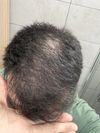
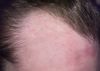
A 26-year-old is experiencing hair loss despite using minoxidil and dutasteride. Suggestions include shaving his head, trying oral minoxidil, or considering a hair transplant.
Finasteride and minoxidil are discussed as hair loss treatments, with mixed opinions on side effects like sexual dysfunction and mood changes. Some users report positive results, while others express concerns about potential risks and insufficient information.
A person in their 20s is struggling with hair loss, using treatments like minoxidil and finasteride. Suggestions include self-improvement, therapy, hair transplants, and focusing on acceptance and confidence.
A 43-year-old experienced gynecomastia after 20 years of taking dutasteride and 7.5mg oral minoxidil. Suggestions include consulting an endocrinologist, checking hormones, and considering Nolvadex or DIM supplements.
Post Finasteride Syndrome (PFS) is debated, with some users reporting severe side effects from finasteride, while others believe these effects are rare or psychosomatic. Treatments discussed include finasteride, minoxidil, and RU58841.
A user shared their 11-year experience with spironolactone and nearly 5 years with finasteride for hair loss, recently adding oral minoxidil and stopping birth control. Various treatments were discussed, including organic options, checking for underlying health issues, considering dutasteride, and the potential role of progesterone in hair loss.
Hair loss theory suggests imbalance between Vitamin D Receptor (VDR) and Androgen Receptor (AR) activation. Proposed treatment includes upregulating VDR, downregulating AR, and improving mitochondrial health.
A 30-year-old man is frustrated with hair loss despite using finasteride, topical minoxidil, ketoconazole shampoo, and PRP. Suggestions include trying oral minoxidil, dutasteride, RU58841, or considering a hair transplant.
Switching generic finasteride manufacturers can reduce side effects while maintaining effectiveness. Different fillers in generics may affect bioavailability and cause varying side effects.
A 27-year-old male experienced hair thickening using a specialized pill containing Dutasteride and Minoxidil, despite taking it irregularly due to being away from home. He plans to resume a more regular dosing schedule for better results, as he noticed side effects like brain fog and decreased libido.
A 35-year-old is seeking advice on hair loss treatments, considering minoxidil, finasteride, and possibly a hair transplant in Turkey. They have previously tried microneedling for a year.
Topical dutasteride is considered more effective for hair regrowth with fewer side effects than oral finasteride. Users have mixed experiences, with some preferring topical applications for reduced side effects.
The conversation discusses a user's positive experience with a hair loss treatment routine involving dutasteride, oral minoxidil, and Nourkrin Man, with no side effects reported. Other users share their experiences with similar treatments, discussing side effects like heart palpitations and depression, and offer advice on obtaining prescriptions affordably.
The user shared their hair loss treatment progress using topical products like exosomes, fluridil, Kx826, and topical dutasteride, avoiding oral finasteride and dutasteride due to side effects. They found exosomes from Creative Biolabs most effective and also used topical probiotics, noting improvements without significant side effects.
Improving diet and taking supplements like Biotin, B12, D3, iron, zinc, and protein can enhance the effectiveness of hair treatments. However, responses to treatments like Minoxidil and finasteride vary, and some users report no improvement despite a good diet.
The post discusses a user's hair regrowth journey from September 2020 to June 2023, using treatments like Finasteride, Dutasteride, and 5% Minoxidil. The user shares progress pictures, discusses the effects of the treatments, and answers questions about his routine and experiences.
User reports 2 months progress using daily oral fin 1mg, twice daily topical min 5%, and intermittent dermapen. Others share their experiences, suggesting patience and additional treatments like alternating shampoos, using conditioner, tretinoin, and vitamins.
The conversation discusses the importance of taking vitamin D with food for better absorption and its potential role in hair loss. Some users also suggest taking vitamin D with K2, getting sunlight, and using finasteride for hair loss treatment.
The conversation discusses the frustration over the unavailability of 2.5mg dutasteride soft gels, with some users suggesting higher doses for better scalp DHT suppression. Concerns about side effects and the necessity of DHT are debated, with some users advocating for alternative treatments like RU58841 and oral minoxidil.
The new OGX thick and full shampoo formula makes hair poofy and soft, ruining its previous thickening effect. The user is seeking old bottles of the original formula.
A 19-year-old trans man has been using Finasteride 1mg for a little over two months and is concerned about worsening hair loss, noting a fuzzy and soft hairline and crown. The user is upset as the hair loss appears worse than before starting the treatment.
A user has been taking 0.5mg oral Finasteride daily for 8 months and is unsure if fine, soft, colorless hairs are regrowth. Other users suggest trying oral Minoxidil for faster results and mention their own experiences with oral treatments.
Hair loss is worsening despite using finasteride, oral minoxidil, and rosemary oil, possibly due to stress, hormone changes, and environmental factors. Improvement was noted with a soft water filter, but recent stress may have exacerbated the issue.
The user has been using dutasteride, lymecycline, betamethasone, and minoxidil for hair loss but struggles with eczema and dry skin. They feel hopeless as no treatments or moisturizers have helped, and they are concerned about their appearance due to their soft facial features.
A 25-year-old woman with androgenic alopecia is experiencing hair dryness and damage after using topical minoxidil and Nizoral. She is advised to reduce washing frequency, use a bond builder like K18, apply a silicone-based serum, and consider using a shower filter and different oils like argan oil for better hair health.
Hair loss after telogen effluvium (TE) with thinning and possible scarring, treated with 5 mg oral minoxidil. Concerns about scarring alopecia and lack of regrowth, with suggestions to consider finasteride for better results.
RU58841 was the only treatment that slowed hair loss and reduced irritation for a DUPA sufferer after trying finasteride, minoxidil, and dutasteride with no success. The user continues using 6mg oral minoxidil, 0.5mg dutasteride, and an 8% RU58841 solution.
UCLA's PP405 shows promise in reactivating dormant hair follicles for hair loss treatment but is still in clinical trials. Minoxidil and finasteride remain common treatments until PP405 becomes available.
The user is 10 days post-hair transplant, pleased with the results so far, and hopes for increased density. The procedure was done at Vanity Hospital in Istanbul, with around 3400-3750 grafts used.