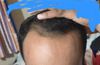
A user made a 70/30 ethanol/propylene glycol topical finasteride solution but noticed chunks at the bottom. The discussion focuses on this issue with the DIY hair loss treatment.
A user shared progress pictures showing significant hair improvement after using a topical 0.3% finasteride/6% minoxidil solution from January to June 2024. They experienced initial shedding but saw progressive improvement with daily evening application.
A user is seeking recommendations for a minoxidil and tretinoin topical solution, including dosage and purchase locations in the US. They are looking for effective hair loss treatments.
A user shared their 4-month progress using a topical solution with 5% minoxidil and 0.1% finasteride, applied twice daily. They reported good results despite occasional missed applications.
A user is seeking a recipe to create a topical solution using Minoxidil tablets, rosemary, peppermint, and possibly coconut oil. They are asking for specific amounts and mixing instructions.
A user is considering creating an all-in-one topical solution for hair loss, combining 0.25mg finasteride, 5% minoxidil, and 5% RU58841. They are seeking advice on its feasibility and absorption.
The conversation is about using Latanoprost 0.01% solution for hair loss and seeking success stories. It mentions that Latanoprost works differently from Minoxidil, Finasteride, and RU58841.
A user reported hair regrowth using a homemade topical solution of minoxidil and finasteride sourced from Pakistan, combined with microneedling, after experiencing hair loss with UK-based products. They claim a reduction in hair loss from 200-300 to 3-5 hairs a day and advise against spending money on branded products.
A user is considering using a topical Minoxidil solution with tretinoin and Azelaic Acid while taking oral Finasteride and is seeking advice on safety and effectiveness. They have been using Minoxidil for 10 years with mild results and oral Finasteride for a year with some positive changes.
A user is using a trichosol-based minoxidil solution to avoid scalp irritation and is asking if it should smell like ginger beer. They like the scent and want to confirm they have the correct product.
The user experienced headaches and brain fog with a topical solution containing Dutasteride, Minoxidil, Tretinoin, Fluocinolone, Latanoprost, and Caffeine. They are considering switching to oral or topical Finasteride to see if it alleviates these side effects.
The conversation discusses the use of hair systems as a solution for hair loss. Users share their experiences, highlighting the natural look, confidence boost, and maintenance requirements of hair systems, while also addressing concerns about cost, stigma, and potential drawbacks.
The conversation is about making a topical finasteride solution by dissolving crushed finasteride tablets in an alcohol-based hair treatment. Ingredients of the hair treatment include alcohol, water, and various plant extracts and preservatives.
The user reported progress with hair regrowth using a topical solution combining finasteride and minoxidil, but experienced scalp irritation which improved after adjusting the treatment. They are considering microneedling but are concerned about the risk of scarring.
User found hair loss stabilization without side effects using a topical solution of 0.008% Finasteride, 2% RU, and Stemoxydine. Other treatments like Eucapil, Fluridil, RU-monotherapy, and Pyrilutamide didn't work for them.
The user is attempting to create a topical finasteride solution by mixing crushed finasteride pills with minoxidil but is facing solubility issues. They are unsure if the finasteride has dissolved properly and are seeking advice on whether it is safe to use and if there is a solution to the problem.
A 21-year-old is using a topical solution with minoxidil and finasteride for hair loss, along with supplements and specific shampoos, and is considering switching to oral treatments if no progress is seen in a few months. They are concerned about diffuse thinning and potential future hair transplants, and are exploring additional treatments like microneedling and tretinoin.
A user who was losing their hair and found an effective solution; they asked for opinions on it and discussed treatments such as Minoxidil, Finasteride, and RU58841, as well as SMP.
A user is seeking recommendations for purchasing Minichek 5% solution, a PG-free minoxidil, due to a contact allergy to propylene glycol. They are looking for an affordable option comparable in price to Kirkland or Amazon brand minoxidil.
A user discusses their rapidly receding hairline and a prescribed topical solution containing 7% Minoxidil, 0.1% Finasteride, and 3% biotinoyl tripeptide. The solution is a custom compound from their dermatologist, costing $50 for a one-month supply.
Hair cloning is discussed as a potential future solution for hair loss, but it's not expected to be available soon due to high costs and technical challenges. Current treatments like Minoxidil, finasteride, and RU58841 are not mentioned in this conversation.
A user is considering using a 0.025% topical finasteride solution with DMSO to enhance absorption but is unsure about its effectiveness and safety. Other users express concerns about DMSO's properties and potential effects on the scalp.
User experienced gynecomastia from finasteride and found a solution using liposomal topical finasteride. This method minimizes side effects and is effective for hair loss treatment.
A user is seeking trusted sources to buy Minoxidil powder to create their own solution with Propanediol. The conversation focuses on recommendations for purchasing Minoxidil powder.
The user started a hair loss treatment with a topical solution containing 0.1% Dutasteride, 7.5% Minoxidil, 0.0125% Tretinoin, and Biotin, along with a multivitamin, Ashwagandha, CBD oil, Retinol, and Caffeine Solution. They experienced some shedding and scalp irritation, leading to a reduction in the use of the caffeine solution.
Accepting hair loss, with solutions discussed including Minoxidil and Finasteride treatments, shaving the head as a liberating experience, and using beards to make up for lack of hair.
A user shared a guide for mixing a topical spironolactone solution for hair loss, using ingredients like spironolactone tablets, ethyl alcohol, and propylene glycol. They compared it to the S5 cream, finding their homemade solution more practical and cost-effective.
A user suggests that a .25% topical finasteride solution could reduce scalp DHT levels without affecting bloodstream DHT levels, potentially avoiding sexual side effects. They question why a 2.5% solution was chosen and if a custom .25% solution can be ordered.
Setipiprant may help with hair maintenance but is not a guaranteed solution for everyone. Other treatments like minoxidil, finasteride, and topical spironolactone are discussed, with varying opinions on their effectiveness.
A 25-year-old is considering hair loss solutions, including buzzing hair short, using treatments like minoxidil and finasteride, or possibly a hair transplant. Medications are suggested to stabilize hair loss before considering a transplant.