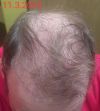
Finasteride likely does not significantly affect beard growth. Some users report slowed beard growth, but many maintain their beards without noticeable changes.
The conversation humorously discusses using anal administration of Dutasteride as a novel method for treating hair loss, suggesting it could target DHT production more effectively. It includes satirical comments about the method's potential effects and absurd outcomes.
A man is worried about telling his girlfriend he uses finasteride for hair loss. Most responses suggest it's not a big deal and advise being open if it comes up naturally.
Balding is challenging, and relying on medications like finasteride is often seen as a better option than constantly shaving or trying to compensate in other areas. Many feel that societal expectations to "own it" or drastically change oneself to cope with baldness are unrealistic and burdensome.
The conversation discusses dealing with hair shedding from oral minoxidil, with suggestions like using hair fibers, cutting hair shorter, or wearing a hat to manage appearance. It also touches on mental coping strategies and the potential benefits of combining treatments like finasteride or dutasteride.
The user struggles to cover their entire scalp with 1 ml of RU58841 while using dutasteride and oral minoxidil for hair loss. Suggestions include using a syringe for precise application, applying twice daily, and considering the use of more than 1 ml to ensure full coverage.
John Cazale's hairline showed strong recession at the temples but maintained solid volume and density, sparking discussion on different hair loss patterns and the importance of overall hair density. Treatments like Minoxidil and Spironolactone were mentioned as potential factors in maintaining hair, though genetics and styling were also considered significant.
Finasteride has been effective for maintaining hair density, but due to a slight dip in temple hair, the user switched to dutasteride as an additional measure. Users discuss varying experiences with side effects from finasteride, dutasteride, and minoxidil, highlighting that reactions can differ significantly among individuals.
Bald men in Mozambique are being targeted due to superstitions that their heads contain gold, leading to dangerous rituals. The conversation humorously discusses this belief and its implications.
Male pattern baldness can occur with or without an oily scalp, but an oily scalp and seborrheic dermatitis can worsen the condition. Treatments like finasteride, minoxidil, and ketoconazole shampoo are used, and managing diet and scalp care can help control symptoms.
Oral minoxidil is considered more convenient and effective for some users, with positive results reported, but concerns about side effects and availability persist. Finasteride remains a standard treatment, while some users explore combinations with other treatments like dutasteride and laser devices.
PP405 is a safer alternative to JXL069 for hair loss treatment because it penetrates the skin effectively and degrades in the blood, avoiding systemic toxicity. JXL069, when forced into the body, can cause dangerous side effects like lactic acidosis due to its inability to degrade safely.
The conversation discusses hair thinning and the potential role of vitamin D deficiency in hair loss, with suggestions to take vitamin D3 supplements. The user also mentions having diffuse thinning and a slightly receding hairline.
In Austria, finasteride prescriptions are restricted due to suicide risk concerns, with new prescriptions only for current users. Alternatives like topical finasteride, dutasteride, and online purchases face legal challenges.
The user experienced significant hair improvement after switching from topical to oral treatments, using finasteride, minoxidil, and biotin. They reported no major side effects, except for slightly thicker hair on their hands.
A 28-year-old male experiencing hair thinning is considering minoxidil and finasteride. Minoxidil helps regrow hair, while finasteride prevents further loss; both are usually lifelong treatments.
Stopping finasteride often leads to rapid hair loss, returning to a genetic baseline, as the drug temporarily halts hair loss and promotes regrowth. The discussion explores the complexity of hair loss, suggesting that factors beyond DHT, such as genetics and scalp conditions, may play a role.
After 3 months of using oral minoxidil and finasteride, the user experienced thicker hair and filled-in thinning areas, with no major side effects except an initial shedding phase. The treatments were prescribed online, and the user noticed results after 2.5 months.
A user experienced significant hair growth using oral dutasteride and minoxidil but developed severe erectile dysfunction, likely exacerbated by obesity and diabetes. They plan to lose weight and possibly adjust medication to alleviate side effects.
Using roll-on bottles for applying minoxidil and RU58841 improves application efficiency and reduces product waste. Topical treatments are used continuously, except on microneedling days.
A user experienced initial improvement with finasteride and minoxidil but is now losing progress and considering switching to dutasteride. Others suggest seasonal shedding, vitamin D deficiency, or trying dutasteride, while some share personal experiences with shedding cycles and treatment adjustments.
The user has been using foam minoxidil for 110 days and recently added topical finasteride to address hair loss, particularly at the crown, and is experiencing some baby hair growth at the hairline. They are considering adding tretinoin and are advised to be patient, as results can take up to 6 months, with consistency being key.
Hair loss is distressing, with treatments like finasteride, minoxidil, and spironolactone commonly used despite potential side effects. Emphasis is placed on maintaining mental health and self-worth beyond hair appearance.
Hair loss is influenced by scalp tension, stress, and environmental factors, not just hormones. Treatments like tretinoin, microneedling, scalp massage, and Botox can reduce tension and improve hair health.
Some users experienced side effects like low libido and erectile dysfunction with finasteride but found relief and hair regrowth with dutasteride. Others reported no issues with either drug, while some preferred dutasteride for long-term hair maintenance.
A 24-year-old shared their successful hair restoration journey, which included a hair transplant in Turkey, dutasteride, and topical minoxidil. They also started testosterone replacement therapy, which improved their quality of life and hair condition, and they now feel confident and satisfied with the results.
Exploring the idea of transplanting miniaturized hair follicles to healthier areas to potentially reverse hair loss, with concerns about DHT sensitivity and scar tissue formation. The conversation also humorously considers using mice for hair growth experiments.
The user replaced finasteride with saw palmetto due to availability issues and experienced side effects, leading to adjustments in their regimen. They use saw palmetto, minoxidil, Nizoral, and a dermaroller, reporting reduced side effects and some benefits, with hair fall ranging from 5 to 20 hairs daily.
The user has been using finasteride for hair loss since January 2023, initially seeing improvement but now experiencing increased thinning. They are considering other factors like thyroid and insulin resistance and are seeking advice from long-term finasteride users, while some suggest trying dutasteride, minoxidil, or consulting a dermatologist for further evaluation.