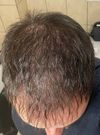
Creating a topical solution combining finasteride and stemoxydine to treat hair loss, and the discussion of whether 15mg of finasteride would be sufficient for 60ml solvent.
Travoprost may be more effective than minoxidil for hair growth and can be used alongside it, but its effectiveness is debated due to inconsistent dosing results. Travoprost is expensive and not widely used, with alternatives like latanoprost and bimatoprost being more accessible.
Topical spironolactone 5% is being discussed for its effectiveness in treating hair loss, specifically receding temples. The user is inquiring if it works similarly to finasteride as a testosterone blocker.
The user was rejected from participating in a clinical trial for an extended-release oral Minoxidil due to having rheumatoid arthritis, despite initially being accepted. They had stopped using Dutasteride and Minoxidil to qualify but continued using other treatments like RU58841 and red light therapy.
The user is considering combining finasteride and minoxidil tablets into a topical solution that already includes Garnier Fructis stemoxydine and CB0103. They are seeking advice on whether this combination is effective and safe.
The conversation is about applying tretinoin on the scalp for hair loss, with tips on mixing it with minoxidil foam and using a thin layer to avoid flaking and dryness. Suggestions include exfoliating with rosemary or coconut oil and wearing a hat for sun protection.
The conversation discusses hair loss treatments, focusing on the use of Minoxidil, finasteride, and triamcinolone. Concerns are raised about high concentrations of Minoxidil and the long-term use of corticosteroids.
The user is experiencing hair loss and has been using topical Minoxidil 5%, Keto 2% shampoo, and Tretinoin 0.025% for six months, with plans to start topical Finasteride 0.1% soon. They are advised to focus on DHT blockers like Finasteride and consider additional tests and supplements to address potential deficiencies and scalp health.
The conversation discusses various hair loss treatments, including minoxidil, finasteride, dutasteride, pyrilutamide, alfatrodial, and nizoral, with a focus on the potential of new treatments like gt20029 and breezula. There is optimism about novel treatments that don't have systemic effects, although skepticism remains about the effectiveness of some new drugs.
The conversation discusses the potential of a new hair loss treatment, GT20029, which targets androgen receptors in the scalp and is in phase 1 trials in China. Users express hope that this treatment will be more effective than current options like Minoxidil and Finasteride.
The conversation discusses hair loss treatments including finasteride, minoxidil, derma rolling, and tretinoin, with the user showing progress after five months. Tretinoin is mentioned to enhance the effectiveness of minoxidil.
Adding non-prescription topicals like alfatradiol and Zix to a standard fin/min/niz regimen may help with scalp inflammation and shedding, but their long-term effectiveness varies. Zix is recommended for reducing scalp inflammation and enhancing the effectiveness of other treatments.
The conversation humorously discusses the unfairness of hair loss, highlighting various treatments like finasteride, minoxidil, red light therapy, and experimental drugs, while contrasting with people who have great hair despite unhealthy lifestyles. The original poster mentions experiencing side effects from switching to oral finasteride.
The conversation discusses the effectiveness of anti-androgens for hair loss, with a preference for topical treatments like RU58841 over oral options due to better scalp concentration and fewer side effects. Topical finasteride at 0.1% may provide some results, especially when combined with a topical androgen receptor antagonist like RU58841.
Using topical finasteride alongside oral finasteride likely won't provide significant benefits and may increase the risk of side effects. The "4-in-1" spray offers a higher minoxidil concentration but may not be worth switching if oral finasteride is well-tolerated.
The user is experiencing diffuse thinning and inflammation despite using 2.5mg dutasteride daily, ciclopirox, and ketoconazole shampoos. They are considering treatments like hydroxychloroquine and JAK inhibitors due to suspected scarring alopecia and have faced challenges in obtaining a scalp biopsy.
Topical spironolactone is discussed for hair loss treatment, with mentions of DIY solutions and dermatologist compounding. Users inquire about regrowth and sourcing the treatment.
The conversation is about incorporating tretinoin into a hair loss regimen after using minoxidil and finasteride for years, with discussions on the effectiveness of minoxidil and the potential benefits of adding tretinoin. Users also discuss the effectiveness of oral minoxidil and other topical treatments like diclofenac and fluocinolone.
The conversation discusses using RU58841 with octopirox or essential oils for hair loss treatment. The user is seeking advice on which variation to try.
The conversation is about a user's progress in treating diffuse hair thinning using a topical regimen including finasteride, minoxidil, ketoconazole, microneedling, saw palmetto, collagen, and vitamins, along with lifestyle changes. The user plans to switch from topical to oral finasteride for potentially better results.
The user is currently using 0.025% Pantostin but plans to switch to 0.1% Alfatradiol. They will also use high-dose Kx826, high-dose Minoxidil, and aggressive microneedling for hair regrowth.
A user is using a Finoxidil topical spray and is curious if oral Finasteride would be more effective, considering they are already on a DHT blocker called Cyproterone. They are concerned about the potential impact of oral Finasteride on their transition.
Liposomal carriers for topical finasteride offer better targeting, reduced side effects, and less irritation compared to alcohol-based solutions, but availability and cost may limit their use. Minoxidil can dissolve in liposomal carriers, enhancing delivery and stability.
RU58841, oral and topical minoxidil, finasteride, and ketoconazole shampoo led to significant hair regrowth, though some suspect a hair transplant. Concerns about RU58841's side effects, like anxiety and heart issues, were discussed.
User experienced feminizing side effects from finasteride and tried RU, alfatradiol, and finasteride without success. They are now considering treatments like Stemoxydine, Zix, Minoxidil, Dermarolling, Eucapil, and a hair transplant.
The conversation discusses progress with a hair loss treatment regimen that includes once daily topical Finasteride, Pyrilutamide, and WAY-316606. Specific treatments for hair loss are being shared and discussed.
Clascoterone cream was submitted for review to Health Canada in August 2022, with hopes of approval within 3-6 months. It may potentially enhance finasteride's effects for hair loss treatment.
The user is considering combining 1mg oral finasteride with 0.1% topical finasteride due to reduced effectiveness after 5 years and is also using minoxidil twice daily. They previously tried dutasteride but stopped due to side effects and are hesitant to try RU58841.
Bimatoprost and latanoprost are being considered for scalp hair growth, with concerns about side effects like skin darkening and fat loss. A user warns about potential chemical burns from latanoprost.