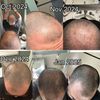
The user is using oral finasteride, minoxidil, and KX-826 for hair regrowth, noticing small improvements. They plan to add ketoconazole shampoo and consider a hair transplant with verteporfin after a year of treatment.
The conversation discusses hair regrowth progress using finasteride and minoxidil, with the user switching from topical to oral minoxidil. Some users express skepticism about the progress photos, while others note that younger individuals may respond better to these treatments.
The user experienced significant hair regrowth in two months using minoxidil foam and 0.5mg finasteride every other day, despite some side effects. They are considering adjusting the finasteride dosage and possibly adding biotin or dermarolling to their routine.
The conversation discusses the use of KX826 for hair loss, with mixed opinions on its effectiveness. Some users are skeptical, mentioning no significant progress or regrowth, and others suggest it might be a scam or that data may be manipulated.
High cost of studying 3α-Hydroxysteroid dehydrogenase in hair loss led to suggestions of crowdfunding for research. Users discussed using Procyanidin B2/melatonin topical treatment and tracking funds with blockchain.
The user started taking 1 mg finasteride daily in September 2024 and began derma stamping twice a week, noticing progress initially but now experiencing increased scalp visibility. They are considering adding oral or topical minoxidil to their routine for further improvement.
The conversation discusses a patent filed by Shiseido for cloning Dermal Papilla (DP) cells to treat hair loss. The method involves using viral vectors to maintain the cells' growth-inducing properties, differing from Replicel's approach with Dermal Sheath Cup (DSC) cells.
The user shared progress pictures showing hair improvement from using oral finasteride and topical minoxidil between September 2023 and May 2026. Responses express amazement at the results.
KX-826 shows promise for hair maintenance at higher doses with minimal side effects, despite failing Phase III trials. The user believes it is more effective than Minoxidil, Finasteride, and RU58841.
A female user's experience using Spironolactone to treat Female Pattern Hair Loss (FPHL) and Androgenic Alopecia, as well as discussing the effectiveness of the drug at different dosages.
Pyrilutamide/KX-826 is being discussed for its effectiveness in hair regrowth, with some users reporting positive results, especially in early hair loss cases. Users have combined it with treatments like Minoxidil, and some experienced initial shedding before seeing regrowth.
A 23-year-old is using 1mg finasteride daily and topical minoxidil nightly, seeing new hair growth after two months. Others share experiences and advice, noting progress and potential shedding.
The conversation is about receiving a shipment of Koshine, also known as Kintor, which is an anti-androgen treatment for hair loss. The user is eager to try the KX-826 product and observe its effects and any side effects.
A user's two-year progress using 1mg of oral finasteride daily and twice daily application of 5% minoxidil solution for hair loss. The user experienced temporary side effects but is pleased with the results, and another user warns about the importance of consistent use for maintaining results.
The post and conversation are about the user's experience with oral minoxidil for hair loss. Some users noticed increased hair density, while others experienced unwanted hair growth in different areas of the body.
TDM-105795 showed promising hair growth results, with higher efficacy than placebo and minimal side effects. It activates dormant hair follicle stem cells and may maintain gains without immediate loss, unlike minoxidil.
Dr. Kang-Yell Choi's company, CK Regeon, is developing a drug called KY19382 for hair regeneration, which involves creating fine wounds to activate stem cells. The drug is in the formulation development stage, targeting markets like the US and Korea.
The user is experiencing significant hair regrowth after 2.5 months using 1mg oral finasteride, 2.5mg oral minoxidil, 5% topical minoxidil, biotin, vitamin D3, fish oil, and weekly microneedling with a 1mm roller. They are considering switching to a derma stamp and are pleased with the results, despite some concerns about using both oral and topical minoxidil together.
The conversation discusses an interview with Dr. Tsuji about hair follicle stem cell multiplication and the financial challenges of starting human clinical trials. It also mentions the need for funding to secure a patent for a protein that promotes hair growth.
The user reports some hair regrowth after two months of using 1.5mm microneedling with Minoxidil and Nizoral shampoo. They note reduced pain and skin flaking, attributing changes to skin thickening and collagen induction.
Hair loss user increased oral minoxidil dose, causing more shedding. Uses 1mg finasteride, Lonitab, and Stemoxydine 5%, expects denser hair in a few months.
The user started using 5% topical Minoxidil in early November and noticed some hair growth, especially on the crown, and has just begun taking 1mg oral Finasteride. They plan to continue treatment and share progress updates.
A 22-year-old with high estradiol levels is considering starting finasteride for hair loss. They have an upcoming endocrinologist appointment to discuss whether they should proceed with the treatment.
The user is experiencing progressive hair thinning despite using finasteride and dutasteride. A biopsy confirmed male pattern baldness, and minoxidil was suggested as an additional treatment.
GT20029 showed significant hair growth and safety in phase II trials, with no adverse sexual events. Users are hopeful but concerned about future costs and systemic effects.
The conversation discusses the potential effectiveness of a Sult1a1 enzyme booster in enhancing the results of minoxidil for hair loss. Users express interest in the booster, hoping it will improve the effectiveness of oral minoxidil, especially for those who struggle with topical application.