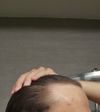
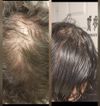
Hair loss discussion includes topical Spironolactone's effectiveness and minimal side effects. Community members share personal experiences and opinions on its use.
The conversation is about choosing between RU58841 and topical spironolactone for hair loss treatment. The user is currently using a topical solution with minoxidil, alfatradiol, and progesterone, and is concerned about side effects and effectiveness of both RU58841 and spironolactone.
The conversation is about a person's one-year progress using finasteride and minoxidil for hair loss, with intermittent use of RU58841, showing improved hair quality, density, and thickness without side effects. Users complimented the improved appearance and suggested the longer hair also enhanced their look.
A 32-year-old male started using a topical spray containing 0.01% finasteride and 6% minoxidil to combat hereditary male pattern baldness. He reports no side effects and is optimistic about potential hair regrowth.
The conversation discusses the impact of finasteride on sperm, including potential side effects like decreased ejaculate volume and total sperm count. Users share experiences and concerns about fertility tests before and after starting finasteride.
Oral finasteride is recommended over topical finasteride for men in the Indian subcontinent, with no reported side effects. Minoxidil and dermarolling are also suggested, while dietary supplements and topical finasteride are deemed less effective.
A user's experience with using a combination of Dutasteride, Finasteride, Minoxidil, Retinol and Caffeine as hair loss treatment before getting a hair transplant. The conversation includes various opinions on the efficacy and availability of this mix.
A 34 year old female with androgenic alopecia who has tried treatments such as Spironolactone, Desogen, Minoxidil and Finasteride in order to address her hair loss. It also details the experiences of other women taking Spironolactone for Female Pattern Hair Loss (FPHL).
Hair loss treatments discussed: Minoxidil, Finasteride, RU58841, and Spironolactone. Woman with androgenetic alopecia and alopecia areata shares experience using Spironolactone.
Dutasteride, RU58841, and topical minoxidil are effective for hair regrowth, with oral minoxidil showing mixed results. Some users report significant improvement with dutasteride and topical minoxidil, while others find oral minoxidil less effective.
The conversation discusses using minoxidil spray for hair thinning, with advice to use a dropper for better application. Many users recommend adding finasteride as a DHT blocker for more effective hair loss prevention.
A user is considering switching from regular 5% minoxidil foam to a compounded 5% minoxidil spray with added caffeine, melatonin, and tretinoin for easier application and potentially better results. Another user mentions that tretinoin can enhance minoxidil's effectiveness by converting it to its active form.
Switching milk brands cleared scalp inflammation and other symptoms, but hair shedding continues. The user hopes shedding will stop as hair cycles progress.
Combining Minoxidil with peptide serums like Redensyl, Procapil, and Capixyl is more effective for hair growth than using Minoxidil alone, increasing hair density and thickness. However, some users are skeptical about the effectiveness of peptides, suggesting other ingredients or factors might contribute to the results.
The conversation is about a topical spray containing finasteride, minoxidil, and tretinoin, with users discussing its effectiveness compared to more established brands. One user mentions using a product with 5% minoxidil, 0.15% finasteride, and 0.15% tretinoin.
The conversation is about a user considering switching to a 4 in 1 spray containing Minoxidil, Caffeine, Melatonin, and Tretinoin for hair loss after using a finasteride and minoxidil spray. The user recently switched to oral finasteride and is contemplating whether to continue using the remaining finasteride and minoxidil spray.
The user is exploring hair loss treatments in China, currently using finasteride and minoxidil, and is concerned about seborrheic dermatitis. Clinics are recommending selenium sulfide, doxycycline, and mesotherapy ampoules like PT88/PT66 or SP88/SP66, but the user is unsure about their effectiveness.
The user experienced significant hair regrowth after using minoxidil for 9 months and finasteride for 3 months, with plans to continue treatment and possibly get a hair transplant. Some users suggested adding microneedling and other treatments, while others discussed potential side effects of finasteride.
A 23-year-old is using a topical 5% finasteride/minoxidil spray, microneedling, and taking biotin and vitamin D for hair regrowth, noticing slight improvement but still experiencing thinning. They are considering switching to oral finasteride but are concerned about potential side effects.
The conversation discusses the potential for developing a biologic "DHT sponge" to neutralize DHT in the bloodstream as a treatment for hair loss, suggesting it could be more targeted and have fewer side effects than current treatments like finasteride and dutasteride. Concerns include the complexity, cost, and potential side effects of such a treatment, as well as skepticism about its feasibility and market interest.
The user has been using minoxidil for 6 months and has seen improvements but still has bald spots. They plan to consult a dermatologist to address their concerns.
A user is considering using homemade hair sprays with ingredients like fenugreek seeds, rosemary, and lavender to promote hair growth, alongside topical minoxidil. Other users suggest that while these sprays may improve hair health, they are not as effective as minoxidil and finasteride for regrowing hair, and recommend using proven treatments like finasteride for better results.
The user experienced scalp irritation from a Finasteride and Minoxidil spray and serum. They are considering switching to foam, oral treatments, or another provider.
Pelage is developing a topical hair follicle stem cell therapy, PP405, for non-scarring alopecias like androgenetic alopecia, with Phase III trials planned and a potential market launch by 2027. The treatment may not require continuous use after initial regrowth.
The user has been using a topical spray containing finasteride and minoxidil for six months but is experiencing increased hair shedding and concerns about its effectiveness. Suggestions include switching to oral finasteride and minoxidil, consulting a dermatologist, and checking for underlying health issues like thyroid function and nutrient deficiencies.
A sugar gel is claimed to spark hair regrowth, but users express skepticism, noting that minoxidil and finasteride remain the most effective treatments. Many users joke about frequent "breakthroughs" that work on rats but not humans, and some mention the potential of PP405 as a future treatment.
A user is starting a hair loss treatment with a 3-in-1 spray containing finasteride, minoxidil, and tretinoin. They are concerned about whether to continue shaving their head and how to determine if hair follicles are dead.
The user regrets not using medication after a failed hair transplant and is now using a combination of minoxidil, finasteride, derma rolling, oils, and ketoconazole shampoo to try to improve hair regrowth. They are seeking feedback on progress and considering further treatment options.
A user is experiencing hair regrowth after 2.5 months using dutasteride and a daily spray containing finasteride, minoxidil, biotin, and ketoconazole. They are optimistic about continued progress and have noticed new dark hairs forming.
The user is using topical dutasteride, minoxidil, and spironolactone for hair loss, with positive results after adding spironolactone. Another user takes oral spironolactone, dutasteride, and finasteride, noting decreased libido but no major side effects.