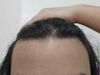
User LateNightCoffeeShop shared progress after 3 months using Finasteride, Minoxidil, and Derma-rolling for hair regrowth. Users discussed treatment frequency, effectiveness, and potential side effects.
A user shared their 3-month hair regrowth progress using finasteride, minoxidil, Redensyl, and a derma roller, along with vitamin and biotin supplements. They have seen significant improvement and regained confidence, despite initially losing hair due to seborrheic dermatitis and male pattern baldness.
CB-03-01, also known as Breezula, is being considered as an alternative to DHT blockers for hair loss. Users are discussing its effectiveness, potential regrowth, side effects like scalp irritation, and hormonal impacts.
PP405 from Everychem is likely fake and potentially harmful, with concerns about its stability and the risk of using the wrong MPC inhibitor, which could damage hair follicles. The real PP405 was studied under strict conditions, and DIY attempts are discouraged due to unknown formulation and quality control.
A user successfully regrew hair using oral finasteride (1mg daily for 3 years) and topical minoxidil (5% twice daily for 15 years) with no side effects. They highlighted the importance of consistency and patience, crediting finasteride for significant hair improvement.
The conversation is about the potential of SCUBE3 to regrow a juvenile hairline. Specific treatments mentioned include Minoxidil, Finasteride, and RU58841.
The user started using finasteride and minoxidil three months ago and reports new hair growth with no side effects. The regimen includes minoxidil foam 5% twice daily, finasteride 1.25 mg daily, and weekly microneedling.
Breezula's phase 2 showed reduced efficacy after 6 months, but phase 3 had positive results, causing confusion about any changes made to the drug. There is frustration over the long timeline for hair loss treatments, with some users expressing more interest in other potential treatments like GT-20029.
A 19-year-old male shared his 3-month hair regrowth progress using finasteride, minoxidil, and microneedling, with noticeable improvement. He uses 1mg oral finasteride daily, 5% minoxidil foam twice a day after day 80, and microneedles with a 1.5mm derma stamp every 1-2 weeks.
Minoxidil and finasteride have stabilized hair loss but not significantly improved regrowth. The user is considering dutasteride, oral Minoxidil, or a hair transplant for better results.
Amplifica starting clinical trials for new hair loss drug. SCUBE3 protein discovered, stimulates hair growth, could be alternative to Minoxidil and Finasteride.
The user is seeing positive results in hair growth using a combination of topical minoxidil, finasteride, microneedling, and keto shampoo. They also use a red light panel for collagen rebuilding and are happy with the progress.
The post discusses a hair loss treatment regimen including oral finasteride, topical minoxidil, a rejuvenating scalp serum with caffeine, rosemary, and ginger, topical ketoconazole, saw palmetto, and derma rolling. The user seeks advice for scalp pimples and irritation.
A user is considering switching to a topical treatment containing finasteride, minoxidil, and tretinoin, instead of their current regimen of oral finasteride and oral minoxidil. They are unsure whether to try the new topical or continue with their current treatment.
A user shared their 3-year progress using 1mg finasteride and 5% topical minoxidil twice daily, reporting significant hair regrowth and some side effects like bloating, seborrheic dermatitis, and water retention. The user is happy with the results, noting improvements in both the crown and hairline.
P5P supplementation helped reverse finasteride side effects, particularly by lowering prolactin levels and restoring sensitivity. The user experienced significant improvement within a day and full recovery in a few days.
A user shared progress pictures after 3 months of using finasteride, minoxidil, and a derma stamp, showing 2.5 weeks of hair growth. They reported no side effects and take 1 mg of finasteride daily.
The user experienced noticeable hair regrowth in three months using finasteride, minoxidil, and weekly dermastamping, while managing scalp inflammation with clobetasol. The user also uses a sea salt shampoo and rosemary conditioner to help maintain scalp health.
A user shared their 3-month progress using oral finasteride, topical minoxidil, and dermarolling for hair loss. Other users commented on the impressive results and asked questions about the treatments.
A 26-year-old male is considering starting the "Big 3" treatments for hair thinning, which include Minoxidil, finasteride, and RU58841, and is unsure whether to begin these treatments or consult a dermatologist first.
User shared a 3-month progress update on hair loss treatment using finasteride and minoxidil. They experienced initial shedding, thicker hair growth, and facial breakouts likely due to hormone changes.
A user's progress with using Minoxidil, finasteride, and microneedling to treat hair loss; another user mentioned a Japanese study that found better results for hairy individuals on finasteride.
A 33-year-old male has been using topical finasteride, Minoxidil, RU58841, keto, and derma stamp for hair loss treatment for 3 months. He is optimistic about the promising results.
A user shared their successful hair regrowth routine, which includes finasteride, derma rolling, minoxidil (Rogaine), biotin pills, and vitamin D supplementation, and saw noticeable results in 3 months. They suggest this routine as a variation of the "Big 3" hair loss treatments and have created a website to sell the products they used.
The user reported progress in hair regrowth after three months of using oral finasteride and minoxidil foam, despite initial doubts. They noted no side effects, a clean diet, regular weightlifting, and additional supplements.
User shared progress pictures after 3 months of using 1mg finasteride, 5% minoxidil, a dermaroller, and castor oil. They humorously commented on their results.
PP405 is moving to late-stage trials, showing potential for hair regrowth, with 31% of male patients experiencing a 20% increase in hair density. Veradermics is developing an oral minoxidil version, and there is interest in combining treatments for better results.
A 23-year-old is using oral dutasteride, topical minoxidil with finasteride, PRP, and microneedling for hair loss treatment over three months, showing noticeable progress. Some users suggest caution with hormonal treatments and discuss the cost-effectiveness of PRP.
A user in their early 20s is concerned about minor hair thinning and is considering a hair loss regimen involving PRP sessions, mesotherapy with dutasteride injections, and low-dose finasteride. They dislike minoxidil due to its greasiness and prefer a routine that is easy to maintain.