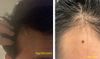
Hair loss treatments like Minoxidil, finasteride, and potential mRNA therapies are discussed. There is skepticism about targeting specific genes due to the complex genetic nature of hair loss.
Finasteride and dutasteride are discussed as preventative treatments for hair loss, with some advocating for early use and others concerned about side effects, especially before full maturity. Many regret not starting these treatments earlier due to their effectiveness in preventing or slowing hair loss.
A user has been on finasteride for 8 months with worsening hair thinning and is considering dutasteride. Others suggest adding minoxidil, maintaining a healthy lifestyle, and possibly trying RU58841.
Hair regrowth treatments like Minoxidil and Finasteride take a long time, often up to a year, to show significant results, and people should be patient. Many users express frustration with unrealistic expectations for quick results and emphasize the importance of consistency and patience.
Creatine may increase DHT levels, potentially causing hair loss in some people, though experiences vary. Treatments like finasteride or minoxidil are suggested to manage potential hair loss.
Scalp tension from the occipitalis muscle is theorized to contribute to hair loss, but most believe DHT and genetics are the main causes. Treatments like finasteride and minoxidil are considered more effective than addressing scalp tension.
A 24-year-old started using finasteride for hair loss after hesitating due to potential side effects, and is considering a hair transplant. Other users shared their experiences with finasteride, minoxidil, and rosemary oil, discussing effectiveness and side effects.
A 41-year-old man shared his two-year progress using finasteride for hair regrowth, noting significant improvement but wishing he had started earlier. He plans to add oral minoxidil to his routine despite concerns about potential side effects, emphasizing the importance of starting treatment early to combat hair loss.
The user is frustrated with hair loss treatments like finasteride, minoxidil, dutasteride, and oral minoxidil, which have been ineffective and caused scalp itching. They are skeptical about these treatments' effectiveness and consider alternative options like ketoconazole shampoo and RU58841.
Significant hair regrowth was achieved using 1mg of finasteride daily, 3ml of topical minoxidil, ketoconazole shampoo, vitamin D, and castor oil, with no side effects. Results appeared after two months, leading to discussions on treatment effectiveness and commitment.
A user reported significant hair regrowth using only 1mg finasteride daily over 3.5 years, with no side effects. They stressed patience and consistency, seeing noticeable results after two years.
Creatine does not cause or worsen hair loss, despite some anecdotal reports of hair thinning. The discussion emphasizes that these reports are not supported by scientific evidence.
A user reported significant hair regrowth after 3 months using 1mg oral finasteride, 1ml 5% topical minoxidil, and microneedling, along with biotin, vitamin D, iron, and zinc supplements. They are optimistic about continued progress despite initial skepticism.
Early hair loss causes emotional distress, and common coping strategies like fitness and fashion are inadequate. Treatments like finasteride, minoxidil, dutasteride, hair systems, and scalp micropigmentation were tried but were unsatisfactory.
Finasteride is generally seen as more successful for hair loss than Dutasteride, with fewer negative experiences reported. Dutasteride is considered more effective but often leads to more complaints, possibly due to higher expectations or improper use.
A user experienced significant hair regrowth using finasteride 1 mg daily for two years and gradually introduced dutasteride 0.5 mg daily over four months. They reported no side effects and plan to switch fully to dutasteride due to its cost-effectiveness and potential effectiveness.
Hair follicles are mostly dormant but can be reactivated with treatments like minoxidil, finasteride, and microneedling. A new drug, PP405, shows promise for hair regrowth but may not be available until 2027-2028.
A 20-year-old is experiencing aggressive hair loss and is using oral finasteride, topical minoxidil, tretinoin, rosemary oil, and dermarolling in an attempt to manage it. They are concerned about their appearance and future hair loss, seeking advice on additional treatments.
The user experienced significant hair regrowth using topical Minoxidil and oral Finasteride over five months, with darker and thicker hair and new follicles appearing. They are considering waiting 1-2 years before deciding on a hair transplant, as further improvement is expected.
Switching from finasteride to dutasteride can worsen hairlines for some, as experienced by the original poster. Finasteride worked better for them, and they suggest returning to it if dutasteride causes hair loss.
A 19-year-old using finasteride for hair loss seeks advice on additional treatments. Suggestions include microneedling, minoxidil, and ketoconazole shampoo, with concerns about side effects discussed.
A user stopped finasteride after 15 years due to severe side effects, which improved after quitting. They maintained most of their hair and are considering alternatives like topical treatments or RU58841.
The user experienced significant hair regrowth after nearly 7 months using 1mg finasteride daily and 5% minoxidil twice daily. They are considering adding microneedling to enhance results and are pleased with the progress so far.
PP405 is a potential hair loss treatment that may work by blocking signals that cause hair cells to stop growing, requiring daily application for effectiveness. It could serve as an alternative to minoxidil and finasteride, but it is not yet available on the market and may take several years to be released.
The user experienced successful hair regrowth with Finasteride and Minoxidil but developed erectile dysfunction and abdominal pain, possibly due to medication or lifestyle changes. They plan to consult a urologist and consider adjusting medication or trying supplements like zinc, DIM, or boron.
Hair transplants in Turkey can be risky due to unqualified practitioners and high patient volumes, but some clinics offer good results if researched properly. It's crucial to choose a reputable clinic and doctor, as experiences vary widely.
Switching from finasteride to dutasteride can worsen hair loss for some men due to increased testosterone levels. Topical treatments like RU58841 and Pyrilutamide are suggested to counteract these effects, but individual responses vary.
Wigs are considered a temporary solution for hair loss, with concerns about cost, maintenance, and social stigma. Many prefer treatments like finasteride, minoxidil, or hair transplants for more permanent results.
DIM is suggested to help with estrogen metabolism for those on finasteride or dutasteride, potentially reversing side effects like fat gain and mood changes. Some users doubt its effectiveness, recommending lifestyle changes or consulting a doctor instead.
Creatine may cause increased hair shedding in some individuals, especially those with androgenetic alopecia (AGA), despite its physical performance benefits. Many users report stopping creatine to reduce hair loss, while others believe the effects are anecdotal or due to other factors like increased physical activity.