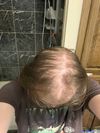
A 27-year-old male using Minoxidil, Finasteride, and dermarolling for hair loss shared blood test results and experienced side effects with Finasteride. Adjusting the Finasteride dosage helped reduce side effects.
A user reports high DHT levels despite taking finasteride and is concerned about inconsistent blood test results. They also take modafinil, vitamin D, and magnesium supplements.
High frequency ultrasonography and HR-MRI can help identify hair shedding causes like inflammation and fibrosis. The conversation discusses the potential of using these technologies to evaluate treatments like Verteporfin for hair regeneration.
The user has been on finasteride for 17 months and recently switched to dutasteride, sharing bloodwork results showing no side effects. They express a wish to have started treatment earlier to save their hair.
The conversation discusses whether finasteride's reduction of DHT and increase in scalp testosterone contribute to hair follicle miniaturization. Some participants argue testosterone does not cause miniaturization, while others suggest that even with reduced DHT, other androgens like testosterone may still contribute to hair loss.
The user experienced a significant drop in libido and erectile issues after increasing their finasteride dosage, combining oral and topical treatments. They plan to take a break and resume using a lower concentration of topical finasteride to manage side effects.
The conversation is about someone seeking advice on choosing between stem cell therapy and PRP for treating hair loss, asking for personal results, side effects, overall satisfaction, and recommendations from others.
Charts show how long Finasteride and Dutasteride stay in the blood, explaining why 0.5 mg Finasteride is less effective than 1 mg. Dutasteride accumulates over time, leading to gradual results compared to the immediate effects of Finasteride.
The conversation discusses a video about GT20029, a treatment for hair loss, and its comparison to KX826. Users express interest in the video's effectiveness and potential, and praise its informative content.
A 21-year-old male experiencing severe hair shedding despite using 1mg finasteride, 2.5mg oral minoxidil, and saw palmetto with pumpkin seed oil. He is seeking advice on whether this shedding is normal and if he should consider other treatments like dutasteride or RU58841.
Finasteride, Minoxidil, Bioneer CosmeRNA, Technoderma, Kintor, Hope, Breezula, and Follicum treatments showed increases in hair count, with Technoderma showing the highest increase at 24.3 hairs/cm². Amplifica has not yet published results.
Finasteride is effective in promoting hair growth and reversing hair miniaturization in men with androgenetic alopecia, with improvements seen in various studies over different durations. Some users report initial side effects like ball ache, which often resolve as the body adjusts.
Finasteride can reduce DHT in the genitalia, potentially causing side effects like reduced erections and penile fibrosis. Using PDE5 inhibitors like Tadalafil or Sildenafil may help maintain penile health and prevent fibrosis.
Finasteride, dutasteride, saw palmetto, caffeine, spironolactone, acetyltetrapeptides, tea tree oil, hydrocortisone, zinc pyrithione, latanoprost, melatonin, marine protein supplements, PRP, microneedling, and valproate are discussed as treatments for hair loss. DHT reduction and inflammation control are key strategies.
The conversation discusses the importance of scalp biopsies for diagnosing hair loss conditions like DUPA and Retrograde, which may not be just AGA. It emphasizes that treatments like finasteride and dutasteride may not work if the condition is autoimmune.
The conversation discusses hair loss treatments, focusing on Tsuji's hair cloning and Shiseido's RCH-01, with skepticism about their effectiveness on humans. It compares these to PRP, noting PRP's higher efficacy in studies.
The user is considering starting finasteride for hair loss but is concerned about potential side effects due to their estradiol levels being near the upper limit. They have consulted a doctor who confirmed their levels are okay to start the treatment.
The user experienced a significant drop in libido and energy after taking saw palmetto, which they believe caused these changes. They are seeking advice and reassurance, with some users suggesting that the effects may not be permanent and could improve over time with a healthy lifestyle.
Hair loss treatments Fin and Minoxidil failed for user. Suggested alternatives are 75mg oral spiro and RU58841, but concerns about low testosterone and self-esteem were raised.
Finasteride may affect prostate sensation and size, with some users reporting easier urination. Concerns exist about prostate shrinkage even at lower doses.
The conversation discusses concerns about Dr. Rassman's topical Finasteride, specifically whether it is liposomal or glycol-based. Dr. Rassman insists on providing the correct liposomal formulation and urges patients to contact him if they receive the wrong product.
The user experienced positive hair growth results after a year of using finasteride, initially taking 1mg daily but switching to a Monday, Wednesday, Friday schedule due to side effects like erectile dysfunction and watery semen. The side effects improved after switching to the reduced schedule, with normal erections returning within a month.
The user has been using a topical treatment combining finasteride, minoxidil, and caffeine for 9 months without noticing any changes and is inquiring about blood tests to check for finasteride resistance. They had their DHT levels checked, which were 54 ng/dl, and are planning to share progress pictures soon.
Discussing and researching different treatments for hair loss, including RU58841, Dutasteride, Spironolactone, Retin-A, Stemoxydine (Neogenic), Copper peptides, Superoxide Dismutase, NANO, and Eucapil.
RU58841 powder from a lab supplier was tested at a free drug testing service. The discussion includes using Minoxidil and finasteride for hair loss treatment.