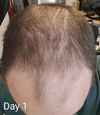
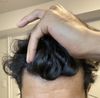
Eucapill 2% used for 1 month reduced shedding from 200 to 10/20 hairs daily with no side effects. Finasteride caused side effects like ED and watery semen.
The user started finasteride and experienced increased shedding for five months. They are concerned about how low vitamin levels might affect the shedding and effectiveness of finasteride.
A 36-year-old man shared his 1.25-year progress using oral finasteride, oral minoxidil, RU58841, microneedling, nizoral, and LLLT for hair regrowth. He is thrilled with the results and considering a hair transplant for increased density.
NAD⁺ precursors and EGCG may increase hair density, but users report mixed results with no significant hair gains. Some users suggest combining these with finasteride or dutasteride for better results.
A user in their 30s with male pattern baldness reported significant hair regrowth after starting a daily pill containing 2.5mg Minoxidil and 1mg Finasteride. They were initially skeptical but experienced no side effects and were pleasantly surprised by the results.
The user shared impressive hair growth results after 100 days using finasteride, minoxidil, biotin, and saw palmetto, and plans to get a hair transplant. The conversation includes suggestions for additional treatments like ketoconazole and derma stamping, and discussions about potential side effects of finasteride.
A 48-year-old man has been using finasteride at 1mg three times a week for two years, seeing some hair regrowth but noting lighting affects appearance. He is considering adding minoxidil but is concerned about shedding.
A 32-year-old male used 1.25mg oral finasteride daily and 1ml topical minoxidil twice daily for 24 weeks, experiencing improved skin and hair growth with initial side effects that resolved after three weeks. He plans to try dermastamping to address a stubborn cowlick area.
The conversation is about seeking non-medication hair loss treatments that don't affect fertility. Suggestions include microneedling and ketoconazole shampoo.
User experienced high E2 levels after taking finasteride and sought advice on lowering E2 with supplements like Tonkat ali, Fadogia, and Boron. They also used DIM, zinc, and magnesium but avoided using an AI.
A 35-year-old man, balding since 18, has seen growth of small, almost white hairs all over his scalp after 1.5 months on oral finasteride and minoxidil. Users suggest sticking with the treatment for a year, adding microneedling, and potentially trying RU58841 or dutasteride.
A user shared their 5-month experience using topical finasteride for hair loss, noting side effects like watery semen and puffy nipples, which led them to stop the treatment. They saw no significant hair improvement and have since switched to using minoxidil.
The user has been using 0.25 mg of finasteride daily for 5 months to address hair thinning and is seeking advice on whether to continue this regimen or adjust it. They have not used minoxidil and are considering whether finasteride alone can stabilize or improve their hair condition.
OP has been using daily oral finasteride 1.25mg for 5 months with noticeable progress and no side effects. They chose this dosage by cutting 5mg pills into quarters due to cost.
A user shared their 4-month progress using 0.25 mg finasteride daily for hair loss, reporting significant improvement and minimal side effects. Other users discussed their experiences with different dosages and side effects.
A 23-year-old is seeking advice on starting Finasteride for hair loss, questioning its effectiveness, side effects, and long-term safety, including concerns about dosage, alternatives, and potential impacts on fertility and beard growth. They also inquire about the effectiveness of combining topical and oral treatments and the necessity of Finasteride for maintaining hair transplant results.
The user is experiencing a lack of morning erections after using 0.5mg of finasteride every other day for two weeks and is considering whether to reduce the dose, continue, or stop. The discussion focuses on adjusting finasteride dosage due to side effects.
A 25-year-old male experienced significant hair regrowth after one year of using 0.5mg daily finasteride, with plans to add 1.25mg oral minoxidil and microneedling for further improvement. He also uses Nizoral shampoo weekly and reports no current side effects.
Dutasteride effectively stops hair loss but can cause side effects like sexual dysfunction, muscle mass changes, and testicle shrinkage. Adjusting the dosage may help manage these side effects, but long-term health effects remain a concern.
Minoxidil can initially cause hair shedding but often leads to increased hair count over time, with some users experiencing noticeable improvements within weeks. Combining Minoxidil with Finasteride may enhance hair health, though individual results vary.
Use finasteride or dutasteride with minoxidil for at least a year to improve hair density before considering a hair transplant. A transplant might be needed if medications don't provide sufficient regrowth.
A user is considering finasteride for hair loss and is concerned about its effects on DHT levels and potential side effects, including those from creatine. The user seeks advice on finasteride's impact on hair and body hair, given their high DHT and testosterone levels.
KX-826 Phase II results show that a 0.5% concentration performs better than 1% for treating male pattern baldness. Concerns about receptor upregulation from long-term DHT antagonism were mentioned.
A 25-year-old male shared his hair loss journey, using finasteride and oral minoxidil, which improved his hair density and quality. He also addressed dermatitis with exfoliation and anti-dandruff shampoo, and emphasized the importance of a healthy scalp and lifestyle changes.
A user diluted a Hims spray with Kirkland's minoxidil to lower finasteride concentration and has been applying it for nearly 3 months, noticing baby hairs at the temples. They also use a dermastamp, saw palmetto, and biotin supplements, and are seeking advice on their hair loss stage.
The user has been on finasteride for 17 months and recently switched to dutasteride, sharing bloodwork results showing no side effects. They express a wish to have started treatment earlier to save their hair.
Clascoterone phase 3 results show promising improvements in hair count, but concerns about high costs and lack of detailed data remain. Users compare it to existing treatments like Minoxidil and Finasteride, expressing skepticism about its accessibility and effectiveness.