A user made a 70/30 ethanol/propylene glycol topical finasteride solution but noticed chunks at the bottom. The discussion focuses on this issue with the DIY hair loss treatment.
There are no tests to determine genetic follicle sensitivity for hair loss, and conclusions are based on hypothetical or post-balding observations. Finasteride is mentioned as an easy, consistent treatment option compared to natural treatments.
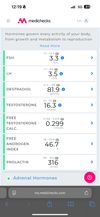
A person considering finasteride for hair loss checked their hormone levels before starting treatment. They are concerned about the potential increase in estradiol and its effects, as well as the impact on their sex hormone-binding globulin (SHBG) and free testosterone levels.
Finasteride's impact on fertility is discussed, with users sharing experiences of conceiving while on the medication. Concerns about long-term safety are also mentioned.
The conversation discusses whether finasteride's reduction of DHT and increase in scalp testosterone contribute to hair follicle miniaturization. Some participants argue testosterone does not cause miniaturization, while others suggest that even with reduced DHT, other androgens like testosterone may still contribute to hair loss.
A user is discussing making a DIY topical finasteride solution using ingredients like water, alcohol, propylene glycol, ethanol, and glycerin, and is concerned about the stability of the mixture. Other users suggest that the solution will work and discuss the importance of propylene glycol for drug dissolution and factors like temperature and light affecting finasteride stability.
A 25-year-old male experienced increased testosterone and estradiol levels after starting finasteride for hair loss, leading his doctor to suggest a testicular ultrasound as a precaution. The user questions the necessity of the ultrasound, considering it potentially excessive, while others suggest it could be a useful precaution to rule out any issues.
The user has been taking oral Finasteride and topical Essengen 6 Plus for hair loss and is experiencing increased depression. They plan to get bloodwork to check hormone levels and are seeking advice on which tests to include.
The conversation is about whether testing for free DHT is necessary before starting Finasteride for hair loss, despite having other hormone tests available. One person suggests that genetic response to DHT is more important than DHT levels and advises starting Finasteride without the free DHT test.
A user experienced a significant drop in testosterone levels after taking finasteride, leading to side effects like low libido and muscle mass loss. Despite its effectiveness for hair, the user decided to stop finasteride due to its impact on hormones, preferring to be bald.
A user's plan to use Zix and topical finasteride (5AR inhibitors) for hair loss, followed by blood testing before/after. The user has suggested creating a fund to cover part of the cost of their blood tests. Replies to their post discuss the effectiveness of the treatments.
A user asked if taking a blood test 3 days after starting finasteride would affect the results for Estradiol, FSH, SHBG, Progesterone, and DHEA-S. The conversation is about the timing of blood tests after beginning finasteride treatment.
The user experienced a significant drop in libido and erectile issues after increasing their finasteride dosage, combining oral and topical treatments. They plan to take a break and resume using a lower concentration of topical finasteride to manage side effects.
The user is concerned about high prolactin levels and low testosterone levels after stopping finasteride for three weeks. They are considering resuming finasteride but are worried it might further increase prolactin levels.
Finasteride can quickly raise estradiol levels by blocking DHT, allowing testosterone to convert to estrogen. Taking finasteride for just a few days can affect blood test results.
The user is asking about the safety of using RU58841 when trying to conceive and if others have had healthy babies after using it. They are seeking advice on how long to take a break from RU58841 before attempting to have a baby.
An 18-year-old is considering splitting 5mg Finasteride pills into 1.25mg doses to save money, but is concerned about potential hormonal fluctuations and side effects due to his age. Users advise caution, suggest consulting a doctor, and recommend considering lower or less frequent doses.
A 30-year-old man is considering quitting Finasteride due to sexual side effects, including reduced libido and difficulty reaching orgasm, despite its effectiveness in treating hair loss. He is exploring other factors like relationship issues and potential low testosterone, and is considering getting blood work done.
A user applied the 8T3 product for hair loss, targeting LPP and AGA, and plans to update on its effectiveness. The product uses a saline buffered phosphate vehicle, suitable for those intolerant to ethanolic vehicles.
Finasteride has no effect on the user's estradiol levels, and body fat may influence aromatization. The user is on testosterone replacement therapy and uses everyday injections to manage high RBC count, with plans to measure DHT, DHEA-S, and pregnenolone levels.
A user shared their baseline bloodwork results before starting Finasteride 1mg every other day, seeking comparison with others who have done similar tests. They are interested in any changes observed after beginning the treatment.
The discussion is about whether to continue reducing finasteride dosage with already low DHT levels. Treatments mentioned include minoxidil, finasteride, and RU58841.
The user got blood work to check hormone levels before starting Finasteride for hair loss and is seeking advice on interpreting the results. They are considering hormone levels in relation to potential side effects of Finasteride.
Finasteride treatment is being considered, and it's advised to track DHT, testosterone, estradiol, and SHBG levels to monitor hormonal changes. These tests will help understand the treatment's impact.
A 24-year-old male experiencing diffused thinning discusses his DHT levels and hair density issues. He has not used finasteride or dutasteride and is considering AR inhibitors.
A 29-year-old male has been taking 1mg finasteride daily for 8 months and using 5% minoxidil with tretinoin but is experiencing increased hair shedding and higher DHT levels. He is concerned about the effectiveness of finasteride and has noticed low libido and occasional ED.
A 23-year-old male experienced nipple sensitivity after taking 0.5 mg finasteride for 2.5 months, with blood tests showing increased testosterone and estrogen levels. He stopped finasteride temporarily and seeks advice to prevent gynecomastia.
A 21-year-old is experiencing aggressive hair loss and questions the effectiveness of finasteride after 45 days of use, with high DHT levels. A user advises that scalp DHT, not serum DHT, is important for hair loss assessment, and suggests monitoring hair improvement over time.
Mixing topical finasteride with essengen f and stemoxydine creates 0.25mg dose in 2ml. Minoxidil max suggests mixing 8.5ml essengen f with 60ml solvent for 0.25mg dose in 1ml.
The conversation discusses using topical liposomal finasteride for hair loss, with concerns about high DHT levels. The user's DHT level is above the normal range, which may affect hair health.