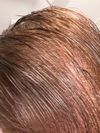
A user recommends a device from Amazon to apply minoxidil directly to the scalp without wasting it. Another user asks if it can be used with foam minoxidil.
The conversation is about a user who got a perm after successfully treating their thinning hair, with mixed reactions from others on the appearance. Specific treatments used are not mentioned.
A user shares their 11-week progress using 1mg finasteride, 5% minoxidil twice daily, 0.8mm dermastamping every 10 days, occasional tretinoin, and ketoconazole shampoo for hair regrowth. They plan to continue the treatment for 9 months before considering a hair transplant.
A 28-year-old male is concerned about hair loss and is considering starting oral minoxidil now and finasteride after having more children due to fertility concerns. He is worried about losing more hair if he waits four years to begin treatment.
The conversation is about a user sharing their 40-day progress using dutasteride, topical Minoxidil, keto shampoo, and dermapen for hair loss, seeking opinions on whether the results are real or a placebo effect. Most responses suggest it's too early to see significant results and recommend continuing the treatment for 6-12 months for noticeable changes.
The user is experiencing hair loss and has been using topical finasteride for two years without improvement. They are seeking advice on dosage, alternative suppliers, the risks of adding minoxidil, and other treatments without the side effects of oral finasteride.
The user has been using finasteride (1mg daily) and oral minoxidil (2.5mg) for 2.5 years to treat diffuse thinning hair, with no side effects reported. They are satisfied with the progress, noting that the treatment has slowed hair loss and costs about £30 a month.
A user shared their 4-year hair loss journey, highlighting that switching from topical to oral minoxidil and finasteride, along with dermarolling, significantly improved their hair growth. Another user mentioned using dutasteride, and the original poster emphasized the importance of dermarolling.
The user shared their hair transplant progress, using saw palmetto, vitamins, biotin, zinc, ginseng, ozonized olive oil, and a dermaroller with serum. They avoid finasteride due to trying for a second child.
A 20-year-old has seen positive results for hair loss after 4 months using 1 mg finasteride daily, minoxidil twice daily, and weekly dermastamping with a 1.5 mm needle. They also used ketoconazole shampoo initially and recommend starting treatment early.
The user shared a 6-month update on their hair loss treatment, using finasteride/minoxidil gel, ketoconazole shampoo, thickening shampoo and conditioner, and topical minoxidil. They wash their hair three times a week and switched to a less oily topical foam. Other users commented on their hairstyle, advising against it to prevent traction alopecia.
The conversation is about a person's experience with hair loss treatment using finasteride and minoxidil for a year, and then seeing improved results after adding RU58841. They suggest shaving the head before starting RU58841 to better track progress.
The conversation discusses the idea that ejaculation and oxytocin might cause hair loss. It mentions treatments like Minoxidil, finasteride, and RU58841.
Dutasteride is discussed as a treatment that makes hair loss impossible, with some users sharing experiences of hair regrowth and side effects. Finasteride and oral minoxidil are also mentioned as treatments, with concerns about side effects and effectiveness.
A 27-year-old man experienced hair regrowth and gynecomastia from finasteride, leading to a cycle of stopping and restarting the treatment. He is considering gyno surgery and consulting an endocrinologist as potential solutions.
The conversation discusses the use of finasteride for hair loss, with OP considering switching to dutasteride due to concerns about effectiveness. Users share experiences and concerns about side effects, including potential impacts on fertility.
Dutasteride mesotherapy is discussed as a potential treatment for hair loss, with some users suggesting it offers a slight boost when combined with oral minoxidil, though it's costly. Concerns about side effects and systemic absorption are noted, with alternatives like topical dutasteride and microneedling suggested for home use.
The user stopped finasteride for family planning but plans to restart it and is considering dutasteride. Users discuss the safety of finasteride during family planning, with some sharing experiences of having healthy children while on the medication.
The user has been using 1mg of finasteride daily for 5 months, noticing hair regrowth and thickening without significant side effects. They have not used minoxidil and plan to continue with finasteride before considering additional treatments.
A user expressed concern about using low-dose topical finasteride while conceiving, but was reassured that the risk of affecting a fetus is negligible. The user stopped using finasteride during pregnancy and switched to minoxidil and ketoconazole, while others shared experiences and advice on using these treatments safely.
A user shared their hair transplant update, having received 4,300 grafts and choosing not to use medications like finasteride or minoxidil due to potential side effects and personal reasons. Many commenters expressed concern that without these medications, the user might experience further hair loss, suggesting that preventative treatments are important for maintaining transplant results.
Stem cell hair restoration lacks scientific evidence and is often considered a scam. Effective hair loss treatments include hair transplants, Minoxidil, and Finasteride, but stem cell treatments are not proven.
A 20-year-old male using 1mg finasteride daily and 5% minoxidil twice a day for two months reported significant hair regrowth with no side effects. Users discussed the effectiveness of these treatments, the importance of consulting a doctor, and the potential for continued improvement over time.
Minoxidil and finasteride have not improved the user's hairline after a year. Suggestions include trying dutasteride, microneedling, or considering a hair transplant for better results.
The conversation humorously discusses using semen as a topical treatment for hair growth, with users joking about its effectiveness and comparing it to other treatments like finasteride. The tone is light-hearted and sarcastic, with no serious endorsement of the method.
A 22-year-old male experienced hair regrowth using an intermittent Dutasteride regimen, oral and topical Minoxidil, FolliHair AM/PM, and Salicia KT shampoo. He stopped Dutasteride due to side effects like dry eyes and skin, but noticed increased hair shedding after stopping.
A 31-year-old experienced significant hair regrowth using a combination of oral minoxidil, dutasteride, and topical treatments, with no side effects. They initially had issues with finasteride but found success with dutasteride, noting improved hair retention and no sexual side effects.
Minoxidil and spironolactone are used for hair regrowth, with visible progress noted. Spironolactone is discussed as a treatment option, particularly in the context of transitioning, with concerns about its effects on men.
The conversation is about a user defending their hair loss progress photos against accusations of being fake, explaining changes in hair color and texture due to dyeing and straightening. The user shares their treatment timeline, using dutasteride and minoxidil, and addresses side effects and skepticism from others.