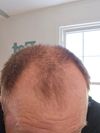
The conversation discusses using brewer's yeast for hair regrowth, either as a supplement or in a scalp masque. The user is considering adding it to their regimen.
The conversation is about finding a source for sterile dutasteride for mesotherapy to avoid side effects from oral 5AR blockers. The user is currently using microneedling and 0.01% topical dutasteride and plans to use transplants.
Balding scalps have more androgen receptors, leading to increased TGF-beta, which causes blood vessel loss and hair follicle miniaturization. Blocking androgen signaling and TGF-beta may help prevent hair loss.
A Swiss product called Redensyl, which is supposed to target hair follicle stem cells and has recently been marketed in Europe. The post inquires if anyone has had any experience with the product.
The user received trichotest results indicating finasteride is ineffective for them, and they plan to use dutasteride mesotherapy and add cetirizine to minoxidil. They seek advice on incorporating dutasteride into their regimen.
Stem cell therapy shows promise in treating hair loss by mimicking DHT-resistant cells from the back of the head. Traditional treatments like finasteride are also discussed, but stem cells could potentially offer a more permanent solution.
PP405 shows promise in hair loss treatment, but stem cell therapy using adipose-derived stem cells and ATP also successfully reversed androgenetic alopecia in mice. Stem cell therapy is costly, and some doubt the effectiveness of PP405 based on press releases.
A 26-year-old male considering a hair transplant is using topical finasteride and minoxidil, planning to start feminizing hormone replacement therapy (HRT) with estrogen and spironolactone. Many suggest waiting to see the effects of HRT, which may significantly regrow hair, before deciding on a transplant, and recommend adding microneedling and possibly switching to oral treatments for better results.
Androgenetic alopecia is affected by scalp DHT levels, not sensitivity, with treatments like finasteride and dutasteride aiming to optimize these levels. Personalized DHT management is crucial for effective hair growth.
A user experienced high estrogen levels after 10 months of taking 1mg oral finasteride but is happy with hair regrowth. They are considering switching to topical finasteride and are also taking DIM and Zinc supplements.
Switching from propylene glycol to glycerin in topical finasteride may reduce systemic absorption and side effects while maintaining local scalp DHT suppression. Concerns exist about glycerin's ability to deliver the full dose to hair follicles.
The user shared their 4-year hair regrowth progress using finasteride, minoxidil, estradiol, and spironolactone. They noted significant regrowth by the second year and additional benefits from estradiol and spironolactone.
The user received a Fagron TrichoTest indicating that Finasteride, Dutasteride, and Minoxidil are not effective for them, recommending Latanoprost, Spironolactone, IGrantine-F1 TM, and Trichoxidil instead. Other users expressed skepticism about the test's validity and suggested sticking with proven treatments like Finasteride and Dutasteride.
Female with PCOS experiences receding and thinning hair, wants dutasteride instead of spironolactone. Discusses desire to reduce DHT without losing libido.
DLQ01, a prostaglandin F2α analog, shows promise for hair growth by directly stimulating PGE2/PGF receptors without needing conversion, and can be combined with minoxidil and retinoids like tretinoin for enhanced effectiveness. Minoxidil's efficacy may be reduced by COX-1 inhibitors, but using prostaglandin analogs like Latanoprost or Bimatoprost can help maintain its effectiveness.
Hair loss affects confidence, with discussions on treatments like finasteride, minoxidil, and RU58841. Emphasis is placed on self-acceptance and building confidence beyond appearance.
Hair loss discussion mentions using estrogen mixed with growth stimulants like oral minoxidil for scalp hair growth. Idea proposed for an artificial SARM-estrogen that only affects hair without body side effects.
A user in their early 20s is concerned about minor hair thinning and is considering a hair loss regimen involving PRP sessions, mesotherapy with dutasteride injections, and low-dose finasteride. They dislike minoxidil due to its greasiness and prefer a routine that is easy to maintain.
Pregnancy can temporarily reverse hair loss in women, but attempts to mimic pregnancy hormones with treatments like contraceptive pills, spironolactone, estradiol, progesterone, finasteride, and minoxidil have been ineffective. The discussion highlights the need for research into the hormonal mechanisms of pregnancy that affect hair regrowth.
Stem cell-related treatments and drugs like RCGD423 and WAY are being tested for hair growth. Clinics are conducting tests on patients who haven't had previous treatments.
The conversation discusses an extensive hair loss treatment regimen including dutasteride, GT20029, RU58841, pyrilutamide, minoxidil, microneedling, ketoconazole shampoo, and experimental compounds. The user humorously describes their approach as a comprehensive strategy to combat hair loss while maintaining hair growth.
The conversation humorously discusses hair loss treatments, mentioning spironolactone and cyproterone acetate. It reflects a sense of frustration and satire about the effectiveness of these treatments.
Finasteride can cause gynecomastia, which may be reversible by stopping the drug and using selective estrogen receptor modulators (SERMs) like tamoxifen. Lifestyle changes such as weight loss and avoiding alcohol can also help, but surgery may be needed if the condition persists.
The user is experiencing erectile dysfunction and decreased sperm quality from using Dutasteride for hair loss and is considering stopping it to improve fertility. They are exploring other treatments like Viviscal Men, Minoxidil, Revlan Red System, Fluridil, Nizoral, Stemoxydine, and Eucapil.
The conversation discusses the potential of GT20029 to stop hair loss and possibly regrow hair, considering the body's regenerative abilities. No specific treatments were mentioned due to the original post being removed.
A 17-year-old is addressing hair loss with finasteride, topical minoxidil, and microneedling. They are considering adding GHK-Cu to their regimen, but others advise caution with finasteride due to age.
The user is hesitant to use finasteride due to potential hormonal side effects and is waiting for the release of pyrilutamide, a new hair loss treatment. Other users suggest trying finasteride, warning about potential regret if hair loss progresses in the meantime.
The user is using spironolactone for AGA and is concerned about obtaining it in the U.S. without a prescription. They are seeking advice on how to get a prescription in the U.S. as an immigrant.