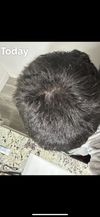
A woman who is considering giving up on her hair loss journey after trying minoxidil and spironolactone, but other posters offer words of encouragement and suggest the use of wigs.
A 22-year-old is using dutasteride and oral minoxidil for hair loss but is not seeing improvements and is considering adding pyrilumatide and microneedling. Suggestions include trying topical minoxidil, microneedling, and Nizoral shampoo, with a possible future hair transplant.
The user is using 5% Minoxidil, a 1 mm derma stamp, Vitamin D3, Zinc, and anti-dandruff shampoo for hair regrowth. They plan to consider DHT blockers like finasteride in the future.
The user switched from oral to topical finasteride with minoxidil after a hair transplant and is experiencing increased hair growth in unexpected areas like eyebrows and sideburns. They are seeking feedback from others with similar experiences.
Hair loss and potential treatments, primarily focusing on Finasteride and Minoxidil. Other solutions discussed include PRP, dermarolling, LLP, and scalp tension relief.
Addressing hair loss by focusing on posture, blood flow, and craniofacial development. Methods include improving posture, cardiovascular activity, scalp massages, healthy diet, meditation, using minoxidil, and addressing craniofacial issues.
Exploring hair loss treatments, with a focus on Finasteride and RU58841 as well as other topical solutions like stemoxydine 5%. The user found that they were sensitive to both oral and topical finasteride, but remain optimistic about finding the right treatment.
Hair regrowth and gender transition using finasteride, estrogen, and spironolactone. Significant hair regrowth and personal transformation were achieved through hormone replacement therapy.
A 26 year old female with PCOS who has been dealing with hair loss for several years, despite managing her hormones and taking vitamins. She has tried various treatments such as Nizoral, Minoxidil, Pyrithione zinc, coal tar and salicylic acid to no avail. The user is looking for advice on what else they can do to stop their hair loss.
A user experienced telogen effluvium due to stress and was prescribed oral minoxidil and spironolactone, which initially worked. After stopping and restarting minoxidil, they experienced shedding but saw regrowth after discontinuing it again.
The user is experiencing painful side effects from finasteride and is considering switching to oral minoxidil and biotin to maintain their hair. They are seeking advice on whether this change would help preserve their current hair.
A non-binary transfeminine person experienced significant hair regrowth after starting finasteride, minoxidil, microneedling, and hormone replacement therapy with estradiol. They encourage trans individuals concerned about hair loss to consider estrogen as it has greatly improved their hair condition.
The user is using a hair regrowth protocol including dutasteride, topical and oral minoxidil, dermarolling, ketoconazole shampoo, and tretinoin, but is experiencing slow progress and seeks advice for faster regrowth. Suggestions include quitting smoking, adjusting the regimen, and considering additional treatments like topical finasteride or RU58841.
Prostaglandin balance affects hair loss, particularly in conditions like Lichen Planopilaris, where an imbalance can lead to hair follicle damage. Treatments mentioned include prostaglandin analogs and Pioglitazone HCL, with a focus on maintaining prostaglandin equilibrium for potential hair regrowth.
The user is experiencing positive hair regrowth results after 3 months using finasteride and minoxidil both orally and topically, along with biotin and ketoconazole. They also use a shampoo containing caffeine and biotin.
Someone asked if Stemoxydine is effective for hair loss and if it improves hair growth or thickness. They also requested safe purchasing sources due to concerns about counterfeit products.
A 23-year-old is using a topical 5% finasteride/minoxidil spray, microneedling, and taking biotin and vitamin D for hair regrowth, noticing slight improvement but still experiencing thinning. They are considering switching to oral finasteride but are concerned about potential side effects.
A person is treating their hair loss with oral minoxidil (2.5mg), derma stamping, and dutasteride (0.5mg) for nearly a year but still feels their hair isn't dense enough to grow out. Commenters are generally supportive, noting progress and suggesting it may look denser than the person perceives.
A user shared their positive experience with a crown MicroFUE hair transplant at Boston Hair Restoration, highlighting the smooth procedure, minimal pain, and significant growth over 12 months. They used oral minoxidil, finasteride (transitioning to dutasteride), PRP sessions, and a LaserCap, achieving excellent results and full confidence.
The conversation discusses using shou wu chih or fo-ti/he shou wu for hair loss, with OP noticing stiffer beard and body hair. A user warns about potential liver damage from fo-ti and questions the effectiveness of alternative medicine.
The user aims to achieve a hypertrichosis look and has used topical Minoxidil for 20 years, now trying oral Minoxidil in a low dose. They seek alternatives to Minoxidil to avoid side effects.
A 17-year-old is concerned about hair thinning and unable to see a dermatologist for a year. They are advised to consider using topical minoxidil and possibly finasteride in the future.
Rosemary essential oil, particularly cineole, is considered by some to be beneficial for hair growth, though its effectiveness compared to minoxidil is debated. Finasteride, minoxidil, and ketoconazole shampoo are recommended treatments, while oils like rosemary and peppermint are seen as supplementary for scalp health.
A person experienced hair regrowth after reducing testosterone levels and using saw palmetto tincture and Alpecin shampoo. Other users suggested treatments like Nizoral shampoo, Aldactone, and supplements for hair loss.
PP405, a topical LDH inhibitor, has shown to stimulate hair follicle stem cell proliferation in humans with moderate hair loss. They are advancing to more detailed trials this year.
A 42-year-old user shared a 4-month update on their hair regrowth using a "nuclear stack" including oral and topical minoxidil, dutasteride, RU58841, micro-needling, keto shampoo, saw palmetto, biotin, multivitamins, scalp massages, and inversion table. They reported significant progress with minimal side effects and plan to continue the routine.
The user is using dutasteride and minoxidil foam for hair regrowth, applying minoxidil once daily due to side effects from the liquid form. They plan to increase dutasteride dosage and possibly apply minoxidil twice daily, while also using ciclopirox olamine shampoo and sulfur soap.
The user is using topical finasteride 0.3% and minoxidil 5% for hair regrowth, along with dermal stamping, zinc, fish oils, and biotin. They report some regrowth and shedding, with no significant side effects.
The conversation discusses the effectiveness of an eyebrow serum containing Myristoyl Pentapeptide and Biotinoyl Tripeptide for hair growth. The user seeks information on other topical products with similar peptides for hair growth.