Amplifica's progress on Scube3 is unclear, with no recent updates. The conversation also mentions Minoxidil, finasteride, and RU58841 as hair loss treatments.
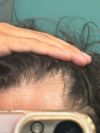
The user has been using a hair solution with 0.3% finasteride and 5% minoxidil, along with microneedling, but is experiencing more thinning on one side. Suggestions include checking application techniques and ensuring microneedling is not overdone.
Microneedling combined with minoxidil may promote hair regrowth, with some users reporting success using a 1.5mm dermaroller twice a week. Others have seen results with minoxidil alone or by increasing microneedling frequency.
Microneedling can cause sneezing and eye tearing due to nerve stimulation, particularly near the temples and forehead. Some users find it lessens over time, while others prefer using finasteride and minoxidil for hair growth.
User discusses topical liposomal finasteride for hair loss, hoping to avoid breast growth side effect. Conversation includes using minoxidil, fluridil, and dermarolling, and mentions minimal systemic absorption of liposomal finasteride.
PRP treatments have been effective for the user, with a new recommendation of using a high-quality plasma kit once a year. The user seeks experiences with this specific PRP approach.
The post and conversation discuss different methods of applying hair loss treatments directly to the scalp. The original poster suggests using a 1ml TB Syringe & Ophthalmic Cannula for precise application, while others share their own methods, including sprays, droppers, and simple syringes.
The conversation discusses microneedling for hair loss, focusing on optimal needle depth and frequency. Users report varying practices, with some using Minoxidil after microneedling and others suggesting different depths and frequencies based on personal tolerance.
The conversation is about optimism for new hair loss treatments like Stemson's bioengineering, osteopotin, SCUBE3, GT20029, and Verteprofin, and inquires about other notable treatments.
The conversation discusses the effectiveness of Regenera Activia stem cells versus Cellgenic exosomes for hair loss treatment. The user has been using topical minoxidil 5% and 0.001% estradiol for a year without results.
The user regrew their hairline using mechanical stimulation, including a 1.5mm derma roller weekly, daily scalp massages, and other treatments like Nizoral, zinc pyrithione, fish oil, and Lipogaine The Big 5. They did not use Minoxidil or finasteride.
A user sharing their progress after using Fin, Minoxidil, keto diet, and microneedling for two months to attempt to regrow hair on bald temples. Other users replied with advice and support.
A 22-year-old female with AGA due to PCOS is using 5% minoxidil foam and 2mg finasteride daily, and is seeking advice on microneedling frequency and safety. Concerns about finasteride dosage and its effects on PCOS were discussed, with emphasis on trusting the prescribed treatment plan.
OP injured their temple using derma rolling and tretinoin, causing peeling and potential hair follicle damage. Users suggest the injury might be permanent, possibly resulting in scar tissue where hair won't grow.
A user trying various treatments for hair loss, such as minoxidil, stemoyxidine, alfatradiol, and microneedling, with plans to add tretinoine and finasteride.
The conversation discusses Scube3, a seemingly new and obscure treatment for hair loss, with limited information available and a link to a patient intake form.
The user shared progress pictures after 5 months of using 1mg finasteride, weekly 1.5mm microneedling, and daily 2mg copper peptide injections. They discussed their hair loss treatment and results.
The conversation discusses changes in scalp texture and appearance in areas of hair loss, with concerns about the suitability of these areas for hair transplants. Users mention issues like fibrosis, inflammation, and thinner skin, advising caution and consultation with clinics before proceeding with transplants.
A user is concerned about a growing thin spot on their boyfriend's head despite using Rogaine, Vitamin K, Vitamin E, Biotin, and Ubiquinol. Another user suggests starting finasteride, minoxidil, and dermarolling for better results.
The user is experiencing hair regrowth using daily 5% minoxidil and weekly microneedling, and plans to add finasteride soon. They are considering the effectiveness of once-daily minoxidil and adjusting microneedling needle size.
A user who was losing their hair and found an effective solution; they asked for opinions on it and discussed treatments such as Minoxidil, Finasteride, and RU58841, as well as SMP.
Stem cell-related treatments and drugs like RCGD423 and WAY are being tested for hair growth. Clinics are conducting tests on patients who haven't had previous treatments.
Microneedling with minoxidil and finasteride greatly improves hair regrowth. Using 0.5mm depth every other day boosts minoxidil absorption without side effects.
CB-03-01 is considered a failed treatment for hair loss, with future hopes pinned on PP-405 and GT-20029, expected by 2030. Alternatives like hair transplants and SMP are discussed, while some users express frustration over the slow progress of treatments like Breezula.
Hair loss treatments discussed include dermarolling, minoxidil, finasteride, and RU58841. Some users find dermarolling sad, while others mention the complexity of biological systems and limited research funding for hair loss.
The user reported noticeable hair improvement over four months using 1 mg of finasteride and weekly microneedling. Progress photos from October 2024 to January 2025 show positive changes.
Folligenz liposomal minoxidil sulfate is being discussed for its effectiveness and cost, with users comparing it to regular minoxidil and tretinoin. One user found no difference with the 10% version and noted that a lower tretinoin percentage reduced side effects like skin peeling.
The user is experiencing potential hair regrowth after 4 months of using a minoxidil and finasteride topical spray combined with microneedling 1-2 times a week. They notice some scalp redness and irritation but are unsure if the increased hair density is due to regrowth or longer hair.