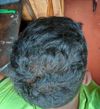
Hair loss discussion includes treatments like Minoxidil, Finasteride, and RU58841. Users share experiences and support, mentioning that many people face hair thinning.
The conversation discusses hair regrowth progress using topical dutasteride with cetirizine, laser therapy, and growth serum. The user observes miniaturized, vellus hairs on the scalp.
A 26-year-old has seen hair improvement after 18 months on finasteride, with no side effects, and is considering switching to dutasteride despite difficulty obtaining a prescription. They also use dermastamping and are hesitant to try minoxidil, preferring to explore dutasteride first.
OP underwent a hair transplant (HT) and has been using finasteride for one year. Despite having thin hair, OP is happy with the results and feels more confident.
A user shared their hair regrowth progress using oral finasteride, biotin, topical minoxidil, and DS thickening shampoo over five months, reporting significant improvements in hair texture and growth. They experienced minor side effects like a slight headache from switching minoxidil forms but noted no issues with finasteride.
The conversation discusses GT20029 as a potential hair loss treatment that could act like a cure by targeting androgen receptors in scalp hair follicles. Specific treatments mentioned include GT20029, with a user expressing hope that it could make male pattern baldness obsolete.
A 25-year-old male is experiencing advanced hair loss and is using topical and oral minoxidil, topical finasteride, and vitamin D3, but has not seen significant regrowth. He is considering switching treatments, including oral dutasteride, topical spironolactone, and possibly a scalp biopsy to better understand his condition.
KX826 shows promise as a hair loss treatment with a 10% increase in hair count, but concerns about Kintor's marketing practices and the systemic effects of treatments like GT20029 and RU58841 remain. Users express skepticism and hope, with some preferring traditional treatments like finasteride and minoxidil.
The user is using a combination of finasteride, dutasteride, oral and topical minoxidil, PRP, and stem cell treatments for hair loss. They report slowed shedding and new vellus hairs on the hairline, questioning if they are a strong responder to the treatment.
The conversation provides a guide on using finasteride for hair loss, suggesting to start with a quarter of a 1mg pill daily after ensuring estradiol levels are within a specific range, and potentially increasing the dose if no side effects occur. It also recommends supplements like DIM, Calcium d-glucarate, and Zinc to manage high estradiol levels and side effects from finasteride.
A 42-year-old with a Norwood 2 hairline is using topical minoxidil and finasteride with tretinoin to address hair loss, having previously experienced side effects from oral finasteride and dutasteride. Suggestions include continuing current treatments, considering microneedling, and being patient for results.
A 19-year-old is considering whether to continue finasteride at 0.5mg every other day due to concerns about side effects. They are seeking advice on dosage frequency and potential side effects, noting no issues so far.
Switching from oral to topical dutasteride can cause shedding due to changes in DHT levels, and it's recommended to overlap both treatments to minimize this effect. Topical dutasteride may cause scalp irritation, and the user is considering dutasteride mesotherapy as an alternative.
The user shared a 4-month update on their hair regrowth journey using finasteride, minoxidil, and microneedling, reporting significant progress and styling ability. They emphasized persistence, shared their regimen details, and addressed side effects like weaker erections and blurry vision, which improved with lifestyle changes.
Microneedling can promote hair growth, but there is uncertainty about the best practices, including needle length, device, and session frequency. Users discuss using needle lengths between 0.5mm and 1.5mm, with some experiencing pinpoint bleeding, and emphasize the need for more reliable resources and guidelines.
A 21-year-old is experiencing hair thinning and is considering using oral finasteride and minoxidil. They are seeking advice on the cheapest and easiest provider among Drb.ai, ro.co, or Amazon One Medical.
The conversation is about analyzing receded temple closeups for signs of fibrosis, scarring, or androgenetic alopecia (AGA). Specific treatments like Minoxidil, finasteride, or RU58841 are not mentioned in the conversation.
A user shared their experience with a second hair transplant by Dr. Gokhan Gur, focusing on the midscalp and crown with 1849 grafts. Their current treatment includes dutasteride, finasteride, oral and topical minoxidil, and Nizoral shampoo.
The user shared progress pictures after 4 months of using 1.25 mg oral Finasteride every other day. Responses indicate hair regrowth and a filling hairline, with one user asking about side effects or shedding.
A user shared their 4-month progress pictures after using Minoxidil, finasteride, micro-needling, Nizoral, and scalp massage for hair loss. They're now switching from topical to oral finasteride to maintain the results.
The conversation is about a person's two-year hair regrowth progress using finasteride, minoxidil, ketoconazole, and microneedling. They are comparing their hair from April 21, 2022, to April 13, 2024.
The user is pausing finasteride for blood donation and is concerned about its effect on DHT levels. They plan to supplement with saw palmetto and pumpkin seed oil during the pause.
Kintor Pharma has started a Phase II trial in China for GT20029, a potential new treatment for hair loss. Participants are discussing the significance, potential release dates, and comparing it to other treatments and technologies like stem cell hair transplants and SAMIRNA.
A 23-year-old experiencing diffuse hair thinning has chosen a treatment stack including topical finasteride, a blend of rosemary, peppermint, and pumpkin seed oils, procyanidine B2 spray, ketoconazole shampoo, and scalp massages. They avoid minoxidil due to family history of side effects and oral finasteride due to high estrogen levels.
A user experienced hairline improvement after four weeks on 1.5mg dutasteride but had side effects like reduced libido and sensitive nipples. They plan to switch to finasteride to manage these side effects.
The user treated their hair loss with daily finasteride, nightly minoxidil, weekly derma rolling, biotin, and ketoconazole shampoo. They believe consistency is key and that micro needling and minoxidil were the most effective.