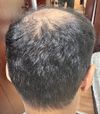
User experienced hair growth after 1 year using Dut 0.5mg weekly, Min 2.5mg daily, and derma 1.5mm weekly. Hair became thicker, healthier, and hairline improved after adding derma rolling.
The user has been using finasteride and minoxidil since September 2019 and has seen significant hair regrowth. Their routine includes a compounded topical with minoxidil, finasteride, dutasteride, and retinol at night, and 1mg finasteride in the morning.
The conversation is about improving scalp appearance by regaining adipose tissue and making the skin look better using scalp massages and a moisturizer with hyaluronic acid, ceramides, and urea. The user is not trying to regrow hair but wants to improve the scalp's thickness and appearance.
Switching from finasteride to dutasteride and oral minoxidil led to thicker hair and reduced hairline recession. Occasional flushing from minoxidil will be managed by lowering the dose.
Hair shedding decreased significantly after using finasteride and minoxidil, with users reporting fewer hairs falling out when running fingers through their hair. Some users experienced initial shedding with treatments like dutasteride, but shedding eventually stopped or reduced significantly.
The user experienced significant hair regrowth and improved hair volume after 4 months of using oral dutasteride (0.5 mg) and minoxidil (2.5 mg) daily, eliminating the need for a second hair transplant. The user is now satisfied with the results and feels more confident.
The conversation discusses using a TCA 35% chemical peel on the scalp to potentially improve hair growth by addressing fibrosis and enhancing the effectiveness of topical treatments. The user also mentions trying microneedling and other methods like topical metformin and dutasteride for hair regrowth.
The user has been using Minoxidil and Finasteride for a year with no change in hair density, though hair loss has stabilized. They are considering increasing the dose or exploring other options like Dutasteride or a hair transplant.
Microneedling for hair loss, with concerns about potential scarring and hair breakage. Recommendations include using 0.5-0.8mm needles, opting for dermastamps or pens, and limiting frequency to twice a month.
The user has been using oral finasteride and minoxidil for five months with some progress and plans to switch to dutasteride, while also considering a hair transplant for better coverage. Suggestions include adding microneedling, Nizoral shampoo, and possibly using both oral and topical treatments for improved results.
The conversation discusses skepticism about new hair loss treatments, with many users expressing doubt about their effectiveness compared to existing treatments like minoxidil and finasteride. Some users mention natural oils like olive and macadamia oil, but overall, there's a consensus that these are unlikely to be game changers.
A 30-year-old male using oral Finasteride, topical Minoxidil, and bi-weekly dermarolling has experienced noticeable hair regrowth, including new hairs at the hairline and temples, with reduced hair shedding. He reports no side effects from Finasteride after initial lethargy and mood changes.
New hair loss treatments include Breezula, PP405, ET-02, KX-826, GT20029, VDPHL01, and CosmeRNA, with some showing promise in reactivating stem cells and reversing greying. Breezula and VDPHL01 are highlighted as potential add-ons or alternatives to current treatments like finasteride and minoxidil.
Stopping dutasteride for a year caused significant hair loss, and resuming it with oral minoxidil led to only partial recovery. Users discuss treatments like finasteride, microneedling, and RU58841, noting mixed results and side effects.
A user experienced burning, itching, and soreness on their scalp after a perm in 2021, despite using oral finasteride, oral minoxidil, and ketoconazole shampoo. They are seeking advice on whether to pursue further medical tests or consult a neurologist for nerve pain.
The user has been using minoxidil and finasteride for almost a year, experiencing initial shedding, followed by regrowth, and then another shedding phase. They are concerned about the effectiveness of their current regimen and are considering adjusting their finasteride dosage.
The Derma Harmony Sulfur/Salicylic acid soap bar shampoo caused significant hair shedding, oily scalp, and cystic acne. The user experienced better results with rosemary shampoo.
The user is experimenting with a zinc sulfate and B6 topical solution called "Zix" for hair loss, alongside using a zinc oxide scalp mask and low-level laser therapy (LLLT). They report minimal hair loss after three months of use and are seeking feedback from others who have tried similar treatments.
A woman experienced significant hair regrowth after six months of using dutasteride and minoxidil, despite initial hair loss due to androgenetic alopecia. She reported minimal side effects and highlighted the effectiveness of these treatments for women, despite doctors' hesitancy to prescribe them.
The user is experiencing hair regrowth after 4.5 months using 1 mg finasteride daily, 5% minoxidil twice daily, and ketoconazole 2% shampoo. Suggestions include microneedling and possibly a hair transplant for further improvement.
The user is experiencing hair thinning and bald spots, using Nizoral, rosemary oil, fluocinolone, and receiving PRP treatments. They are considering oral minoxidil and finasteride but are hesitant due to age and financial constraints.
Collagen, chondroitin sulfate, hyaluronic acid, and MSM are used to improve hair appearance, making it fuller, thicker, and shinier. The user noticed significant hair improvement after resuming these supplements.
The conversation discusses a user's experiment of "burning the scalp" to treat hair loss, with mixed opinions on its effectiveness. Some suggest returning to proven treatments like finasteride and minoxidil, while others note slight improvements in hair density.
Considering exosome stem cell injections for hair loss alongside minoxidil and finasteride. Some suggest trying dutasteride first due to its proven effectiveness.
A user is using Minoxidil, finasteride, saw palmetto, and Minimalist RCP serum to address hair thinning, with some success but concerns about the long-term benefits of Minimalist. They plan to continue Minoxidil and finasteride for another year before considering a hair transplant.
The user started using minoxidil 5% and alternating 1mg finasteride with 0.5mg dutasteride, noticing some hair improvement after two months. They experienced side effects like watery semen and fluctuating libido, but also positive effects like reduced anxiety and clearer skin.
CBD may increase hair counts slightly, but results are minimal without additional treatments like minoxidil or finasteride. Some users suggest combining CBD with other methods for better results.
People are discussing hair loss treatments, including minoxidil, finasteride, and RU58841, to turn vellus hairs into terminal hairs. Some users also mention using antibiotics, oral minoxidil, dutasteride, DHT blockers, biotin, and natural remedies like onion juice and seeds to improve hair growth.
Hair regrowth using estradiol, spironolactone, minoxidil, and finasteride, showing significant improvement over four years. HRT is not advised for cis men solely for hair loss due to feminizing effects.