Search
for
Sort by
Community Join
660-690 / 1000+ resultscommunity 4 months on topical finasteride/minoxidil results
User noticed receding/thinning hairline, used topical finasteride/minoxidil and scalp scrubber for 4 months, saw progress.
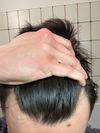
community 24M with mild temple recession - is topical finasteride worth it?
A 24-year-old with mild temple recession is using 5% minoxidil without noticeable effects and has started topical finasteride but is anxious about potential side effects. They are considering a specialist visit for peace of mind despite the cost.
community 2 months fin + min + dermastamping results
community Switched to DUT from Fin after 30 months of no progress
community Interesting Study: Bimatoprost (Latisse) shows promise in combatting scalp alopecia
Bimatoprost (Latisse) shows promise in treating scalp alopecia. Users discuss its potential alongside Minoxidil, finasteride, and RU58841.
community Follicum releases some data from previous phase 2a trial
Follicum discovered that their drug FOL-005 increased hair count by 12 hairs per cm2 in patients with less than 255 hairs per cm2 and is planning a phase 2b trial. They are currently fundraising for the trial, and the drug may also be effective for women.
community Progress crown pictures (fin and min)
A user shared progress pictures showing significant hair improvement using finasteride and minoxidil, expressing satisfaction with the results. Another user accused them of having a hair transplant.
community UK – Five month Dutasteride – Side by Side comparison
User AdDazzling5710's progress using Dutasteride for hair loss, with other users providing helpful advice and support.
community Theory And Observation: Why Being Bald Can Really Work
The original poster believes shaving his head made him more attractive to a specific group of women, despite being less attractive overall. The conversation includes various opinions on attractiveness, with some agreeing that being bald can work for certain men, while others suggest maintaining hair is generally more appealing.
community Phase 2B trial for PP405 leaked (The study Pelage DOESN'T want you to see)
The conversation discusses hair loss treatments, mentioning minoxidil, finasteride, RU58841, VDPHL, GT20029, and follicle cloning as potential solutions. It also reveals that the discussion about PP405 was an April Fool's joke.
community Finally, some real breakthroughs. A comparison of the two leading baldness treatments: PP405 versus ABS-201
PP405 and ABS-201 are promising treatments for male pattern baldness. PP405 shows rapid hair growth in human trials, while ABS-201 shows significant regrowth in animal studies but is still in early human trials.
community Clascoterone study going on right now
A user is participating in a phase 3 trial for Clascoterone, a topical acne medication that may stimulate hair growth, and will share results after 6 months. They will have a section of their hair shaved and marked with a tattoo for the study.
community finastreid + min and derma stamp 1x /week . is it a progress?
community Finasteride beats Dutasteride!?
The user experienced side effects from switching to Dutasteride and is considering whether to lower the Dutasteride dose or return to daily Finasteride. They are uncertain about the best approach due to mixed results from different studies.
community 7.5 month closeup hairline comparison
The conversation is about hair regrowth progress using topical finasteride and minoxidil twice daily, with occasional microneedling. The user also uses Minoxidilmax and WOW Skin Science Apple Cider Vinegar Shampoo.
community Tressless Pyrilutamide data analytics – Frustrated with lack of data, so I did something about it!
This user has conducted data scraping of 365 Reddit posts on the hairloss drug Pyrilutamide over the last year to analyse efficacy and side effects. The findings, which are available in a 19 page report with graphs, suggest that 22% of Pyrilutamide users experience positive results while 63% experience symptoms. A larger analytics project is proposed for other drugs with enough demand.
community Oral finasterine oral minoxidil 4 months dose done.
community Pelage, PP405, is creating a database for potential new trial volunteers
PP405 is a new hair loss treatment targeting dormant hair follicles, with ongoing trials. Some users consider stopping finasteride and minoxidil to join trials, while others doubt its effectiveness.
community A Study I came along by mistake researching (Dutasteride +Pumpkin seed oil ) for every other day use.
community Preliminary results from verteporfin case study. Looks like donor hairs could be starting to regrow after FUE extraction! This could be huge!
A case study that suggests verteporfin may be able to help regrow donor hairs after FUE extraction, and the potential implications of this result. Treatments discussed include Minoxidil, Finasteride, and RU58841.
community 21M 2.5 min 1 fin oral , 2.5 years
community Korean 2021 study shows efficacy of sulforaphane.
Sulforaphane shows potential for hair regrowth, with users reporting reduced shedding and regrowth. Some users combine it with Minoxidil and finasteride for better results.
community 6 months difference on topical finasteride
User shared 6-month progress using topical finasteride, biotin, and occasional dermarolling, reporting no side effects except possible depression. Replies praised the results and shared personal experiences with finasteride.
community European finasteride difference
Topical finasteride in Europe is often seen as less effective than oral forms, with users suggesting alternative application methods for better results. Many prefer oral finasteride due to cost and effectiveness.
community M37: Started DUT 2 years and it didn’t work. Has anyone switch from DUT to FIN and had better results?
A user experienced worsening hair loss with DUT and is considering switching to FIN, seeking advice from others who may have had better results with FIN. They acknowledge that FIN is generally weaker but are interested in personal experiences due to individual differences in response.
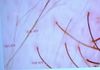
community Concerned About Asymmetrical Frontal Hair Loss and Recent Finasteride Use, Seeking Experiences
The user is experiencing asymmetrical hair loss at the frontal hairline and is concerned about potential conditions like frontal fibrosing alopecia. They have started using finasteride and pumpkin seed oil to address the issue.
community Recent progress on stack including third verteporfin procedure
community Be careful about using non-PG based alternatives of Minoxidil (mathematically speaking, haven’t seen much practical studies)
community 5ARi of choice not working yet? Paper Review for efficacy + safety
Dutasteride is more effective than finasteride for hair loss, especially at the crown and midscalp, but both have similar side-effect profiles with low incidence of sexual adverse events. Improvement is measured visually, and significant results may take over 12 months to appear.