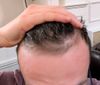
Poor diet and lifestyle contribute to male pattern baldness. Treatments like Minoxidil, dietary changes, and lifestyle adjustments may help slow hair loss.
A 33-year-old male experienced sudden, rapid hair loss, possibly due to a reaction to mentholated shampoo and undiluted tea tree oil, with a history of seborrheic dermatitis. He is currently taking finasteride, vitamin D3, a multivitamin, and biotin, and is seeking further medical evaluation.
A 30-year-old man shares his successful hair loss protocol, which includes finasteride, Nizoral shampoo, low-level laser therapy, microneedling, and past use of oral minoxidil. He plans to consider dutasteride and possibly hair transplants in the future, while advising caution with crown transplants before age 35.
A mid-30s individual is experiencing hair loss at the front and temples but not the crown, and is seeking affordable treatments. They have ordered pumpkin seed oil capsules due to cost and side effects concerns with official treatments.
The effects of hair loss on mental health, treatments such as finasteride, minoxidil, RU58841 and microneedling red light therapy, and the realization that while treating hair loss can be beneficial, it does not solve all underlying insecurities.
A 38-year-old man shared his experience of shaving his head, noting he looked better with a shaved head than with very short hair, and expressed concerns about using finasteride due to perceived dangers. Others in the conversation disagreed with his view on finasteride, suggesting it is safe and effective for hair loss treatment.
A 25-year-old man is worried about his girlfriend noticing his balding and is frustrated by society's focus on looks. He uses minoxidil, finasteride, and dutasteride for hair loss and considers being honest with her.
A 46-year-old man is using minoxidil, finasteride, and derma rolling for hair regrowth but is unsure of the results and considering a hair transplant. Many suggest he looks good bald and recommend continuing treatment or trying scalp micropigmentation.
Choose a knowledgeable dermatologist to avoid ineffective treatments for hair loss. Finasteride, dutasteride, and oral minoxidil are more effective than topical versions and supplements like zinc and biotin are not helpful for balding.
A new technique developed by scientists in Japan to reverse balding using hair follicle cell transplants, and the discussion around the effectiveness of this approach compared to other treatments such as Minoxidil, finasteride, RU58841, Replicel, and Hairclone.
Saw palmetto, derma pen, rosemary oil, scalp massages, pumpkin seed oil, green tea extract, and B complex are discussed as natural treatments for hair loss, with mixed results reported. Some users consider adding finasteride for more effective results.
Hair loss treatments discussed include Minoxidil, finasteride, and RU58841. The conversation humorously reflects on past hair loss solutions and the potential of hair cloning.
Diffuse thinning can result in varied regrowth, with some users experiencing better results at the hairline and others at the crown. Treatments mentioned include finasteride, minoxidil (oral and topical), RU58841, microneedling, and dermarolling.
A 29-year-old male is considering treatments for hair loss, including Minoxidil, Finasteride, microneedling, or a hair transplant, and is concerned about potential hair loss due to military service. He is currently at Norwood 2 and has a family history of hair loss.
A 21-year-old expresses feeling alone and invalidated in his struggle with hair loss, seeking empathy from others. Some users share similar feelings, while one mentions making progress with dutasteride and minoxidil treatments and considering a hair transplant.
The user is experiencing hair thinning despite using finasteride for three years and is considering trying minoxidil. They are seeking advice on a hairstyle, like a French crop, to manage their hair loss.
A user shared their personal experience with hair loss treatment, detailing their journey from initial hairline thinning to regrowth. They tried several protocols, with the most effective being a combination of finasteride, minoxidil, dermarolling, and topical tretinoin, and plan to continue finasteride daily.
A 24-year-old male shared his 8-month progress in fighting hair loss using 1mg finasteride daily, 5mg minoxidil daily, 5mg biotin daily, and topical minoxidil nightly. He experienced no side effects and noted improved confidence and reduced shedding.
A 28-year-old male is concerned about hair loss and is considering starting oral minoxidil now and finasteride after having more children due to fertility concerns. He is worried about losing more hair if he waits four years to begin treatment.
A 22-year-old shared their hair loss journey, starting with homeopathic treatments and later using Minoxidil and Finasteride, seeing some regrowth. They are currently on oral Finasteride, PRP treatments, and saw palmetto serum, considering reintroducing Minoxidil or switching to Dutasteride for better results.
A 27-year-old is experiencing hair thinning and receding, currently using finasteride and planning to start minoxidil. They seek advice on hairline treatment options, including styling, PRP, peptides, and micro-needling.
A 28-year-old male shares his hair loss journey, starting with a hair transplant in February 2024 and using finasteride, later switching to dutasteride in January 2025. He has not used minoxidil and is satisfied with the results, despite some side effects like temporary nipple pain and a spike in libido.
Hair loss and the importance of not letting it affect one's self-worth. The conversation includes advice on treatments such as taking medication, like Minoxidil and Finasteride, and other methods to manage hairloss, such as buzzing your head or seeking professional help.
A user claimed to cure their baby's baldness by using finasteride, minoxidil, ketoconazole, dermarolling, scalp massages, and headstands to increase blood flow. Commenters responded with humor, suggesting various exercises and questioning the legitimacy of the transformation.
The conversation concludes that the serum for hair regrowth is likely ineffective and possibly a scam. Effective treatments mentioned include minoxidil, finasteride, and dutasteride, with rosemary as a natural option.
The user is experiencing increased hair loss and was diagnosed with male pattern baldness. They are considering using oral or topical finasteride to manage the condition and are contemplating cutting their hair short.
A 21-year-old is concerned about androgenic alopecia and has been using minoxidil for a year, noticing some stabilization in the hairline but fears using it on the whole scalp due to seborrheic dermatitis. Another person suggests considering a psychiatrist for stress management, using Nizoral shampoo, and possibly trying a small dose of finasteride.