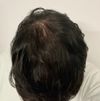
A 26-year-old with a bald spot is seeking advice for hair regrowth, having no treatment history. Suggestions include starting Minoxidil and finasteride to promote growth and reduce hair loss.
Hair loss treatment with latanoprost, minoxidil, and biotin showed progress. Latanoprost, a glaucoma drug, stimulates anagen phase and increases conversion of vellus hair to terminal hair.
A 28-year-old man shares his positive experience with a 3-in-1 oral pill containing finasteride, minoxidil, and vitamins for hair loss, noting decreased bald spot width and overall hair thickening after four months. He encourages others to start treatment, mentioning the mental benefits and minimal side effects, while discussing additional treatments like ketoconazole and microneedling.
The user reported using finasteride 1mg, minoxidil 5% topical, and microneedling 1mm weekly for six months with no side effects. The conversation includes questions about the effectiveness and methods of these treatments, with some users sharing their experiences and advice.
The user experienced significant hair regrowth after using minoxidil for 9 months and finasteride for 3 months, with plans to continue treatment and possibly get a hair transplant. Some users suggested adding microneedling and other treatments, while others discussed potential side effects of finasteride.
A user experienced significant hair regrowth by switching from finasteride and minoxidil to dutasteride, along with using a leave-in conditioner, rosemary shampoo, and a hair powder drink. They noted improved hair health and thickness, attributing success to this regimen and advising others on similar treatments.
A 38-year-old user discusses their experience with hair loss and the impact of comments about their bald spot, despite using treatments like topical finasteride, minoxidil, and tretinoin. The conversation highlights the emotional impact of unsolicited comments on appearance and suggests exploring additional treatments like oral minoxidil and finasteride for further improvement.
A user's progress pictures with Finasteride, showing positive results in 7 months; other users suggested additional treatments like biotin and nizoral shampoo, as well as changing to Dutasteride, while another mentioned it could take up to a year for further gains.
The user has been using topical Minoxidil since April 2025 and Finasteride since September 2025, but their bald spot has worsened. They are considering switching to oral Minoxidil and have been advised to be patient, see a dermatologist, and possibly try additional treatments like derma rolling.
The conversation discusses hair loss treatments, specifically the use of oral minoxidil and finasteride, and the potential for hair regrowth. Many suggest considering a hair transplant for the persistent bald spot, while others recommend additional treatments like derma rolling and microneedling.
The user is updating on their hair loss treatment progress after 4 months using oral finasteride, topical minoxidil spray, and weekly 1mm dermarolling. The crown area is slowly improving, with a smaller bald spot radius compared to the previous month.
The user changed their hair loss treatment in October/November, experienced increased shedding, and now sees no new hair growth, with a worsening condition and a possible bald spot. They also have severe seborrheic dermatitis, which may be affecting their scalp and hair loss.
The user is experiencing positive results with hair regrowth using Minoxidil 5% topical twice daily and Finasteride 0.625mg daily, noting thin white hairs covering a bald spot. They are hopeful for further improvement and considering whether these hairs will darken with continued treatment.
A 26-year-old male shared progress pictures showing significant hair improvement after using finasteride (1mg daily) since November 2024 and minoxidil foam since October 2025. The user noted thicker hair and a less noticeable bald spot, attributing the changes to these treatments.
The user switched from finasteride and topical minoxidil to oral dutasteride and minoxidil, with plans to add RU58841, to improve hair growth and address a stubborn bald spot. Despite initial shedding, the user noticed thicker, darker hair and plans to continue the treatment or consider a hair transplant.
A 36-year-old started using finasteride (0.3-0.5mg daily), 5% minoxidil foam, and weekly dermarolling/dermapen treatments to address hair loss. They also began taking supplements for low ferritin and vitamin D, hoping to improve hair thickness and cover a bald spot.
A user who didn't respond well to minoxidil and finasteride is considering the role of IGF-1 in hair loss treatment effectiveness. They discuss the potential of using HGH to improve hair growth and other health issues, referencing several sources that suggest IGF-1 levels may influence hair loss and treatment response.
A user with thinning hair and a bald spot seeks advice on starting dermarolling for hair regrowth. They ask about using vitamin E and Rogaine alongside dermarolling.
A 29-year-old is using 5% topical minoxidil, 5 mg oral minoxidil, 1 mg finasteride, Nizoral shampoo, and weekly microneedling to treat hair loss, reporting significant progress in hair regrowth and hairline improvement. The routine includes applying minoxidil twice daily, managing dead skin with shampoo, and using a baseball cap to maintain hair appearance.
The user had a hair transplant in 2021 with 1600 grafts and is currently using finasteride, minoxidil, biotin, and collagen. They are considering another transplant in Turkey to address a bald spot and improve coverage in the front and middle.
A user shared their positive experience with MoriTint, a Korean scalp micro pigmentation technique that enhances the appearance of hair density without being permanent. They now offer this service in Los Angeles and emphasize its benefits for those with thinning hair, while clarifying it is not suitable for those with significant hair loss or baldness.
The user shared progress after 7 months of hair loss treatment using topical minoxidil with finasteride, oral minoxidil, microneedling, LLLT laser cap, and scalp massage. They reported thicker, denser hair with no significant side effects.
A user shared their hair regrowth journey from Norwood 7 at age 22 using oral minoxidil 10mg, dutasteride 0.5mg, and RU58841 70mg, along with a recent hair transplant. They experienced significant progress and discussed potential side effects, particularly with oral minoxidil, and plan to update on further growth.
The user has been dealing with an oily scalp, seborrheic dermatitis, and hair loss for 18 months, using finasteride without improvement. Another user suggested dutasteride for reducing scalp oiliness.
After 2 years of using finasteride and minoxidil with good results, the user is experiencing severe scalp itchiness, shedding, and tenderness. Despite dermatologists finding nothing wrong, the user seeks over-the-counter treatments for the itch.
Rating treatments for hair loss, with the help of GPT-4, according to efficacy, evidence and tolerability; a combination of chemicals from research papers, custom compounds, and some suggestions from other users were included.
CB-03-01 is considered a failed treatment for hair loss, with future hopes pinned on PP-405 and GT-20029, expected by 2030. Alternatives like hair transplants and SMP are discussed, while some users express frustration over the slow progress of treatments like Breezula.
Many regret delaying hair loss treatments like finasteride and minoxidil, impacting self-esteem and dating. Additional treatments include scalp micropigmentation and hair transplants, with some experiencing side effects or high costs.
The conversation discusses managing hair loss and seborrheic dermatitis with treatments like minoxidil, finasteride, and saw palmetto, emphasizing the importance of scalp health and DHT reduction. The user shares personal experiences and suggests a balanced approach, combining topical treatments and lifestyle changes for effective hair regrowth.