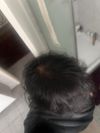
The user is experiencing hair thinning at the crown and midscalp and is seeking advice. They are considering treatments like Minoxidil, finasteride, and RU58841.
Finasteride and minoxidil are effective for hair loss, with many users finding them manageable as part of a daily routine. Costs can be reduced by purchasing generic versions, and while some users express concerns about long-term use, most agree the benefits outweigh the inconvenience.
People shared their experiences with minoxidil for hair loss, noting varied timelines for seeing results, with some experiencing gains around 3-12 months. Some users also discussed using both oral and topical minoxidil, and one mentioned the need for combining treatments like finasteride for better results.
The user is using dutasteride, estradiol cypionate, microneedling, oral minoxidil, and plans to add ketoconazole for hair regrowth. They are questioning if the improvement is due to actual regrowth or just better photo angles.
The user is experiencing continued hair loss despite using dutasteride and oral minoxidil, and is considering adding finasteride or adjusting their current treatment. They are seeking advice on whether to change their approach due to lack of improvement, especially at the temples and crown.
White apple cider vinegar is unlikely to cure baldness, and skepticism is expressed about its effectiveness. Users suggest that hair loss might be due to other conditions like Telogen Effluvium or alopecia areata, which can resolve on their own.
The user is using minoxidil, finasteride, dermarolling, and other treatments for hair regrowth, showing promising results in the temple area. Despite some skepticism, there is optimism about potential improvement.
A user shared their positive experience with hair regrowth using finasteride and minoxidil chewables over 20 months, along with a specific conditioner and a new treatment, GHK-Cu. Others discussed their own hair loss experiences and treatments, including oral finasteride/minoxidil and considering hair transplants.
The user has been using oral finasteride and topical minoxidil for years without success and is seeking alternative treatments. Suggestions include switching to oral minoxidil, adding dutasteride, trying topical treatments, or considering microneedling.
The user observed new tiny white hairs after 12 days of using minoxidil, finasteride, microneedling, and biotin, hoping they will become terminal hairs. Others advise that while some hairs may not fully grow, consistent treatment, patience, and scalp massages could enhance results.
The user experienced significant hair thickening after one year of using chewable finasteride (1.2 mg) and minoxidil (2.5 mg) without major side effects, except occasional low libido. The user sourced the treatments from Hims and noticed results around 5-6 months, with shedding lasting about two months.
Actifolic RU-58841 powder and GhK-Cu peptide were tested and found to be accurate. The user is satisfied with the product's authenticity for hair loss treatment.
The user started using 1.25 mg of finasteride and 1.25 mg of oral minoxidil, noticing some hair regrowth and thickening. They plan to continue the treatment for a year, with others suggesting patience and possibly adding topical treatments.
The user experienced noticeable hair regrowth and darker beard after one month of using 1mg finasteride and 2.5mg minoxidil daily, with no side effects reported. They also started derma rolling two weeks ago and plan to continue the treatment for further results.
Rapid weight loss may have triggered increased hair shedding. Continuing with finasteride, microneedling, a healthy diet, and supplements like MSM and vitamin B is advised, but results may take 6-12 months.
High prolactin levels may contribute to hair loss, and some users suggest supplements like mucuna pruriens, vitamin B6, vitamin E, L-Tyrosine, L-Theanine, DIM, and Zinc to lower prolactin. Lifestyle changes to increase dopamine, such as reducing screen time and stress, are also recommended.
The user has been treating hair loss for nine years using finasteride, oral minoxidil, and microneedling, with significant improvements in hair density and texture. They emphasize the importance of consistent treatment, physical health, and lifestyle changes in achieving these results.
A user shared their experience with a hair restoration method involving adding individual human hairs on ultra-fine strands between existing hair, allowing for natural movement and appearance without blocking the scalp. They also continue using rosemary oil and gentle massage for basic growth support.
The user started finasteride in 2017, added oral minoxidil in 2024, and began microneedling in 2025, achieving significant hair regrowth without side effects. They recommend using all three treatments together for the best results.
A 42-year-old man achieved significant hair regrowth in seven months using oral minoxidil, oral dutasteride, topical minoxidil, microneedling, and supplements. He experienced minimal side effects and noted dramatic improvements in hair thickness and health.
The user has been using finasteride for six years and minoxidil for three years with no noticeable hair regrowth. Suggestions include switching to dutasteride, considering a hair transplant, and trying microneedling.
The user experienced improved hair density after 3 months of oral finasteride and 1 month of oral minoxidil, along with changes in diet, supplements, and hair care. They are unsure if the improvement is due to these treatments or changes in hair care habits.
The user shared a successful hair regrowth journey using finasteride and oral minoxidil, starting in 2020. They experienced significant improvement without side effects and stopped microneedling due to a fear of needles.
The user is considering switching from a topical minoxidil and finasteride solution to oral minoxidil to improve hair growth, while maintaining oral finasteride. They are concerned about potential shedding and whether they can maintain any new growth.
The conversation discusses hair loss and its potential link to caffeine consumption, with the original poster experiencing increased shedding after consuming more coffee. They mention being a non-responder to finasteride and plan to reduce coffee intake, while others suggest various factors like stress, physical exertion, and medication changes could also contribute to hair loss.
The user plans to try finasteride again due to past side effects, considering a gradual increase starting at 0.25 mg every 5 days to reach 0.5 mg/day. They seek advice on a tapering schedule to minimize side effects.
The user shared their 10-year hair loss journey, discussing treatments like oral minoxidil, oral finasteride, and LLLT, and ultimately deciding on a hair transplant. They also explored the possibility of having alopecia areata incognita and advised seeking multiple opinions before surgery.
The user experienced hair regrowth after three months of using 1mg finasteride and inconsistent minoxidil. They plan to be more consistent with minoxidil application to improve results further.
Using 2% ketoconazole daily can dry out the scalp; 1-2 times a week is recommended. Combining ketoconazole with treatments like minoxidil, alfatradiol, and fluridil can help manage hair loss effectively.
The conversation is about hair regrowth progress using oral dutasteride (DUT) and minoxidil (MIN) over three months, with significant improvement noted. Users discuss potential future results and share personal experiences with similar treatments.