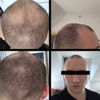
Minoxidil can regrow hair, but results vary and may decline over time. Finasteride is effective but carries a risk of side effects; using both together may yield the best results.
A 21-year-old male is experiencing hair shedding, possibly due to stress from a breakup, and is using minoxidil and drinking green tea to address it. Others suggest stress as a cause and recommend consulting a dermatologist if it persists.
The conversation discusses hair loss treatments, specifically the use of topical and oral finasteride combined with minoxidil. The user experienced a second shedding phase but hopes for regrowth in the coming months.
The user shared their hair loss treatment progress using topical minoxidil, oral finasteride, derma stamping, and ketoconazole shampoo, noting improvements after switching back to a previous minoxidil brand. They are satisfied with the results and considering a hair transplant in the future.
The user has been using oral finasteride and minoxidil for over a year with little success in hair regrowth and is considering switching to dutasteride and increasing the minoxidil dose. Other users shared mixed experiences with these treatments, suggesting consulting a doctor before making changes.
Finasteride is mainly for maintaining existing hair, while minoxidil is recommended for regrowth. Users suggest combining both treatments for better results, especially if there are signs of hair follicles still being active.
The user experiences an itchy scalp despite using finasteride and ketoconazole shampoo for hair loss. Suggestions include trying different shampoos, switching to dutasteride, and using topical treatments for inflammation.
The conversation is about a user's three-year progress in reversing hair loss using daily Dutasteride 0.5 mg and topical Minoxidil, with no side effects. The user emphasizes patience, as significant results were noticed after one year, despite a strong family history of early baldness.
A 28-year-old male reported significant hair regrowth using 5mg minoxidil and 0.5mg dutasteride over five months, with occasional ketoconazole use. Users discussed side effects like stuffy nose and low libido, and shared experiences with different hair loss treatments.
The user is considering adjusting tretinoin strength to enhance minoxidil effectiveness, questioning whether to use 0.025% or 0.01% instead of 0.05% due to increased hair shedding. They have been using finasteride, minoxidil, and Nizoral, and are contemplating reintroducing microneedling.
An 18-year-old shaved his head due to hair loss and feels relieved, despite using Minoxidil and Finasteride without success. Many suggest seeing a dermatologist as the hair loss pattern doesn't resemble typical male pattern baldness, and some recommend trying Ketoconazole.
Hair loss treatments like minoxidil, finasteride, dutasteride, and RU58841. Users stress early prevention and discuss challenges with different hair loss patterns.
The user shared their hair loss journey, noting significant improvement after using finasteride since June 2024 and recently starting minoxidil in April 2026. They encourage others to have faith in treatments like finasteride, minoxidil, or other options.
Poor gut health may contribute to hair loss and scalp inflammation, with treatments like finasteride, minoxidil, and Nizoral being used. Improving gut health and addressing inflammation might help alleviate symptoms.
The user experienced mixed results after one year on Dutasteride, with some areas of hair appearing worse and others better. They increased their Dutasteride dose to 2.5 mg daily and started using RU58841, with suggestions to add Minoxidil for improved results.
The user experienced severe side effects from oral finasteride, including sexual dysfunction and mental health issues, and switched to topical finasteride, which led to significant hair shedding. They are considering other treatments like RU58841 or topical dutasteride and are advised to check testosterone levels and address potential underlying health issues.
Minoxidil can cause significant hair shedding, especially for those who don't need it, and should be used cautiously under medical advice. Natural remedies like onion, rosemary oil, aloe vera, coconut oil, and a healthy lifestyle can help recover from minoxidil-related hair loss.
The user is concerned about hair loss and is considering treatments like finasteride and minoxidil but is unsure about their effectiveness and side effects. They have experienced mixed reactions to shaving their head and are struggling with confidence due to balding.
Users discussed experiences with Everychem's solution similar to PP405 for hair loss, noting some positive results like increased hair thickness and new growth. There was skepticism about the product's legitimacy and safety, with some users reporting early signs of effectiveness and others expressing concerns about the lack of evidence and safety profiles.
Steve Carell's hair transformation from Season 1 to Season 7 of "The Office" is attributed to a possible hair transplant and changes in styling. Discussions also mention the use of treatments like Propecia and Accutane for skin and hair issues.
Users are experiencing hair shedding after initial improvement using treatments like Minoxidil, finasteride, and dutasteride. Shedding is seen as a sign of progress, but concerns arise when hair falls out again after a few months.
A 40-year-old man experiencing male pattern baldness reports noticeable hair regrowth after 6 weeks of using finasteride 1 mg daily, topical minoxidil 5% twice a day, and ketoconazole shampoo twice a week. He has not experienced any side effects and plans to continue monitoring his progress.
The user shared progress pictures showing significant hair regrowth after 7 months of using oral finasteride and topical minoxidil. The results sparked a mix of disbelief and congratulations, with some users discussing initial hair shedding and side effects.
Clascoterone is promising for hair loss, showing 24.5% improvement in satisfaction compared to placebo. Users consider it an alternative to finasteride, with concerns about absorption and side effects.
Switching from topical finasteride and minoxidil to oral dutasteride and oral minoxidil resulted in thinner hair and loss of vellus hair, with no new growth observed. The user is concerned about the lack of improvement despite using a stronger treatment.
A 43-year-old male with advanced hair loss is experimenting with alternative treatments, including red light therapy, microneedling, scalp massages, an oil mix, and ketoconazole shampoo, after previously experiencing side effects from finasteride and minoxidil. He noticed some minor changes with red light therapy but remains skeptical about significant improvement.
A 38-year-old man shared his experience of shaving his head, noting he looked better with a shaved head than with very short hair, and expressed concerns about using finasteride due to perceived dangers. Others in the conversation disagreed with his view on finasteride, suggesting it is safe and effective for hair loss treatment.
Oral minoxidil and finasteride can lead to quick hair growth, with some users noticing changes in as little as 2-3 weeks, though head hair may take longer. Many prefer oral minoxidil over topical due to convenience, and some also use ketoconazole shampoo and other topical treatments.
The user is frustrated with hair loss despite using finasteride and is considering a hairpiece as a solution. Suggestions include trying a buzz cut, considering dutasteride or oral minoxidil, and addressing potential dietary issues.
People are using finasteride, minoxidil, and dutasteride for hair thinning, with some recommending oral forms. Other products like IntelliGent shampoo, CeraVe 1% zinc shampoo, and conditioners are mentioned, but they are seen as supplemental to DHT blockers.