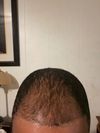
User experienced significant hair improvement after 9 months using topical fin/min spray. Noticed positive changes around 3-month mark and chose topical treatment due to fewer side effects.
The conversation is about finding 1.5mm cartridges for a Dr. Pen device, with a preference for purchasing through Amazon. The discussion does not mention specific hair loss treatments like Minoxidil, finasteride, or RU58841.
User seeks participants for Verteporfin group buy. Verteporfin, FDA approved, may regenerate hair follicles and sweat glands through heavy microneedling.
A 47-year-old man has been using a topical spray containing minoxidil, finasteride, biotin, and ketoconazole for hair loss but has not seen any regrowth and is experiencing more hair loss. He is considering switching to a pill form due to frustration with the lack of results.
Using a daily hair spray with 0.3% finasteride, 7% minoxidil, 2% ketoconazole, and biotin, along with a 1% ketoconazole shampoo once or twice a week, may be excessive according to the product's recommendations. The user is unsure about this regimen for treating androgenetic alopecia (AGA).
The conversation is about hair regrowth using topical finasteride, minoxidil, and keto spray, along with oral Saw Palmetto, Lustriva complex, collagen, and microneedling. Users discuss their experiences with these treatments, noting improvements in hair density and color, with some experiencing mild side effects.
The user has been using a daily topical spray of finasteride and minoxidil, along with occasional microneedling, to address hair loss since August 2023, and is considering switching to oral medication for convenience and cost reasons. Despite progress, they are exploring options like increasing microneedling frequency or potentially undergoing a hair transplant to address a stubborn spot.
A user is seeking advice on using a DIY solution of topical finasteride (Fynzur 2.275mg/ml) mixed with minoxidil for hair loss. They are concerned about achieving full scalp coverage and prefer using a scalp applicator over a spray.
The user is happy with hair regrowth after 7 months using a topical spray containing 6% minoxidil and 0.3% finasteride from Hims, experiencing no side effects. They noticed significant results around 3-4 months and find the treatment convenient and cost-effective.
The post discusses Dr. Rassman's advice on microneedling for hair loss, suggesting holding a Dr Pen with 36 needles in one spot for 10 seconds. The conversation includes differing opinions on this method, with one user explaining the importance of dipping the pen rather than swiping to avoid abrasions.
The conversation discusses choosing between titanium fixed needles and a pen with disposable needles for hair loss treatment at a 1.5mm depth. The preference is for disposable needles for better sanitization.
A user is experiencing hair regrowth after 2.5 months using dutasteride and a daily spray containing finasteride, minoxidil, biotin, and ketoconazole. They are optimistic about continued progress and have noticed new dark hairs forming.
Exploring the potential of using Verteporfin to grow follicles in combination with microneedling, as well as the cost of administering a single injection and the possibility of combining it with minoxidil.
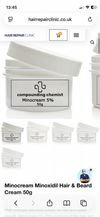
A user is considering switching from a 5% minoxidil spray to a minoxidil cream for easier application and less greasiness. They are inquiring about the Hair Repair Clinic 5% minoxidil cream, which includes optional tretinoin and other ingredients like isopropyl myristate and beeswax.
A 23-year-old male with Norwood 2.5-3 hair loss is considering using a lotion containing 0.3% finasteride and 6% minoxidil spray, as recommended by a dermatologist. He is hesitant about using oral finasteride due to potential long-term side effects.
A user shared their positive 6-month experience using Hims finasteride and minoxidil spray for hair loss, with others discussing the effectiveness and side effects of topical treatments. Instructions on how to use the spray were also provided.
The user is experiencing potential hair regrowth after 4 months of using a minoxidil and finasteride topical spray combined with microneedling 1-2 times a week. They notice some scalp redness and irritation but are unsure if the increased hair density is due to regrowth or longer hair.
The user is using Dutasteride and oral Minoxidil for hair regrowth and is considering adding topical Minoxidil but is allergic to propylene glycol, which is present in the product they found. They need a solution with tretinoin that does not contain propylene glycol.
The user experienced scalp irritation from a Finasteride and Minoxidil spray and serum. They are considering switching to foam, oral treatments, or another provider.
The conversation is a humorous discussion about excessive hair growth due to using minoxidil, with suggestions of laser hair removal and comments on the appearance of the hair. Some users joke about starting finasteride treatment at a young age or being non-responders to hair loss treatments.
The conversation is about someone seeking advice on the best microneedling device to use for hair loss, mentioning pens, stamps, and rollers as options.
The user is using 0.1% dutasteride, 1% minoxidil with 2% procapil and 0.005% caffeine in the morning, and 1% minoxidil with 2% procapil and 0.01% tretinoin at night. They are concerned about the solution vehicle's effectiveness in preventing systemic absorption and ensuring the products stay around the hair follicles.
The conversation humorously discusses using semen as a topical treatment for hair growth, with users joking about its effectiveness and comparing it to other treatments like finasteride. The tone is light-hearted and sarcastic, with no serious endorsement of the method.
The user switched from Minoxidil to a Hims spray containing both Finasteride and Minoxidil but hasn't seen significant progress after 6 months. They are seeking advice for hair loss, particularly at the front and corners, and are using derma stamping twice a week.
A 35-year-old male from the UK experienced significant hair regrowth and thickening after using topical finasteride 0.1% and minoxidil 5% spray for three months, along with a derma roller and Nizoral shampoo. He reported no side effects and encouraged others to try the topical spray if concerned about tablet side effects.
The conversation discusses using Dr. Fox Hair Growth Spray, which contains 0.3% finasteride, 5% minoxidil, and 0.01% tretinoin. It suggests that a compound pharmacy might offer a cheaper alternative.
Switching from liquid to foam Minoxidil to avoid scalp irritation, with a method to melt the foam for easier application. Users discuss alternatives and personal experiences with Minoxidil, including issues with propylene glycol and different application methods.
An 18-year-old shares two months of progress using a topical spray solution containing finasteride, ketoconazole, minoxidil, and biotin for hair loss, reporting minimal side effects and satisfaction with results. The user applies the solution daily to different parts of the scalp.
The user is experiencing positive results in hair regrowth using a topical spray with minoxidil and finasteride, along with rosemary and pumpkin seed oil, and derma rolling. They note the importance of patience in the process.
The user switched from Hims spray to Happy Head dropper for hair loss treatment and experienced a bad odor and staining from the product. The product was past its expiration date, but a newer bottle had the same issues.