Breezula is a potential hair loss treatment, but recent updates suggest it may not be as promising as initially thought. Some users express skepticism about its effectiveness based on past results.
The conversation is about a user considering switching to a 4 in 1 spray containing Minoxidil, Caffeine, Melatonin, and Tretinoin for hair loss after using a finasteride and minoxidil spray. The user recently switched to oral finasteride and is contemplating whether to continue using the remaining finasteride and minoxidil spray.
The conversation discusses hair loss treatments, specifically Breezula, Minoxidil, finasteride, and RU58841. Participants express curiosity about Breezula's safety and its steroidal nature.
Breezula shows promising hair growth results, with up to 539% increase in hair count compared to placebo, and regulatory submissions are planned in the US and EU. Users are cautiously optimistic, noting the potential for Breezula to replace finasteride by targeting DHT without systemic effects.
The user experienced scalp irritation from a Finasteride and Minoxidil spray and serum. They are considering switching to foam, oral treatments, or another provider.
A user wants to dilute a melatonin sublingual spray to 0.0033% for use as a topical hair loss treatment. They ask if distilled water can be used for dilution and how much is needed for stability over months.
A user shared their hair loss treatment routine, which includes minoxidil, finasteride, ketoconazole, biotin, dutasteride, and RU58841. They recommend starting with topical sprays and mentioned using a new combo spray from Hims UK.
The conversation is a satirical discussion about using grapefruit for hair regrowth, with suggestions ranging from injecting it to applying it topically or anally. Some users claim unusual benefits like emitting a green aura or jumping high.
Using roll-on bottles for applying minoxidil and RU58841 improves application efficiency and reduces product waste. Topical treatments are used continuously, except on microneedling days.
The conversation humorously discusses hair loss treatments, mentioning "oral miraclegro," "topical roundup," "spectracide," "Cow Dung mesotherapy," and "weekly Foot stepping sessions." The user jokingly considers switching to "weed and feed" as a treatment.
The Sons combination spray for hair growth includes 0.15% topical finasteride, 5% minoxidil, and 0.015% tretinoin. Users discuss potential side effects like reduced libido and application methods affecting absorption.
A user is seeking advice on using a DIY solution of topical finasteride (Fynzur 2.275mg/ml) mixed with minoxidil for hair loss. They are concerned about achieving full scalp coverage and prefer using a scalp applicator over a spray.
The conversation is about a topical spray containing finasteride, minoxidil, and tretinoin, with users discussing its effectiveness compared to more established brands. One user mentions using a product with 5% minoxidil, 0.15% finasteride, and 0.15% tretinoin.
The post and conversation discuss different methods of applying hair loss treatments directly to the scalp. The original poster suggests using a 1ml TB Syringe & Ophthalmic Cannula for precise application, while others share their own methods, including sprays, droppers, and simple syringes.
Using a daily hair spray with 0.3% finasteride, 7% minoxidil, 2% ketoconazole, and biotin, along with a 1% ketoconazole shampoo once or twice a week, may be excessive according to the product's recommendations. The user is unsure about this regimen for treating androgenetic alopecia (AGA).
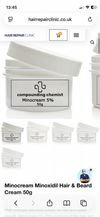
A user is considering switching from a 5% minoxidil spray to a minoxidil cream for easier application and less greasiness. They are inquiring about the Hair Repair Clinic 5% minoxidil cream, which includes optional tretinoin and other ingredients like isopropyl myristate and beeswax.
A 40-year-old user shared impressive hair regrowth results after three months using a topical spray containing minoxidil, finasteride, and ketoconazole, along with occasional dermarolling. The treatment, from the brand Hims, was effective despite initial skepticism, and the user credits the community for their support and information.
A user shared progress pictures showing significant hair improvement using a Hims spray containing minoxidil and finasteride, along with biotin gummies and alternating shampoo and conditioner. Other users noted similar positive results with the Hims brand and discussed the importance of consistency over time.
The conversation discusses the use of topical spironolactone for hair loss, with the original poster applying 8 ml daily but learning that 2 ml is recommended. It also touches on hair transplants and the role of DHT sensitivity in hair loss, emphasizing individual differences in treatment outcomes.
A user is starting a hair loss treatment with a 3-in-1 spray containing 6% minoxidil, 0.3% finasteride, and 0.025% tretinoin. Users are skeptical about its effectiveness due to advanced hair loss, but some suggest adding microneedling and using affordable generics.
A 28-year-old male experienced hair regrowth using a topical spray containing minoxidil, finasteride, and tretinoin, along with occasional microneedling, after stopping oral finasteride due to side effects. He is pleased with the progress after three months and plans to continue using the spray.
A user's 60-day progress using minoxidil and finasteride spray, combined with derma stamping, shampooing twice weekly, vitamins, intense conditioning training, and a carnivore/ketovore diet. The most recent post includes pictures of the progress following a haircut and shower, with hair air dried.
The conversation is about a potential new hair loss treatment called Breezula CB-03-01. Users are discussing updates on its development and sharing personal experiences with making or using it.